antiquity — the ancient past, especially the period before the Middle Ages
Part of speech: NOUN
Definition: the ancient past, especially the period before the Middle Ages
Pronunciation (IPA): /ænˈtɪkwəti/
Example Sentences
- My grandmother's house feels like it's from antiquity - even her TV has knobs!
- The professor spent his entire career studying the art of antiquity.
- This recipe has been passed down from antiquity, which explains why it takes three days to cook.
antiquity
NOUN[/ænˈtɪkwəti/]
the ancient past, especially the period before the Middle Ages

The museum's hall of antiquity displays Roman coins, Greek vases, and Egyptian masks.
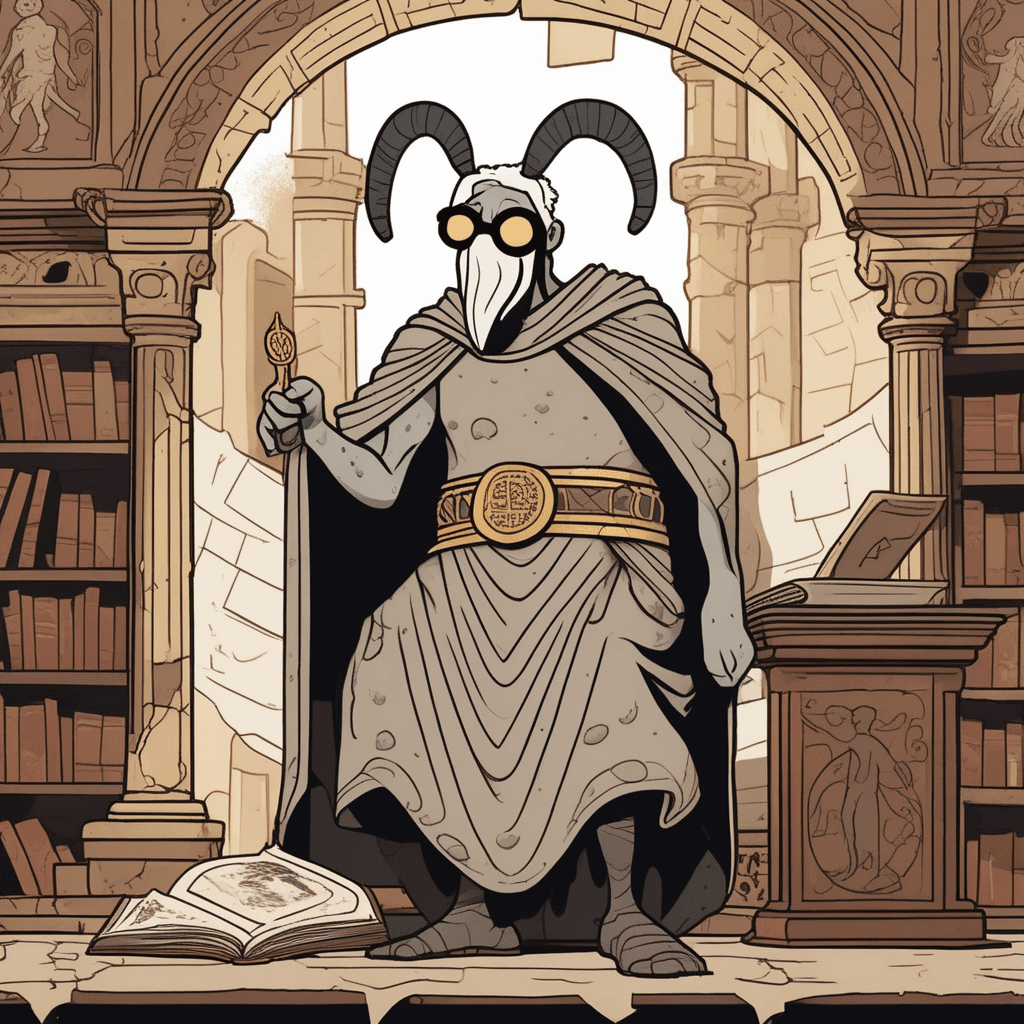
An tick witty about antiquity - ancient knowledge from tiny scholar!
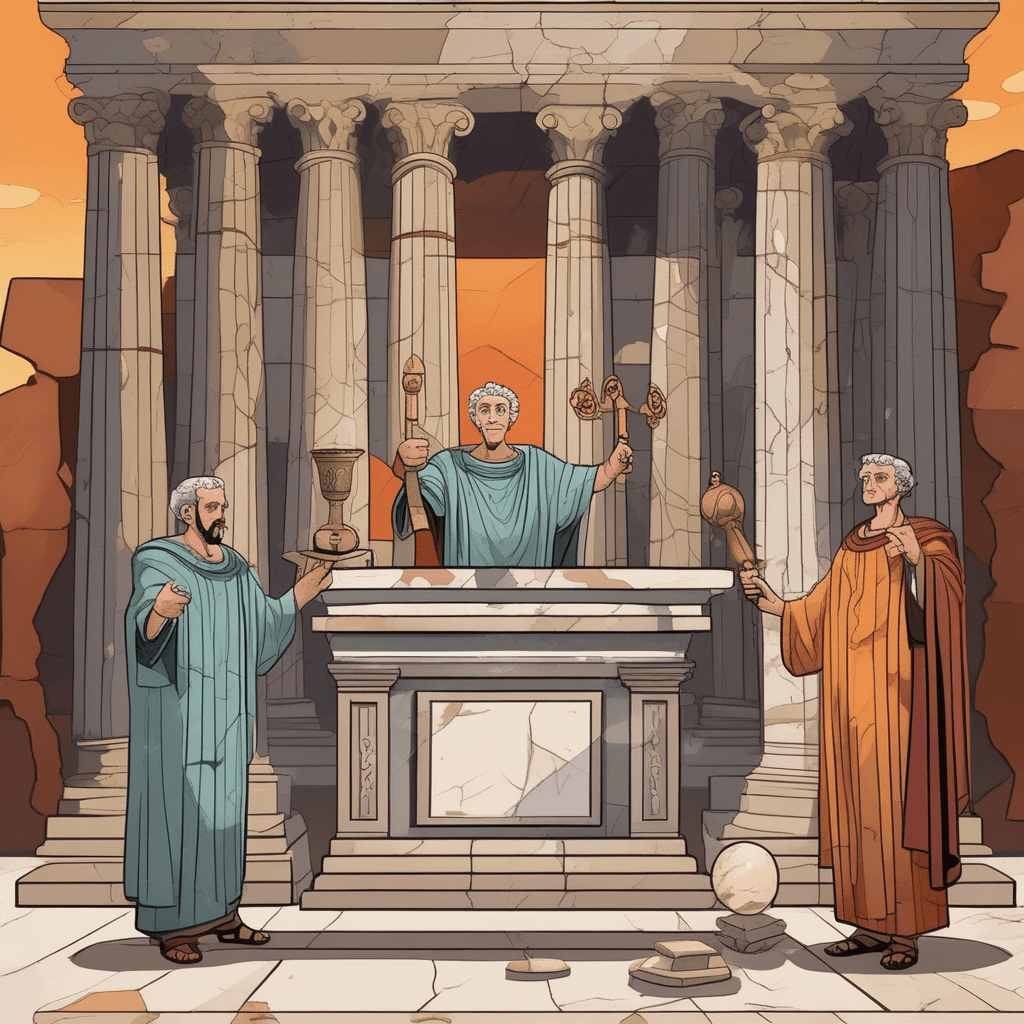
Antiquity held both equity and iniquity.
Got the picture? Now let's practice.
🎤Pronunciation
🌳Etymology
Origin
From Latin 'antiquitas', derived from 'antiquus' meaning 'ancient' or 'old'. The word entered English through Old French and has been used since the 14th century to refer to ancient times and artifacts.
Breakdown
anti- (before, ancient) + -qu- (Latin root) + -ity (noun suffix indicating quality or state) = antiquity
🎵Rhyme
🔗Collocations
📝Examples
“My grandmother's house feels like it's from antiquity - even her TV has knobs!”
“The professor spent his entire career studying the art of antiquity.”
“This recipe has been passed down from antiquity, which explains why it takes three days to cook.”
“Archaeologists discovered several antiquities in the newly excavated tomb.”
📚Related Words
Want to master 27,000+ words?
Sign up free for flashcards & quizzes.