in captivity — in a state of being confined or imprisoned; not free in the wild
Part of speech: NOUN
Definition: in a state of being confined or imprisoned; not free in the wild
Pronunciation (IPA): /ɪn kæpˈtɪvɪti/
Example Sentences
- The panda was so used to being fed in captivity that it forgot how to find bamboo.
- Scientists study animal behavior both in captivity and in the wild.
- The escaped prisoner joked that even McDonald's was better than eating in captivity.
in captivity
NOUN[/ɪn kæpˈtɪvɪti/]
in a state of being confined or imprisoned; not free in the wild
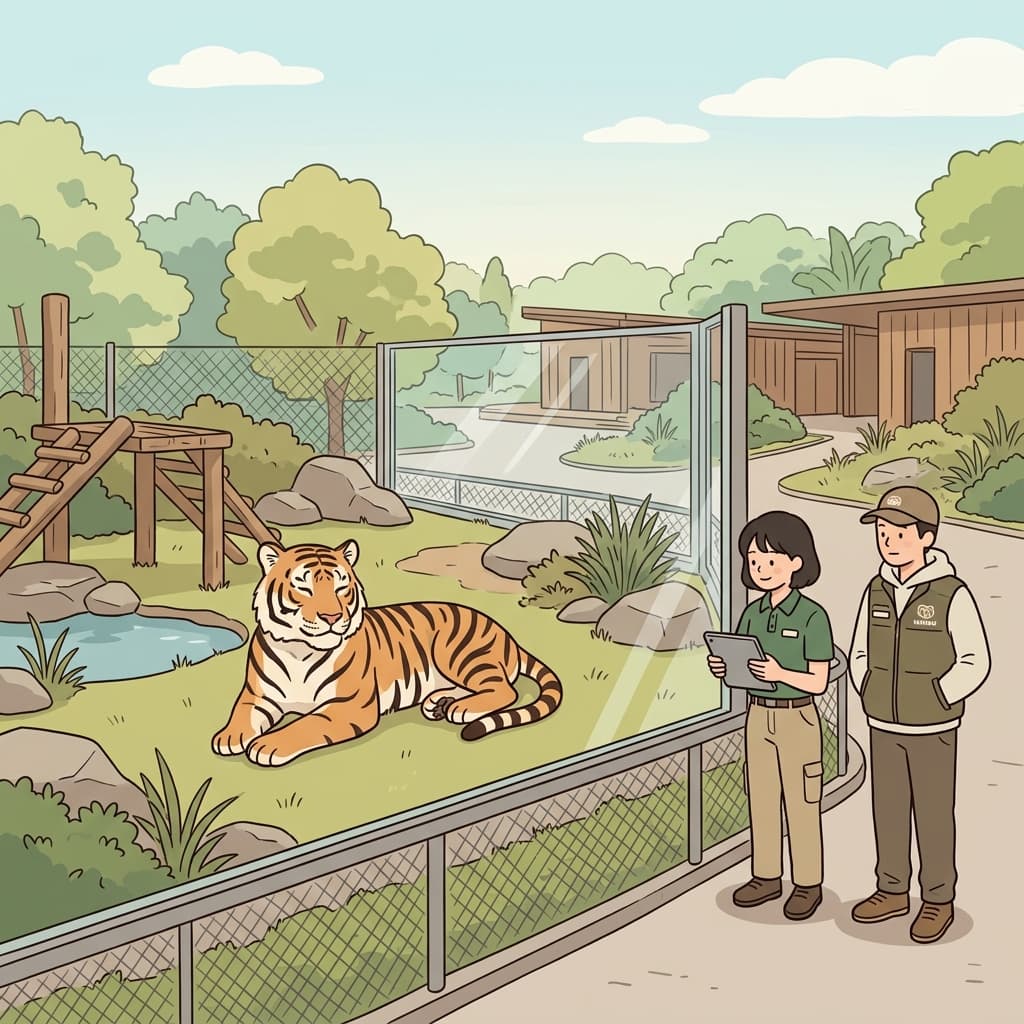
The tiger lived in captivity for many years before moving to a wildlife sanctuary.
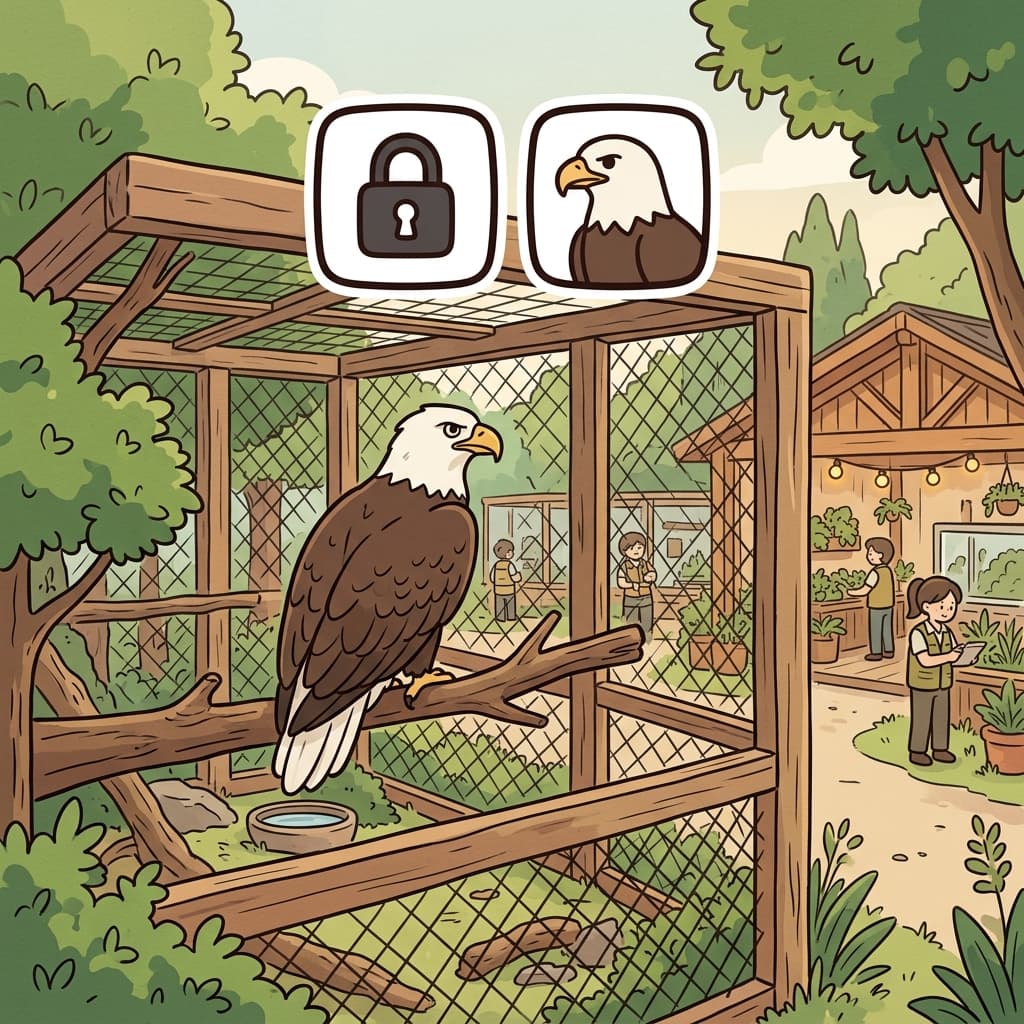
The eagle could not fly freely because it lived in captivity. (Cage + Animal → In captivity)

The lion lived in captivity, enjoyed daily activity, and finally found liberty in a wildlife reserve.
Got the picture? Now let's practice.
🎤Pronunciation
🌳Etymology
Origin
Captivity derives from Latin captivitas, formed from captivus meaning 'prisoner' or 'captive'. The term originated in ancient Rome to describe the state of war prisoners and has evolved to denote any condition of confinement, including animals held in zoos or humans imprisoned.
Breakdown
captiv- (from Latin captivus, meaning 'captive' or 'prisoner') + -ity (suffix forming abstract nouns denoting state or condition).
🎵Rhyme
🔗Collocations
📝Examples
“The panda was so used to being fed in captivity that it forgot how to find bamboo.”
“Scientists study animal behavior both in captivity and in the wild.”
“The escaped prisoner joked that even McDonald's was better than eating in captivity.”
“Many animals cannot survive in the wild after living in captivity for years.”
📚Related Words
Want to master 27,000+ words?
Sign up free for flashcards & quizzes.