folklore — the traditional beliefs, customs, and stories of a community, passed through the generations by word of mouth
Part of speech: NOUN
Definition: the traditional beliefs, customs, and stories of a community, passed through the generations by word of mouth
Pronunciation (IPA): /ˈfoʊklɔːr/
Example Sentences
- My grandmother's folklore about ghosts always made me afraid to go to the bathroom at night.
- According to folklore, eating too much garlic will keep vampires away but also your friends.
- The museum displays artifacts that represent the folklore of indigenous peoples.
folklore
NOUN[/ˈfoʊklɔːr/]
the traditional beliefs, customs, and stories of a community, passed through the generations by word of mouth

Village elders share folklore around the fire as children listen in wonder.
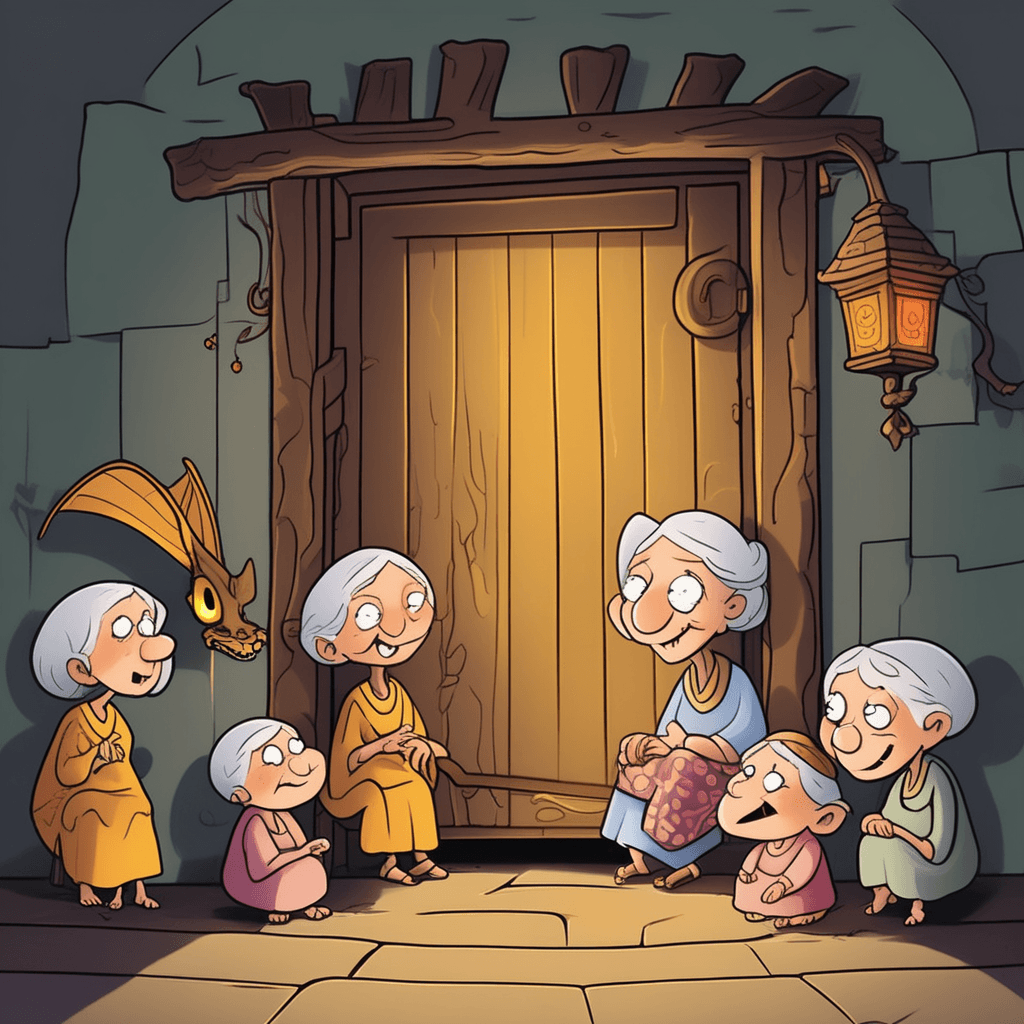
Behind every door lies folklore and more
Got the picture? Now let's practice.
🎤Pronunciation
🌳Etymology
Origin
Coined in 1846 by British archaeologist William Thoms as an English translation of the German term 'Volkskunde'. The word was created to establish folklore as a formal field of study dedicated to systematically examining the wisdom, customs, and traditions of common people.
Breakdown
folk (people, common folk) + lore (knowledge, learning, traditional wisdom). The compound merges Old English 'folc' (people) with 'lore' (from Old English 'lar', meaning instruction or tradition).
🎵Rhyme
🔗Collocations
📝Examples
“My grandmother's folklore about ghosts always made me afraid to go to the bathroom at night.”
“According to folklore, eating too much garlic will keep vampires away but also your friends.”
“The museum displays artifacts that represent the folklore of indigenous peoples.”
“Many Disney movies are based on European folklore and fairy tales.”
📚Related Words
Want to master 27,000+ words?
Sign up free for flashcards & quizzes.