recent — happening or beginning not long ago; belonging to a past period of time that is close to the present
Part of speech: ADJECTIVE
Definition: happening or beginning not long ago; belonging to a past period of time that is close to the present
Pronunciation (IPA): /ˈriːsnt/
Korean meaning: 최근의, 근래의
Korean pronunciation: 리-센트 (강세: 리)
Example Sentences
- My recent attempt at cooking ended with the fire department visiting.
- Recent research shows that chocolate is actually a vegetable.
- The recent changes in the curriculum have improved students' performance.
recent
ADJECTIVE//ˈriːsnt//
happening or beginning not long ago; belonging to a past period of time that is close to the present
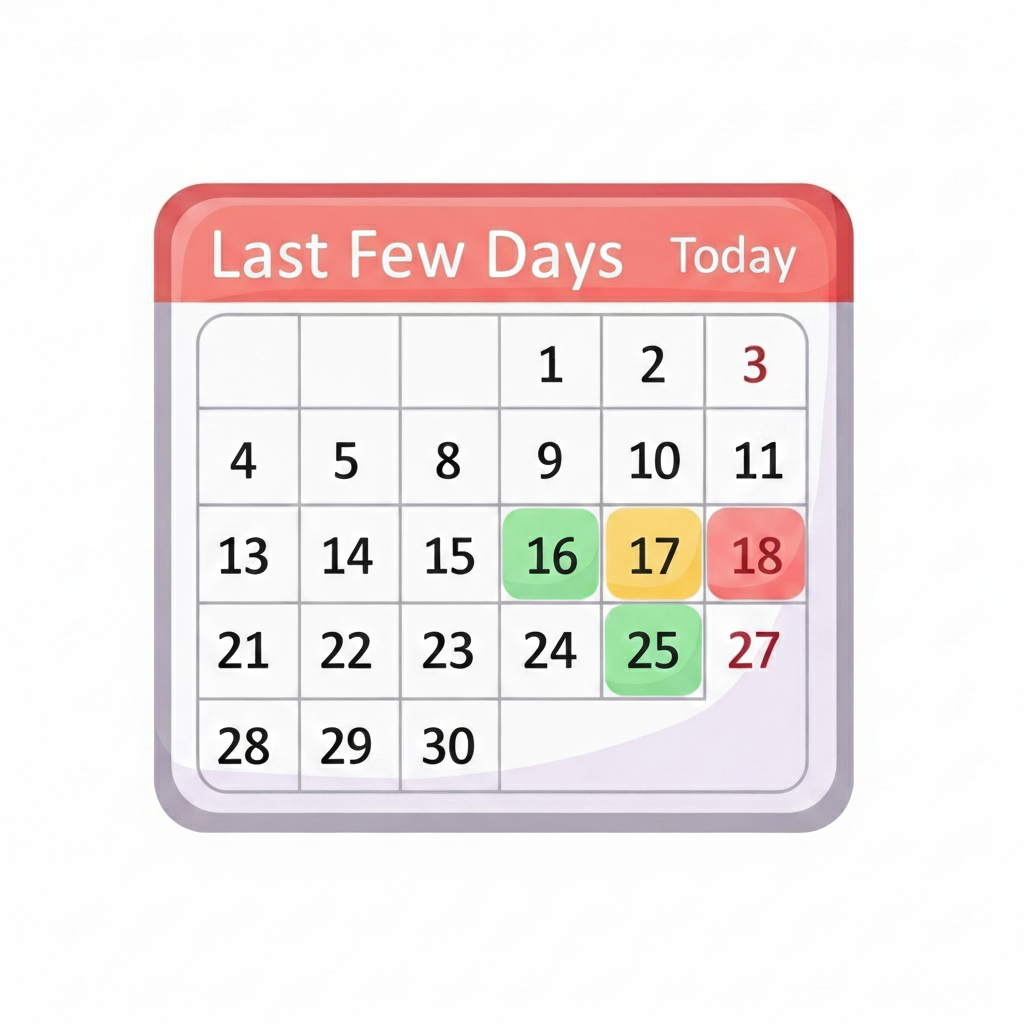
happening or beginning not long ago; belonging to a past period of time that is close to the present

Recent results show decent growth - ninety percent!
🎤Pronunciation
🌳Etymology
Origin
라틴어 'recens'에서 유래했으며, 원래 '신선한, 새로운'이라는 뜻이었습니다. 마치 갓 구운 빵처럼 '따끈따끈한' 새로움을 표현하는 단어였죠.
🎵Rhyme
🔗Collocations
📝Examples
“My recent attempt at cooking ended with the fire department visiting.”
“Recent research shows that chocolate is actually a vegetable.”
“The recent changes in the curriculum have improved students' performance.”
“She's a recent arrival to our town.”
📚Related Words
Synonyms
Antonyms
Related
Want to master 19,000+ words?
Sign up free for flashcards & quizzes.