quit — to stop doing something or leave a job permanently
Part of speech: VERB
Definition: to stop doing something or leave a job permanently
Pronunciation (IPA): /kwɪt/
Example Sentences
- My boss was so annoying that I quit faster than a cat running from a vacuum cleaner.
- He quit his diet on day one after seeing chocolate cake.
- I decided to quit procrastinating... starting tomorrow.
quit
VERB[/kwɪt/]
to stop doing something or leave a job permanently

After years of stress, he finally decided to quit his corporate job.
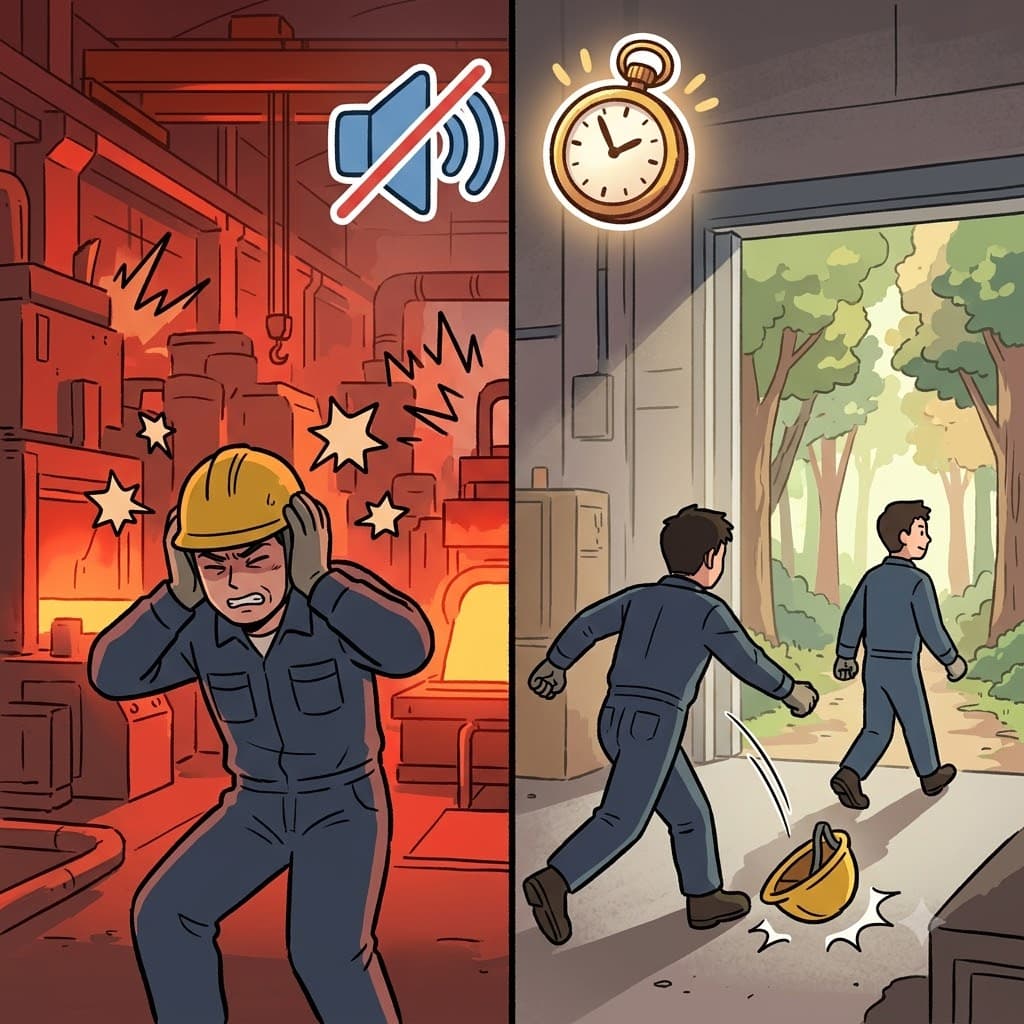
QUI(quiet) + T(time) — by actively taking a QUI(quiet) T(time) away from the noisy factory, the exhausted worker decided to quit.
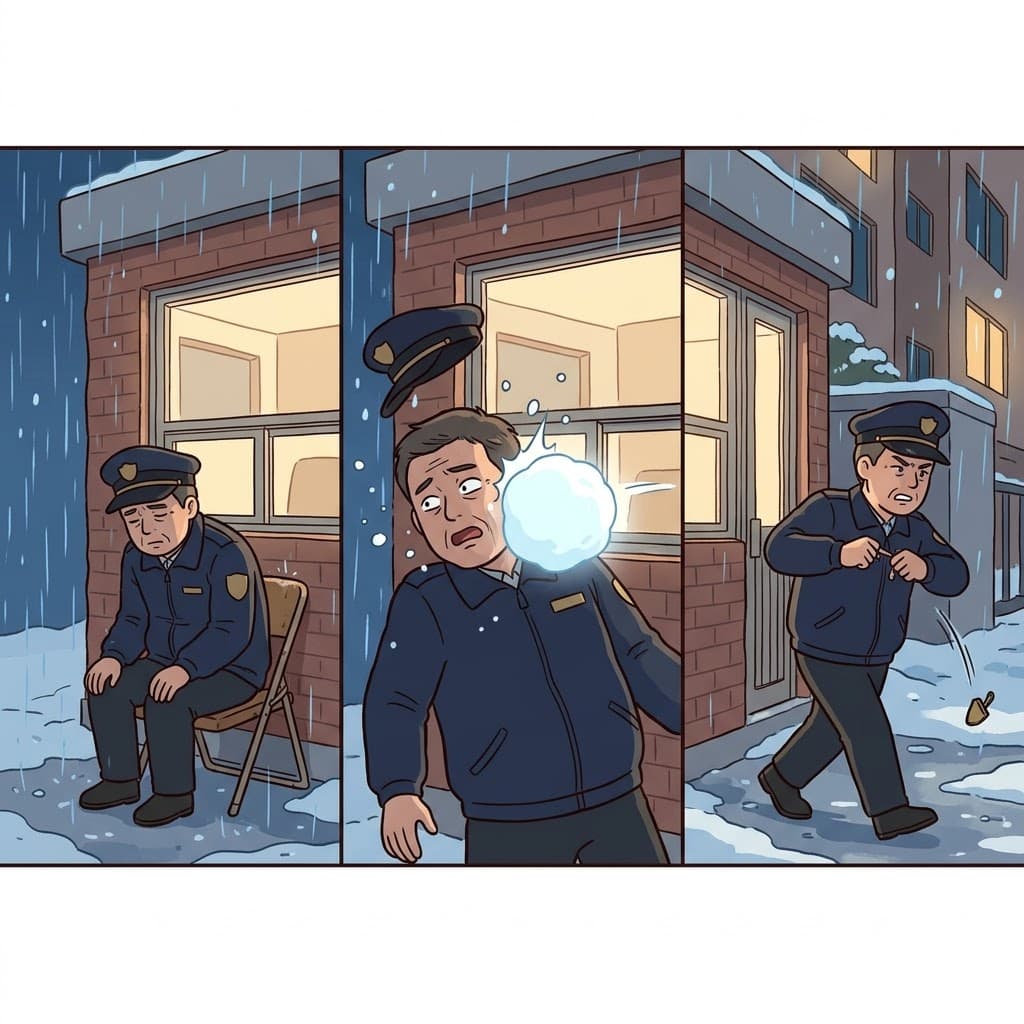
Forced to sit in the freezing rain and suddenly hit by a heavy snowball, the angry guard decided to immediately quit his job.
Got the picture? Now let's practice.
🎤Pronunciation
🌳Etymology
Origin
The word 'quit' derives from Medieval Latin 'quietus', originally meaning 'quiet' or 'peaceful'. Over time, the semantic sense evolved through Old French to mean 'to free oneself from' or 'to depart from', eventually developing into the modern English sense of 'to cease' or 'to leave'.
Breakdown
quietus (quiet, peaceful) → quit (to cease, to leave). The suffix -us was dropped in the transition from Latin to Old French and Middle English, leaving the root 'quit-' which came to denote the action of releasing or departing from a state.
🎵Rhyme
🔗Collocations
📝Examples
“My boss was so annoying that I quit faster than a cat running from a vacuum cleaner.”
“He quit his diet on day one after seeing chocolate cake.”
“I decided to quit procrastinating... starting tomorrow.”
“She quit her job to pursue her dream of becoming an artist.”
📚Related Words
Want to master 27,000+ words?
Sign up free for flashcards & quizzes.