ascribe to — to regard something as being caused by, belonging to, or originating from a particular source
Part of speech: VERB
Definition: to regard something as being caused by, belonging to, or originating from a particular source
Pronunciation (IPA): /əˈskraɪb tuː/
Example Sentences
- My cat always ascribes household disasters to the dog, even when she's the one who knocked over the vase.
- He ascribed his terrible exam score to bad luck, conveniently forgetting that he never opened a textbook.
- Many scientists ascribe recent climate change to human activity.
ascribe to
VERB[/əˈskraɪb tuː/]
to regard something as being caused by, belonging to, or originating from a particular source

Historians ascribe to Edison many inventions that his assistants actually built.
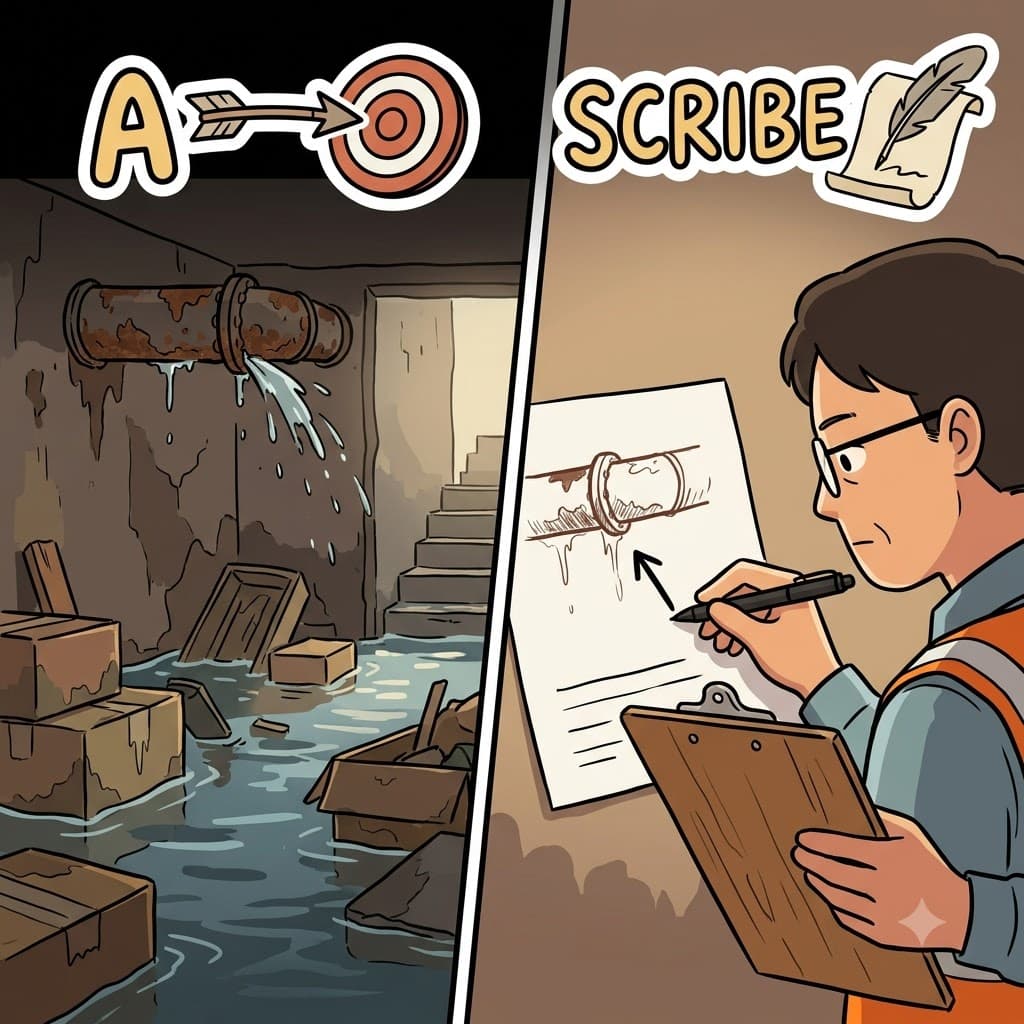
The inspector ascribed the flood to a broken pipe, recording the exact cause on his report.

After the doctor prescribed the pill, the patient described a rash, and the doctor ascribed it to a pollen allergy.
Got the picture? Now let's practice.
🎤Pronunciation
🌳Etymology
Origin
From Latin ascribere, formed from ad- (to, toward) + scribere (to write), literally meaning 'to write down as belonging to someone or something.'
Breakdown
a- (from ad-, meaning 'to/toward') + scribe (Latin scribere, 'to write')
🎵Rhyme
🔗Collocations
📝Examples
“My cat always ascribes household disasters to the dog, even when she's the one who knocked over the vase.”
“He ascribed his terrible exam score to bad luck, conveniently forgetting that he never opened a textbook.”
“Many scientists ascribe recent climate change to human activity.”
“Historians tend to ascribe the empire's collapse to economic failure rather than military defeat.”
“She jokingly ascribed her sudden weight gain to 'gravity getting stronger overnight.'”
📚Related Words
Want to master 27,000+ words?
Sign up free for flashcards & quizzes.