wear out — to become damaged, thin, or unusable through continuous use
Part of speech: NOUN
Definition: to become damaged, thin, or unusable through continuous use
Pronunciation (IPA): /wɛr aʊt/
Example Sentences
- My mom's cooking skills never wear out, but her patience with my dad's jokes certainly does.
- After running a marathon, I was completely worn out and couldn't even lift a finger.
- My phone battery wears out faster than my interest in social media trends.
wear out
NOUN[/wɛr aʊt/]
to become damaged, thin, or unusable through continuous use
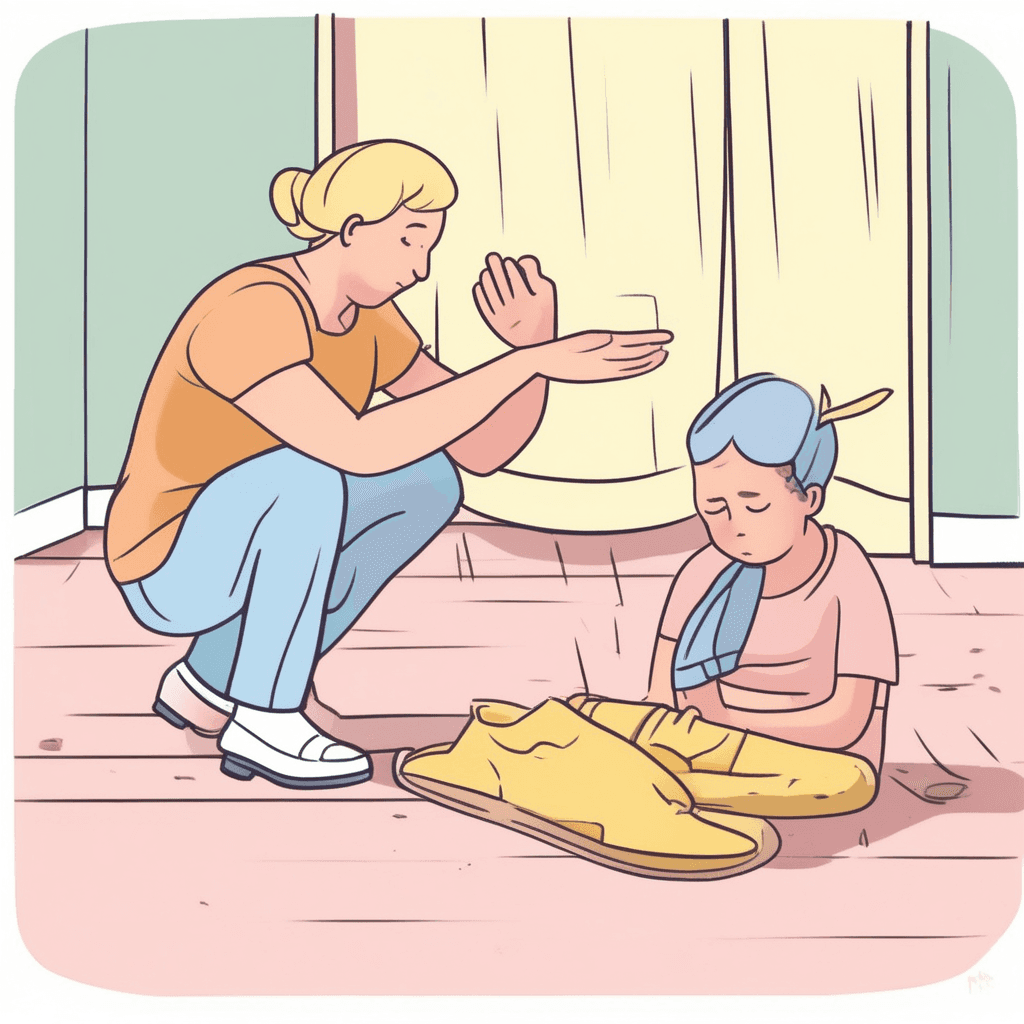
to become damaged, thin, or unusable through continuous use

When books wear out, we tear out pages and clear out the mess!
Got the picture? Now let's practice.
🎤Pronunciation
🌳Etymology
Origin
From Old English 'werian' meaning to wear or have on one's body, combined with the adverb 'out' from Old English 'ut'. The phrasal verb developed in Middle English to describe the process of exhausting or degrading something through continuous use.
Breakdown
wear (Old English werian: to have on, to use) + out (Old English ut: away, away from) = wear out (to exhaust or damage through use)
🎵Rhyme
🔗Collocations
📝Examples
“My mom's cooking skills never wear out, but her patience with my dad's jokes certainly does.”
“After running a marathon, I was completely worn out and couldn't even lift a finger.”
“My phone battery wears out faster than my interest in social media trends.”
“The carpet in the hallway has worn out from years of heavy foot traffic.”
📚Related Words
Want to master 27,000+ words?
Sign up free for flashcards & quizzes.