legislate — to make or enact laws
Part of speech: VERB
Definition: to make or enact laws
Pronunciation (IPA): /ˈledʒɪsleɪt/
Example Sentences
- Politicians love to legislate, but they hate doing their own taxes.
- The government decided to legislate stricter environmental protection measures.
- You can't legislate common sense, unfortunately.
legislate
VERB[/ˈledʒɪsleɪt/]
to make or enact laws
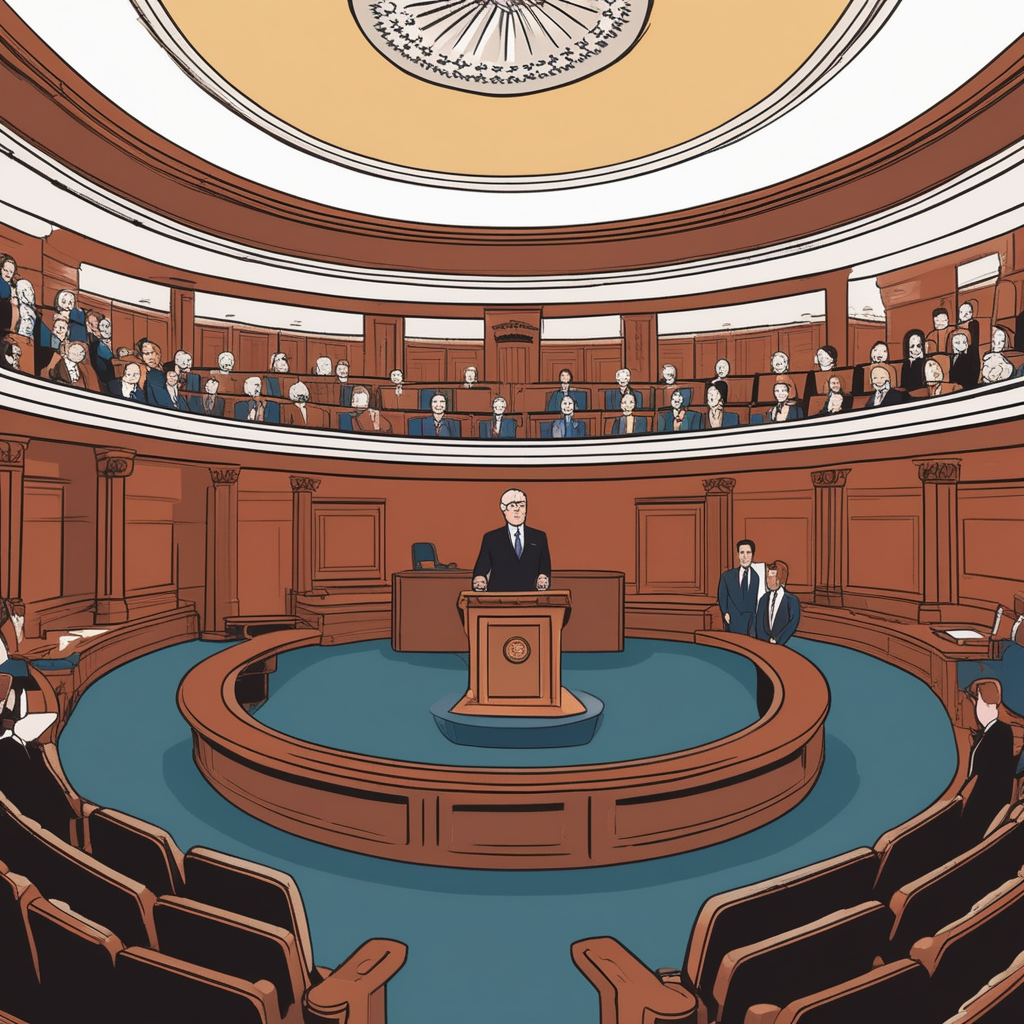
Lawmakers legislate by voting on new bills in the chamber
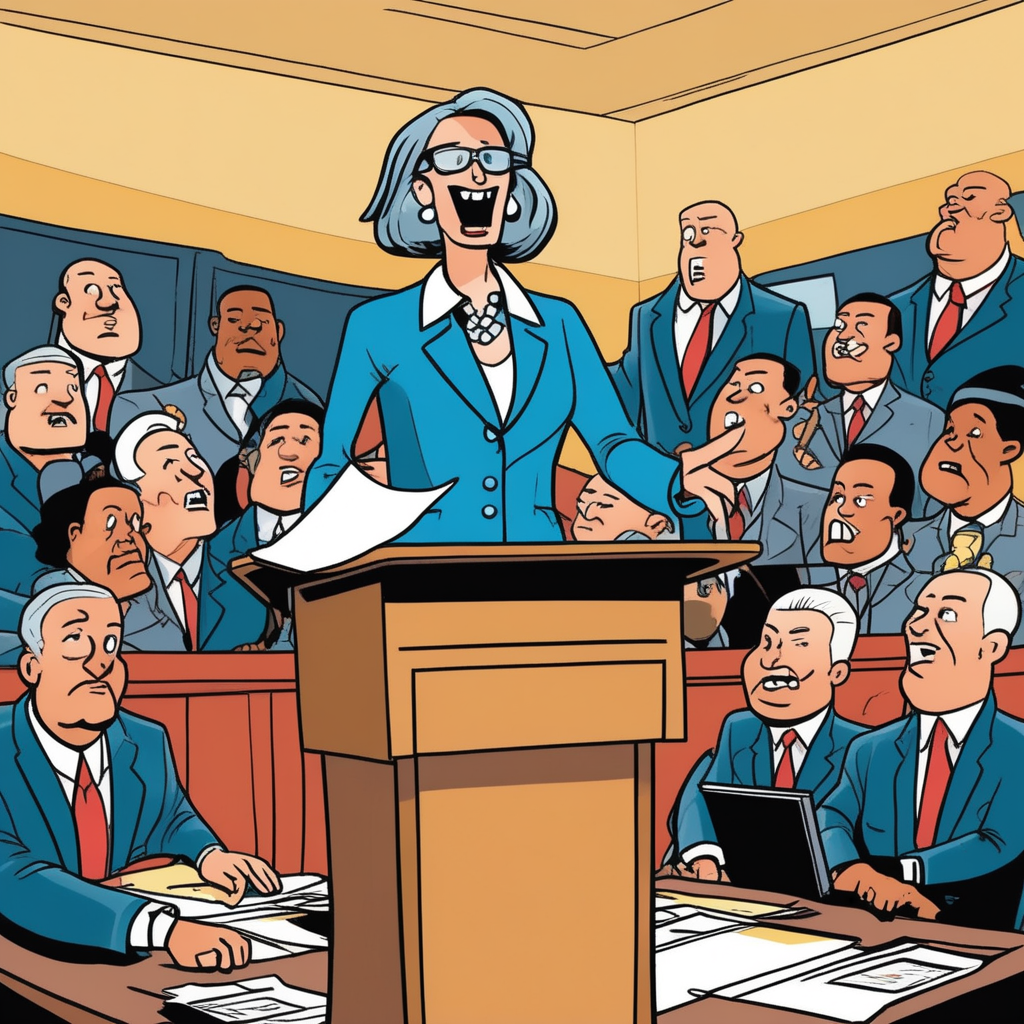
Legislate the rules, delegate the tasks, regulate the process!
Got the picture? Now let's practice.
🎤Pronunciation
🌳Etymology
Origin
Legislate derives from Latin, combining legis (law) and latus (carried, past participle of ferre, meaning to bear or carry). The word originated in ancient Rome, where the act of proposing laws was conceptualized as literally bearing or carrying legal statutes forward for presentation.
Breakdown
legis- (law, from Latin lex) + -late (carried/borne, from Latin latus, past participle of ferre, to carry). The suffix -ate forms the verb, creating the sense of 'to carry/bear laws' or 'to enact laws'.
🎵Rhyme
🔗Collocations
📝Examples
“Politicians love to legislate, but they hate doing their own taxes.”
“The government decided to legislate stricter environmental protection measures.”
“You can't legislate common sense, unfortunately.”
“The parliament will legislate new regulations for digital privacy next month.”
📚Related Words
Synonyms
Antonyms
Related
Want to master 19,000+ words?
Sign up free for flashcards & quizzes.