repulsive — extremely unpleasant and causing a feeling of disgust
Part of speech: ADJECTIVE
Definition: extremely unpleasant and causing a feeling of disgust
Pronunciation (IPA): /rɪˈpʌlsɪv/
Example Sentences
- His repulsive table manners made everyone lose their appetite.
- The zombie's repulsive appearance in the movie was so realistic that kids started crying.
- She found his arrogant attitude absolutely repulsive.
repulsive
ADJECTIVE[/rɪˈpʌlsɪv/]
extremely unpleasant and causing a feeling of disgust

extremely unpleasant and causing a feeling of disgust
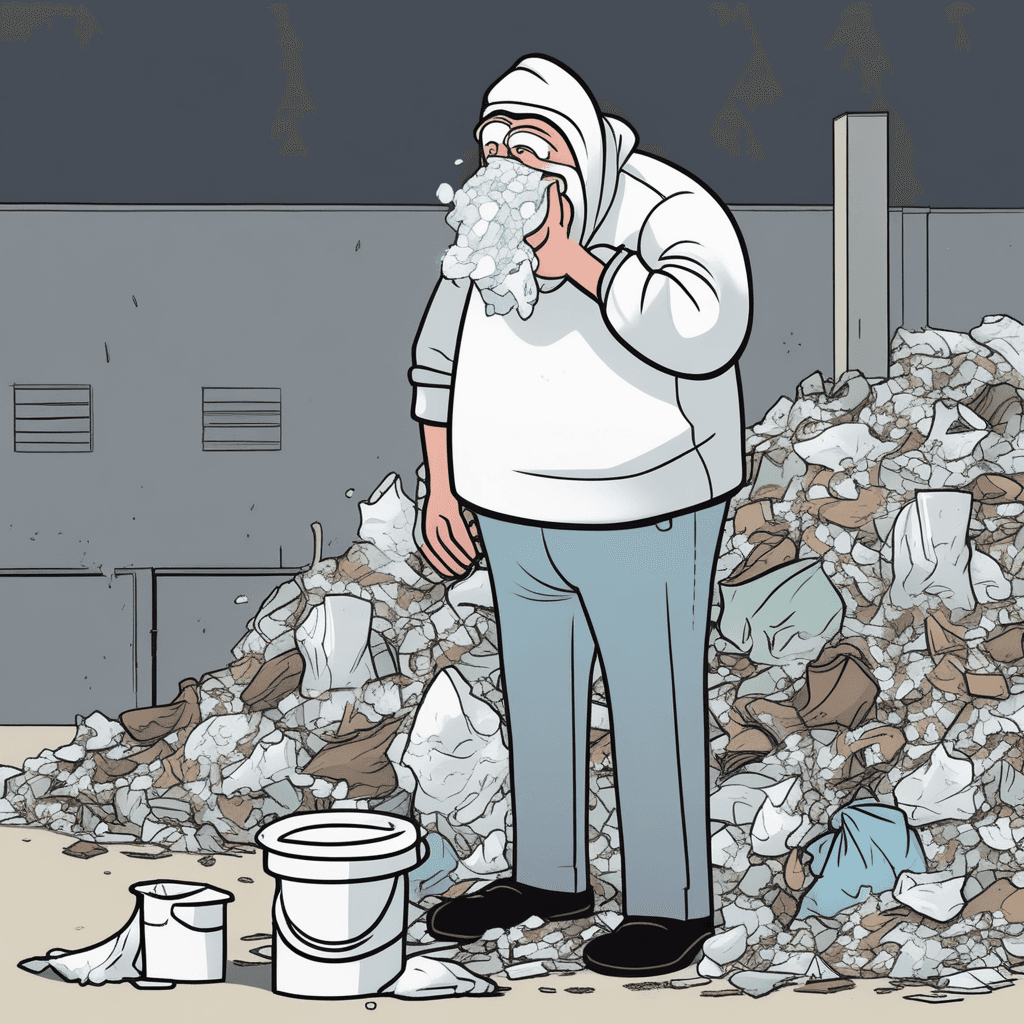
The repulsive smell triggers impulsive yet compulsive hesitation!
Got the picture? Now let's practice.
🎤Pronunciation
🌳Etymology
Origin
From Latin 'repellere' meaning 'to drive back' or 'to push away', combined with the suffix '-sive' (adjective-forming suffix meaning 'tending to'). The word entered English in the 17th century.
Breakdown
re- (back, again) + puls- (drive, push from Latin pellere) + -ive (tending to, adjective-forming suffix) = repulsive (tending to drive back or cause aversion)
🎵Rhyme
🔗Collocations
📝Examples
“His repulsive table manners made everyone lose their appetite.”
“The zombie's repulsive appearance in the movie was so realistic that kids started crying.”
“She found his arrogant attitude absolutely repulsive.”
“The repulsive force between the magnets was so strong that they flew apart.”
📚Related Words
Want to master 27,000+ words?
Sign up free for flashcards & quizzes.