equalize — to make things equal or the same in amount, level, or status
Part of speech: VERB
Definition: to make things equal or the same in amount, level, or status
Pronunciation (IPA): /ˈiːkwəlaɪz/
Example Sentences
- The referee's decision to equalize penalty kicks made both teams equally nervous.
- The new policy aims to equalize educational opportunities for all students.
- He managed to equalize his sleep schedule by drinking coffee at exactly the wrong times.
equalize
VERB[/ˈiːkwəlaɪz/]
to make things equal or the same in amount, level, or status
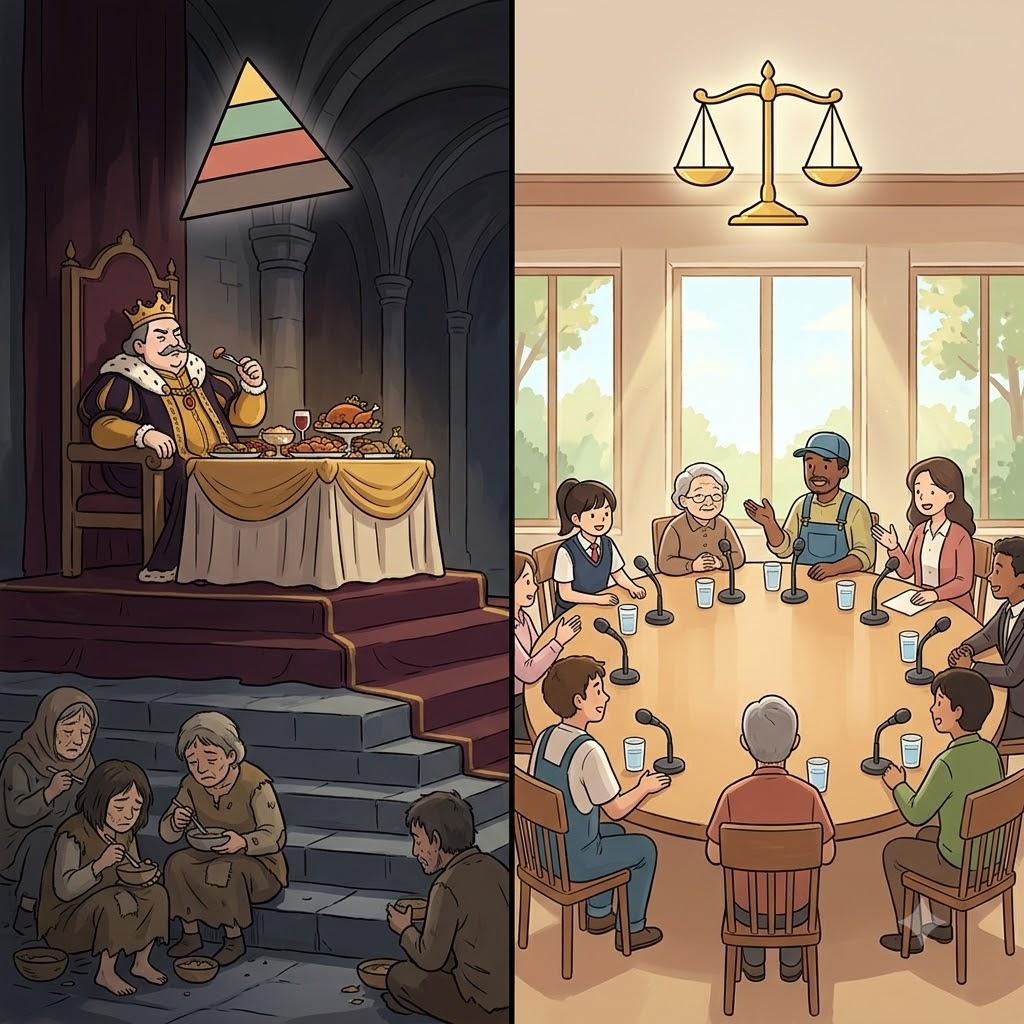
While the ancient banquet seated nobles on high golden thrones and left servants on the stone floor, the modern town council worked to equalize everyone's status by seating all citizens at the same level around a circular table.
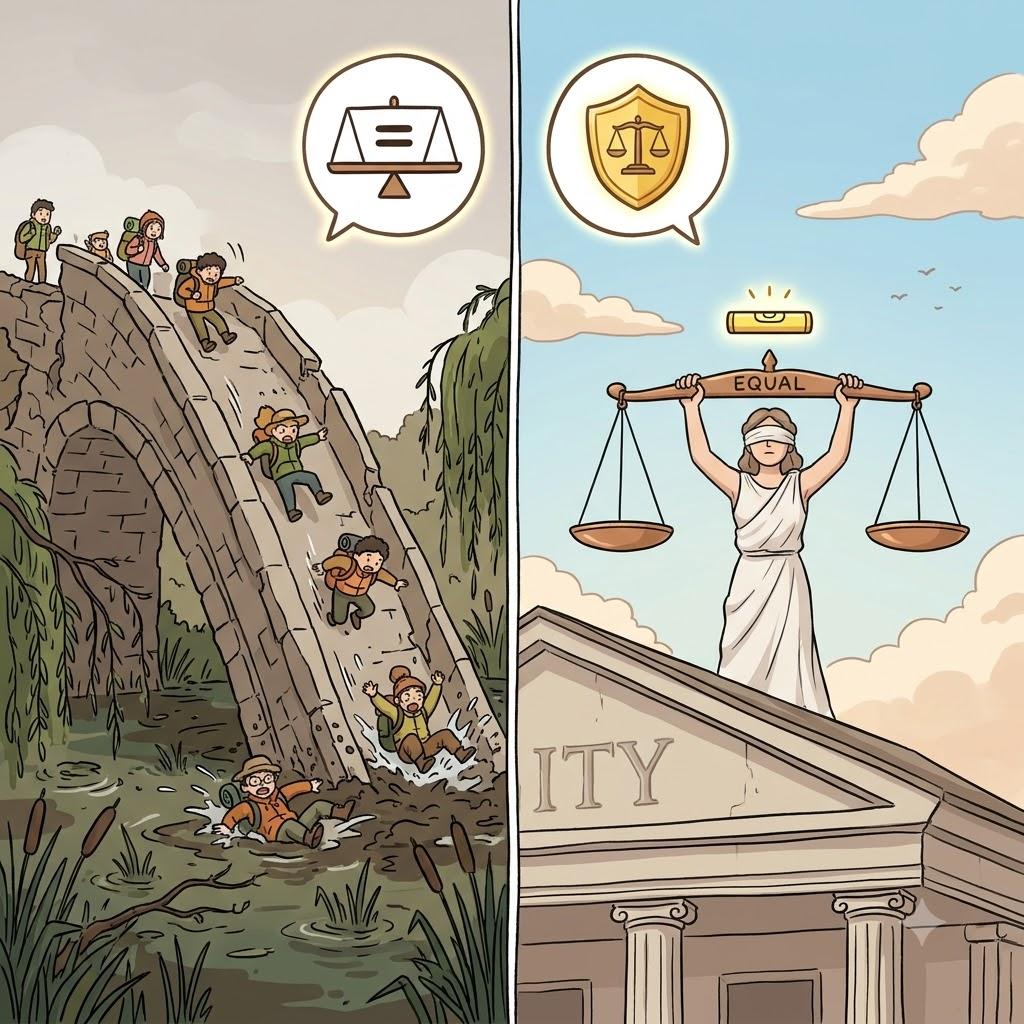
EQUAL (from Latin aequalis, meaning level or even, as in EQUALITY and EQUATION) + -IZE (to make or cause to become) — by adjusting both bronze pans to the same height, Lady Justice helped equalize the balance, symbolizing fairness under the law.
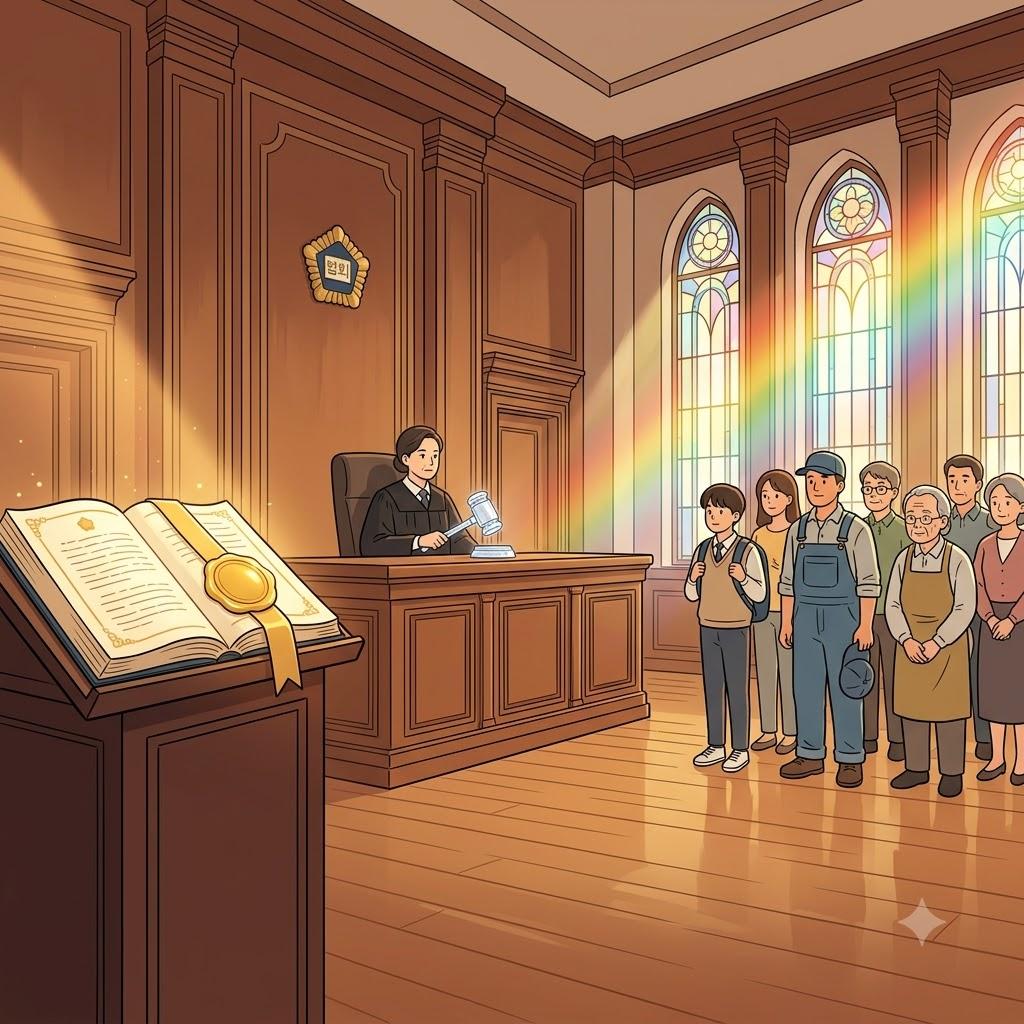
The high court worked to standardize legal procedures, equalize the treatment of every citizen, and harmonize judicial protections regardless of social background.
Got the picture? Now let's practice.
🎤Pronunciation
🌳Etymology
Origin
Derived from Latin 'aequalis' meaning 'equal' or 'the same'. The suffix '-ize' was added to form a verb, creating the meaning 'to make equal'.
Breakdown
equal (from Latin aequalis, meaning 'the same') + -ize (verbal suffix meaning 'to make' or 'to cause to be').
🎵Rhyme
🔗Collocations
📝Examples
“The referee's decision to equalize penalty kicks made both teams equally nervous.”
“The new policy aims to equalize educational opportunities for all students.”
“He managed to equalize his sleep schedule by drinking coffee at exactly the wrong times.”
“The company's effort to equalize salaries resulted in everyone being equally underpaid.”
📚Related Words
Want to master 17,000+ words?
Sign up free for flashcards & quizzes.