relax — to become less tense or anxious; to rest and become calm
Part of speech: VERB
Definition: to become less tense or anxious; to rest and become calm
Pronunciation (IPA): /rɪˈlæks/
Example Sentences
- My mom told me to relax, but how can I relax when my phone battery is at 1%?
- I like to relax by listening to music in my room.
- The teacher said she would relax the homework deadline because half the class got food poisoning from the cafeteria.
relax
VERB[/rɪˈlæks/]
to become less tense or anxious; to rest and become calm
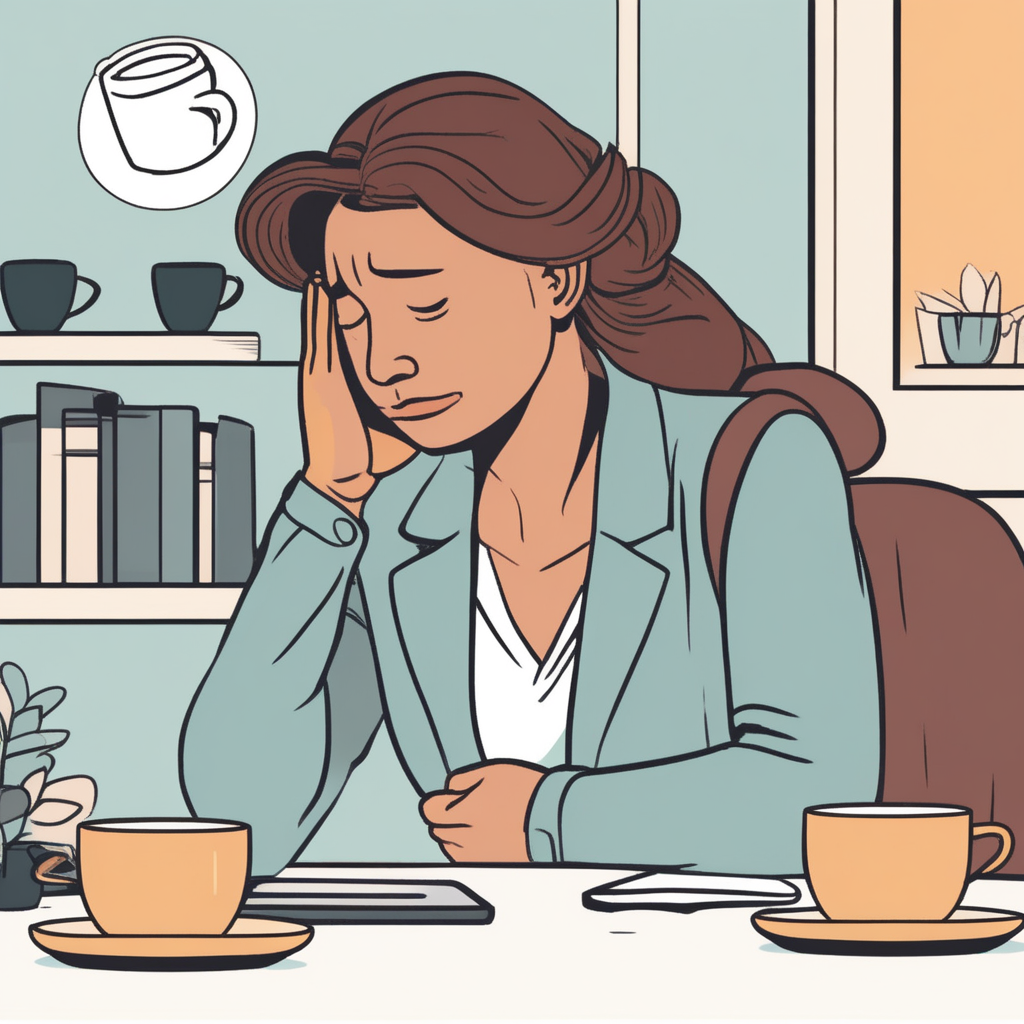
a tired office worker slowly sinks into a plush armchair after removing their work jacket. Their shoulders drop and their facial expression softens as they lean back into the cushions. The stress lines on their face fade away as they close their eyes and take a deep breath. Their body posture changes from rigid and tense to loose and comfortable. A family pet curls up peacefully beside the chair while soft lamp light creates a warm atmosphere. someone becoming less tense and anxious as they rest and become calm
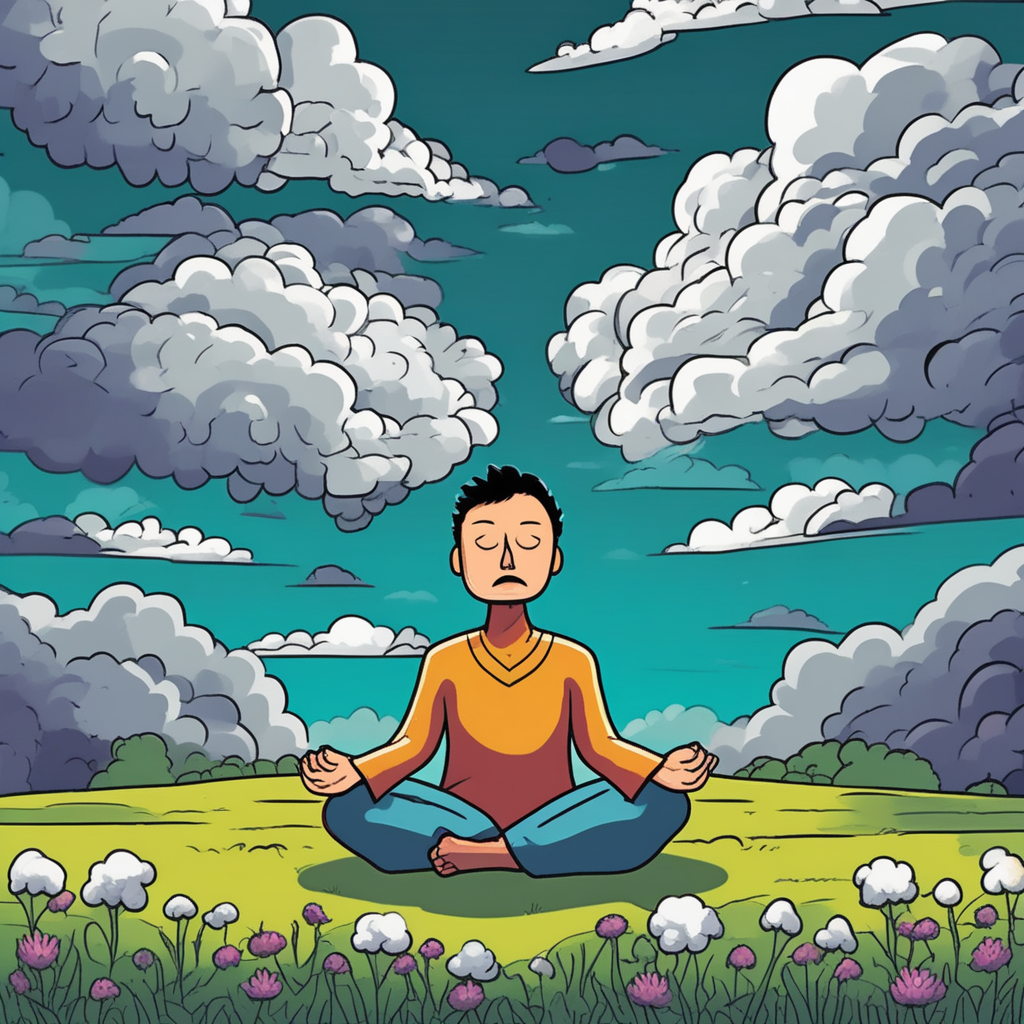
When stress attacks from our backs, just relax!
Got the picture? Now let's practice.
🎤Pronunciation
🌳Etymology
Origin
The word derives from Latin 'relaxare', a combination of 're-' (again) and 'laxare' (to loosen). Originally meaning 'to loosen again' or 'to slacken', it evolved to denote the relief of tension and the state of becoming calm or at ease.
Breakdown
re- (again) + laxare (to loosen, to slacken), where laxare is itself derived from laxus meaning loose or slack.
🎵Rhyme
🔗Collocations
📝Examples
“My mom told me to relax, but how can I relax when my phone battery is at 1%?”
“I like to relax by listening to music in my room.”
“The teacher said she would relax the homework deadline because half the class got food poisoning from the cafeteria.”
“You should relax before the important interview.”
📚Related Words
Synonyms
Antonyms
Related
Want to master 19,000+ words?
Sign up free for flashcards & quizzes.