sigh — to breathe out slowly and noisily, expressing tiredness, sadness, or relief
Part of speech: VERB
Definition: to breathe out slowly and noisily, expressing tiredness, sadness, or relief
Pronunciation (IPA): /saɪ/
Example Sentences
- The teacher sighed when she realized she had to grade 100 papers over the weekend.
- Mom's sigh was so loud that even the neighbors could hear her frustration with my messy room.
- After three hours of studying math, I sighed and decided ice cream was more important.
sigh
VERB[/saɪ/]
to breathe out slowly and noisily, expressing tiredness, sadness, or relief

She sighed after realizing she had forgotten her homework at home.
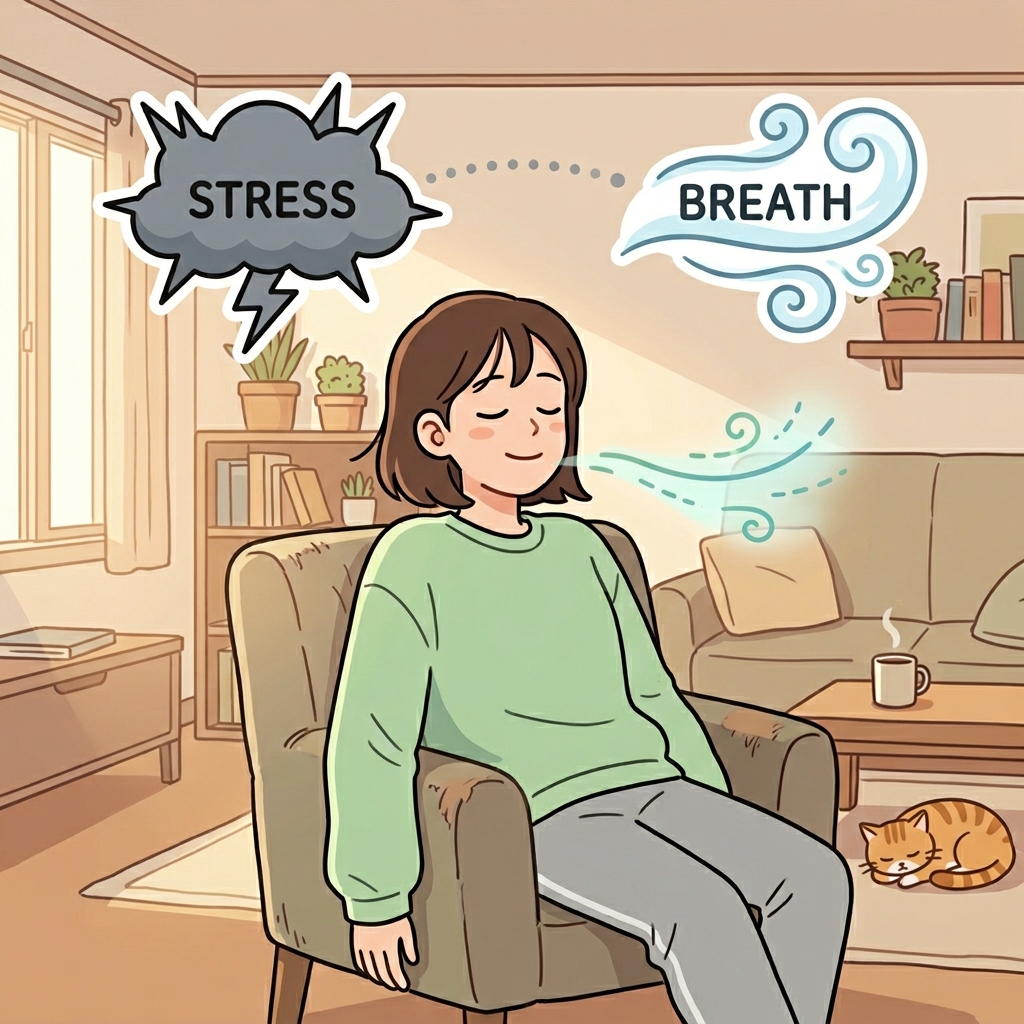
She sighed with relief after hearing the good news.
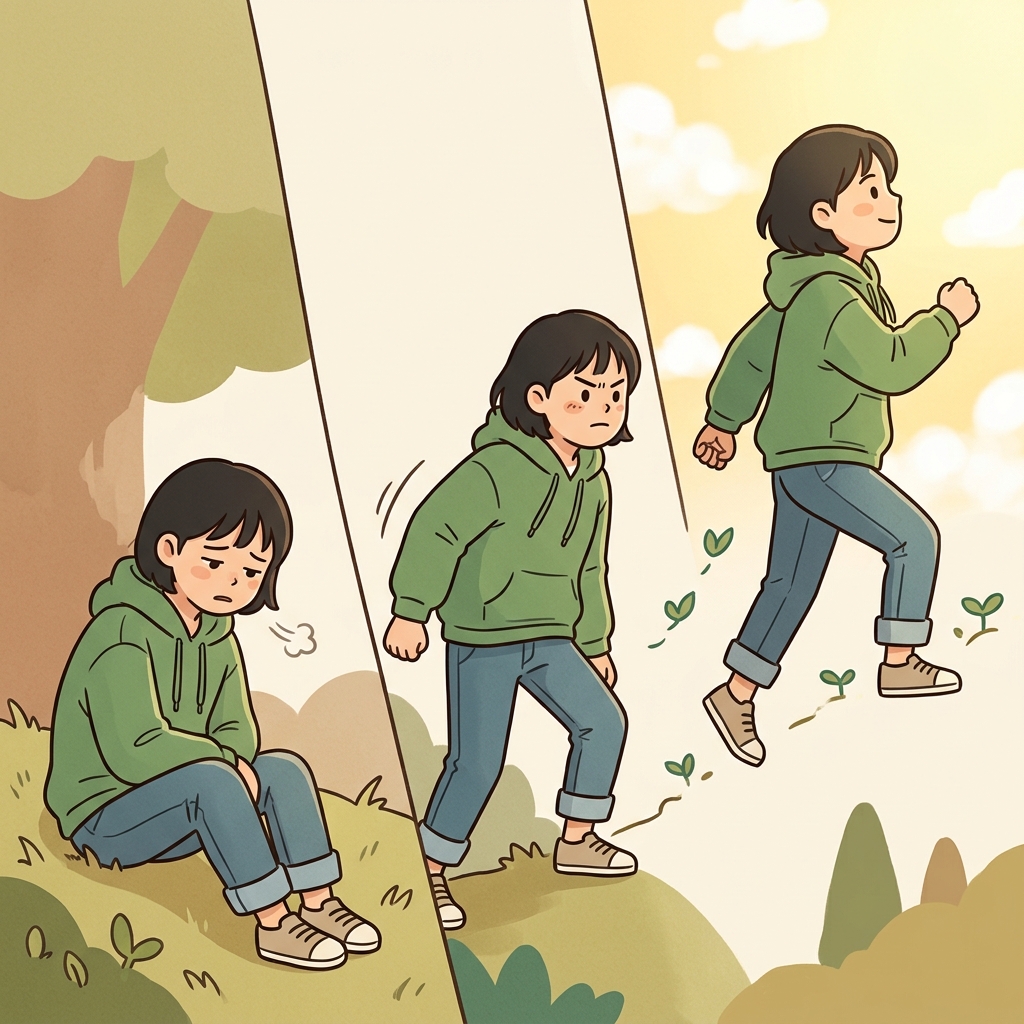
After a sigh, she decided to try again and eventually fly toward success.
Got the picture? Now let's practice.
🎤Pronunciation
🌳Etymology
Origin
The word descends from Middle English 'sighen', which evolved from Old English 'sīcan', meaning 'to breathe deeply' or 'to sigh'. This ancient verb reflects a fundamental human expression of emotion through breath.
Breakdown
The word's development traces from Old English sīcan (to breathe deeply) → Middle English sighen → Modern English sigh, with the final 'n' ending stripped in Early Modern English.
🎵Rhyme
🔗Collocations
📝Examples
“The teacher sighed when she realized she had to grade 100 papers over the weekend.”
“Mom's sigh was so loud that even the neighbors could hear her frustration with my messy room.”
“After three hours of studying math, I sighed and decided ice cream was more important.”
“She sighed contentedly as she watched the sunset.”
📚Related Words
Synonyms
Antonyms
Related
Want to master 19,000+ words?
Sign up free for flashcards & quizzes.