scamp — a mischievous person, especially a child who behaves badly but in a likeable way
Part of speech: NOUN
Definition: a mischievous person, especially a child who behaves badly but in a likeable way
Pronunciation (IPA): /skæmp/
Example Sentences
- My grandson is such a scamp - he hid my reading glasses in the cookie jar!
- The teacher couldn't help but smile at the little scamp who drew funny faces on his test paper.
- Don't be angry with him - he's just a playful scamp who means no harm.
scamp
NOUN[/skæmp/]
a mischievous person, especially a child who behaves badly but in a likeable way
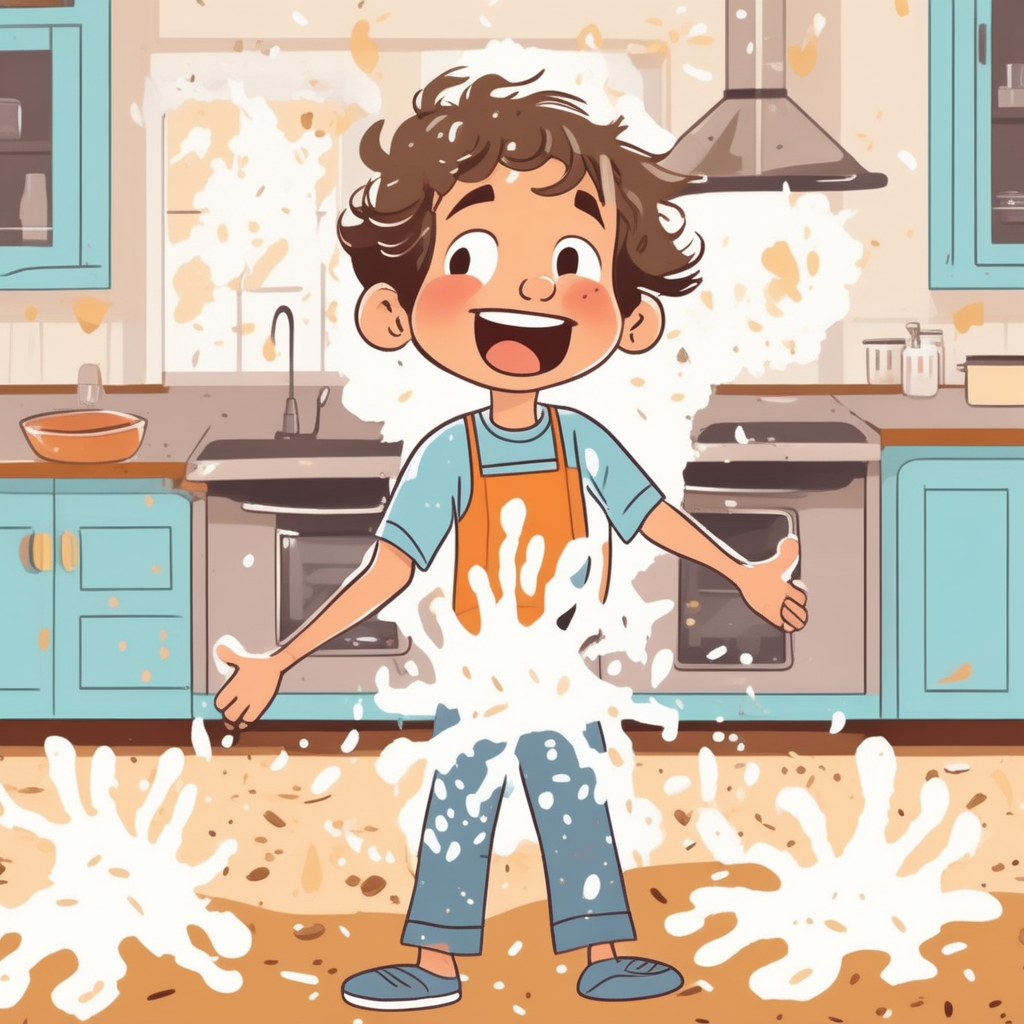
Lovable little troublemaker causing mischief
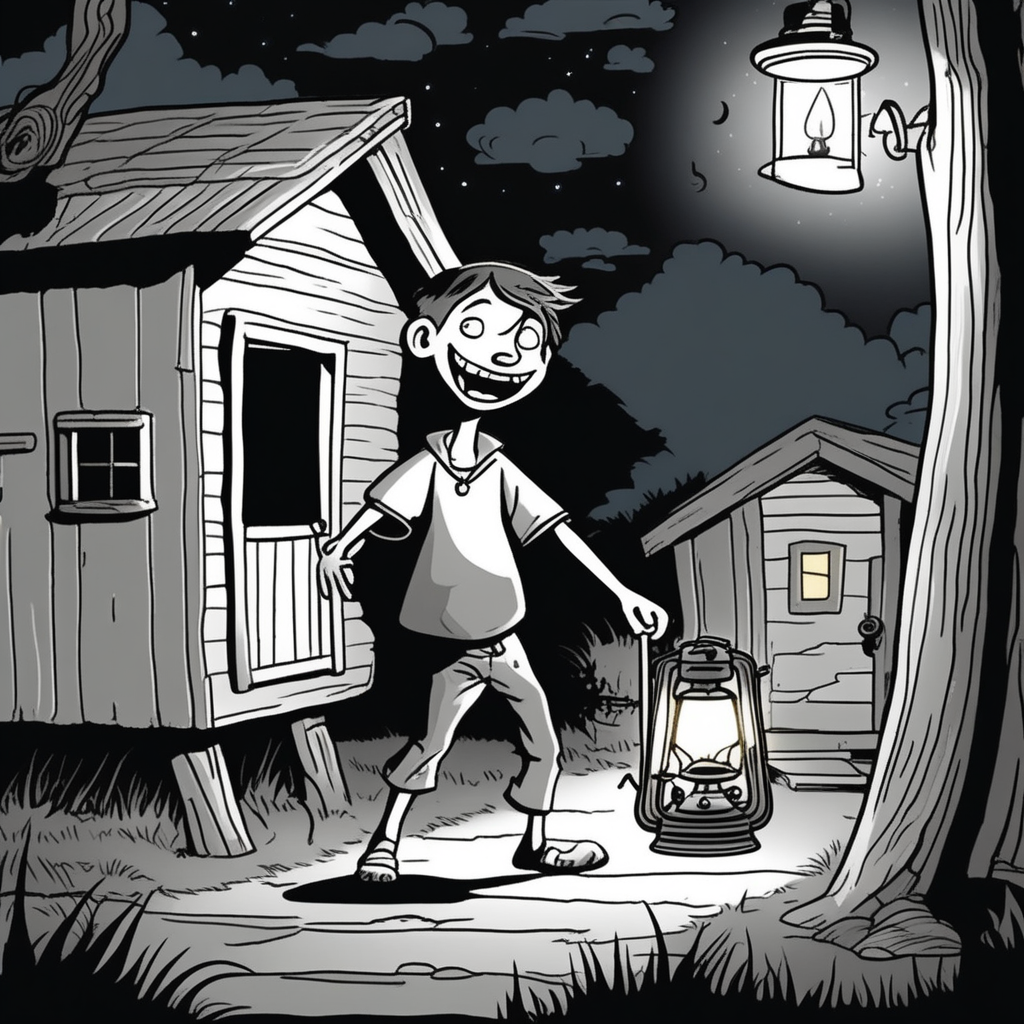
The little scamp sneaks through camp with his lamp!
Got the picture? Now let's practice.
🎤Pronunciation
🌳Etymology
Origin
The word scamp derives from 16th-century French 'escamper', meaning 'to run away' or 'to flee'. Originally denoting a person who roamed or loitered on the streets, the term gradually evolved to acquire an affectionate connotation, coming to mean 'a mischievous or impudent person', particularly a playful rogue or prankster.
Breakdown
Escamper (to run away) → scamp. The French verb 'escamper' was nominalized and semantically shifted from its literal sense of fleeing to a figurative description of a person exhibiting rascally behavior, eventually acquiring a more endearing tone in English usage.
🎵Rhyme
🔗Collocations
📝Examples
“My grandson is such a scamp - he hid my reading glasses in the cookie jar!”
“The teacher couldn't help but smile at the little scamp who drew funny faces on his test paper.”
“Don't be angry with him - he's just a playful scamp who means no harm.”
“The neighborhood scamp somehow convinced everyone to have ice cream for breakfast.”
📚Related Words
Synonyms
Antonyms
Related
Want to master 19,000+ words?
Sign up free for flashcards & quizzes.