greed — an intense and selfish desire for something, especially wealth, power, or food
Part of speech: NOUN
Definition: an intense and selfish desire for something, especially wealth, power, or food
Pronunciation (IPA): /ɡriːd/
Example Sentences
- The dragon's greed for gold was legendary among villagers.
- My greed at the buffet resulted in a very uncomfortable food coma.
- The CEO's greed ultimately led to the company's downfall.
greed
NOUN[/ɡriːd/]
an intense and selfish desire for something, especially wealth, power, or food

His greed made him grab every gold coin, even as the chest overflowed.

Greed made the merchant keep every gold coin for himself. (💰 More Money + 🙅 Never Share → Greed)
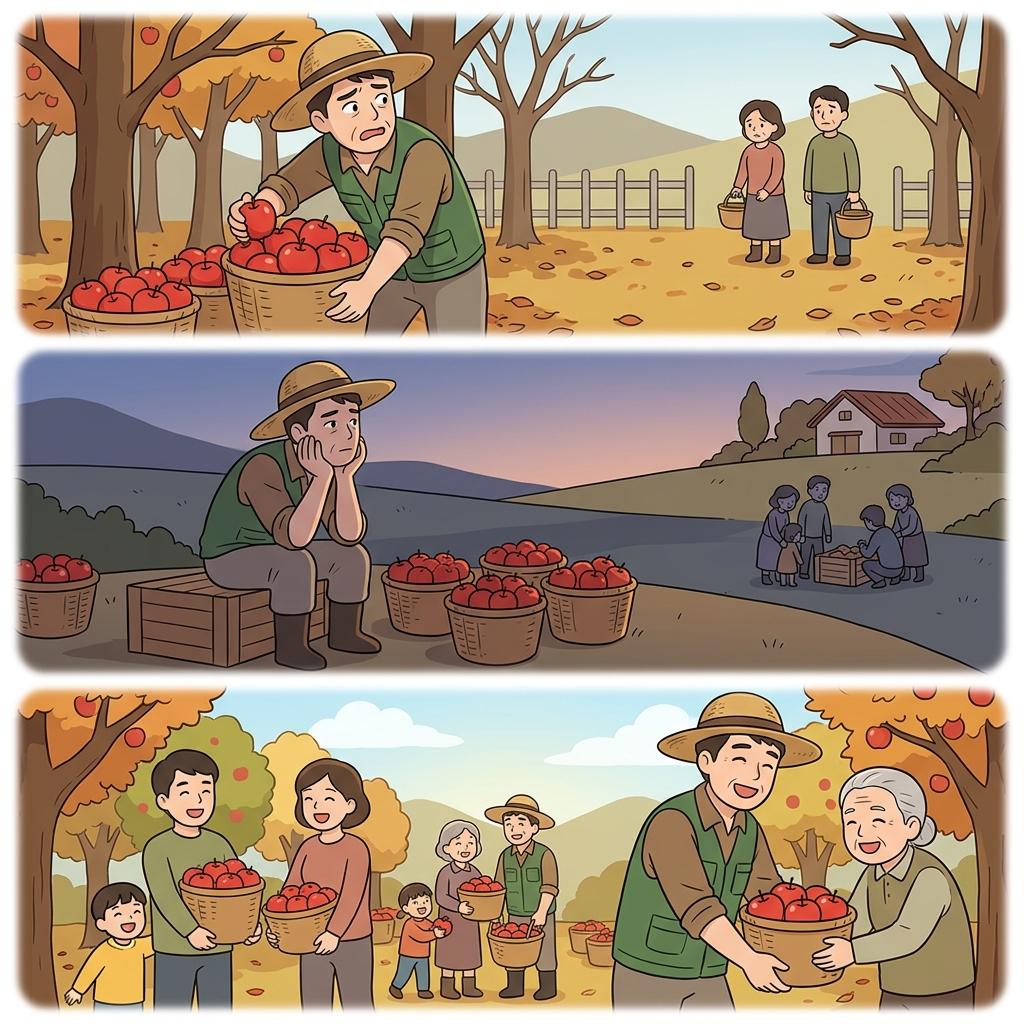
Greed made him take more than he needed, but sharing helped everyone succeed.
Got the picture? Now let's practice.
🎤Pronunciation
🌳Etymology
Origin
Greed derives from Proto-Germanic *grēdiz, meaning 'hunger' or 'desire'. The word originally denoted a simple appetite or craving, but evolved over time to encompass excessive and selfish avarice, acquiring distinctly negative moral connotations.
Breakdown
Proto-Germanic *grēdiz (hunger, desire) + -y (noun-forming suffix). The root expresses the concept of intense wanting or yearning that intensified into the vice of insatiable covetousness.
🎵Rhyme
🔗Collocations
📝Examples
“The dragon's greed for gold was legendary among villagers.”
“My greed at the buffet resulted in a very uncomfortable food coma.”
“The CEO's greed ultimately led to the company's downfall.”
“Her greed for likes on social media made her post 50 selfies a day.”
📚Related Words
Want to master 17,000+ words?
Sign up free for flashcards & quizzes.