radiocarbon — A radioactive isotope of carbon (carbon-14) used in radiocarbon dating to determine the age of organic materials
Part of speech: NOUN
Definition: A radioactive isotope of carbon (carbon-14) used in radiocarbon dating to determine the age of organic materials
Pronunciation (IPA): /ˌreɪdioʊˈkɑːrbən/
Example Sentences
- The archaeologist was thrilled when radiocarbon tests revealed the wooden spear was actually from the Stone Age, not a movie prop as suspected.
- Radiocarbon dating has revolutionized our understanding of prehistoric human civilization.
- The museum had to apologize when radiocarbon analysis proved their 'ancient Egyptian artifact' was made last Tuesday.
radiocarbon
NOUN[/ˌreɪdioʊˈkɑːrbən/]
A radioactive isotope of carbon (carbon-14) used in radiocarbon dating to determine the age of organic materials
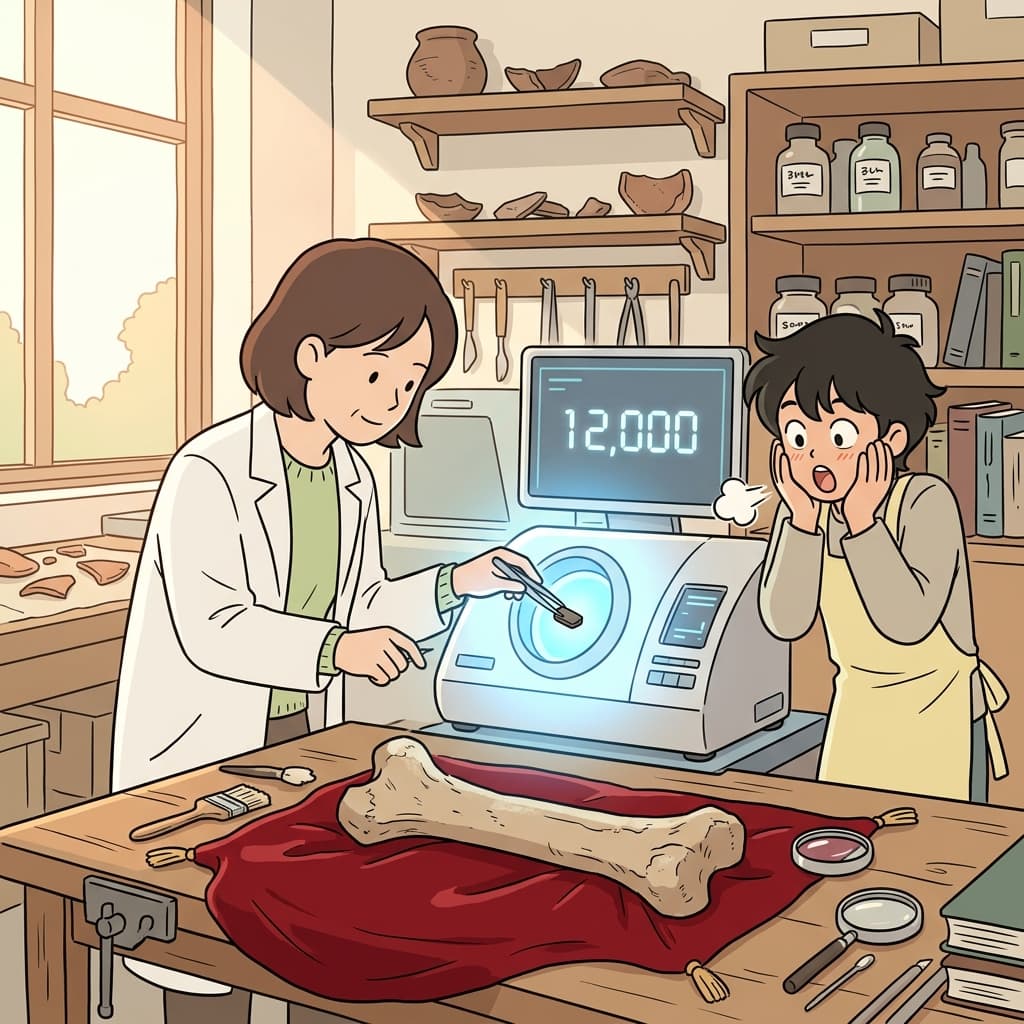
Scientists use radiocarbon dating to reveal the ancient bone is 12,000 years old.
Got the picture? Now let's practice.
🎤Pronunciation
🌳Etymology
Origin
Radiocarbon is a compound term coined in the 1940s following the discovery of radioactive carbon isotopes. It combines radio- (from Latin radius, meaning 'ray' or 'radiation') with carbon (from Latin carbo, meaning 'charcoal' or 'coal'), forming a scientific term to describe the radioactive isotope Carbon-14 used in dating organic materials.
Breakdown
radio- (radiation, from Latin radius meaning ray) + carbon (element, from Latin carbo meaning charcoal). The prefix denotes the radioactive nature of the carbon isotope being referenced.
🎵Rhyme
🔗Collocations
📝Examples
“The archaeologist was thrilled when radiocarbon tests revealed the wooden spear was actually from the Stone Age, not a movie prop as suspected.”
“Radiocarbon dating has revolutionized our understanding of prehistoric human civilization.”
“The museum had to apologize when radiocarbon analysis proved their 'ancient Egyptian artifact' was made last Tuesday.”
📚Related Words
Want to master 27,000+ words?
Sign up free for flashcards & quizzes.