vituperation — bitter and abusive language or harsh criticism
Part of speech: NOUN
Definition: bitter and abusive language or harsh criticism
Pronunciation (IPA): /vɪˌtuːpəˈreɪʃən/
Example Sentences
- The food critic's vituperation was so harsh that the restaurant chef quit the next day.
- Social media has become a platform for vituperation rather than constructive debate.
- The teacher was shocked by the vituperation in the student's essay about homework.
vituperation
NOUN[/vɪˌtuːpəˈreɪʃən/]
bitter and abusive language or harsh criticism

The senator faced harsh vituperation from the crowd after breaking his promise.

VITUPERATE (to condemn or criticize harshly) + -ATION (the act or process of doing something) — the foreman's vituperation of the apprentice began when he spotted a tiny mistake and turned it into an excuse for a furious verbal attack. (VITU (from vitium, a fault or flaw) + PER (from parare, to prepare))
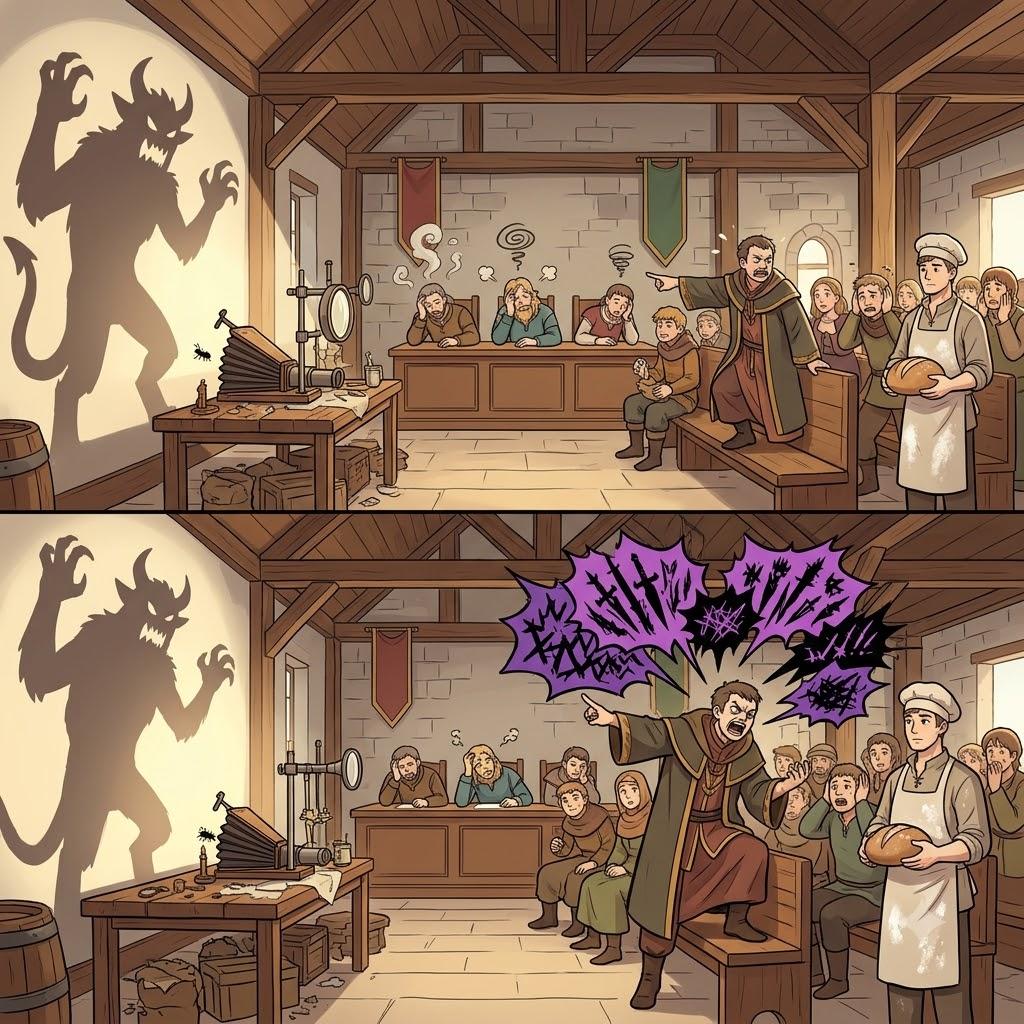
His exaggeration of every minor mistake caused widespread exasperation among the town council, but his public vituperation of the honest baker finally silenced the entire hall.
Got the picture? Now let's practice.
🎤Pronunciation
🌳Etymology
Origin
From Latin vituperatio, derived from vituperare meaning 'to blame or find fault.' This was a rhetorical term used by ancient Roman orators when harshly criticizing their opponents.
Breakdown
viti- (fault/defect) + -per- (through/thoroughly) + -ation (noun suffix meaning 'act of')
🎵Rhyme
🔗Collocations
📝Examples
“The food critic's vituperation was so harsh that the restaurant chef quit the next day.”
“Social media has become a platform for vituperation rather than constructive debate.”
“The teacher was shocked by the vituperation in the student's essay about homework.”
“Despite the vituperation from critics, the artist continued to create controversial works.”
📚Related Words
Want to master 17,000+ words?
Sign up free for flashcards & quizzes.