scorn — a feeling and expression of contempt or disdain for someone or something
Part of speech: NOUN
Definition: a feeling and expression of contempt or disdain for someone or something
Pronunciation (IPA): /skɔːrn/
Example Sentences
- The food critic's scorn for the restaurant was evident in his one-star review.
- She scorned his attempt to impress her by doing magic tricks with french fries.
- The CEO poured scorn on the idea of a four-day work week, calling it 'lazy nonsense.'
scorn
NOUN[/skɔːrn/]
a feeling and expression of contempt or disdain for someone or something
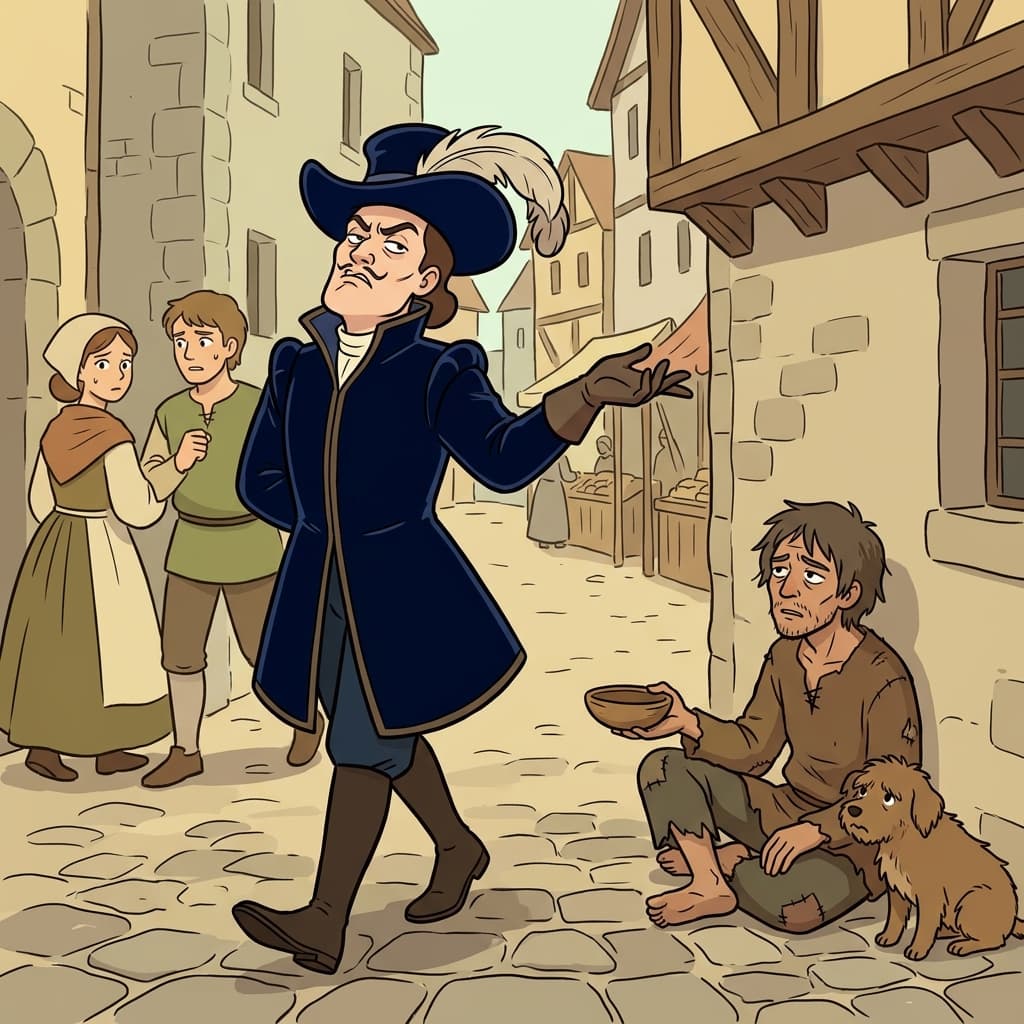
The noble looked at the beggar with pure scorn and turned away.
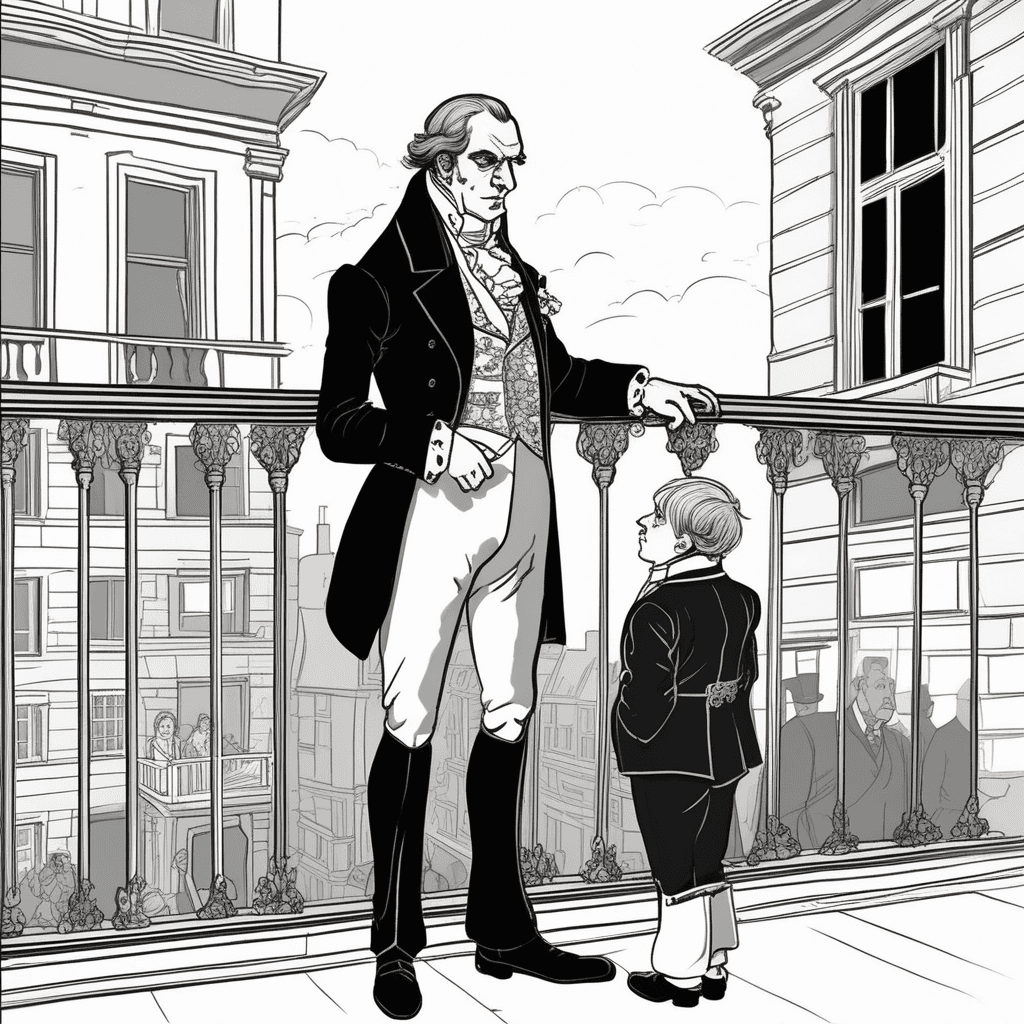
Those born with torn clothes deserve no scorn.
Got the picture? Now let's practice.
🎤Pronunciation
🌳Etymology
Origin
From Old Norse 'skorna' meaning to mock or jeer, which evolved through Middle Dutch and Old French influences into Middle English 'scorn'. The word entered English around the 13th century with meanings of contempt and ridicule.
Breakdown
scorn (noun/verb) - a single morpheme with no productive affixes; the word itself is the root, derived from Old Norse 'skorna' (to mock)
🎵Rhyme
🔗Collocations
📝Examples
“The food critic's scorn for the restaurant was evident in his one-star review.”
“She scorned his attempt to impress her by doing magic tricks with french fries.”
“The CEO poured scorn on the idea of a four-day work week, calling it 'lazy nonsense.'”
“He faced the scorn of his friends after claiming he could eat 50 hot dogs in one sitting.”
📚Related Words
Want to master 27,000+ words?
Sign up free for flashcards & quizzes.