impractical — not sensible or realistic; not able to be done or put into practice easily
Part of speech: ADJECTIVE
Definition: not sensible or realistic; not able to be done or put into practice easily
Pronunciation (IPA): /ɪmˈpræktɪkəl/
Example Sentences
- His plan to commute to work by hot air balloon was completely impractical.
- The glass shoes looked beautiful but were highly impractical for daily wear.
- It would be impractical to bring a full-size piano to a camping trip.
impractical
ADJECTIVE[/ɪmˈpræktɪkəl/]
not sensible or realistic; not able to be done or put into practice easily

Building a glass bridge across the ocean was completely impractical.
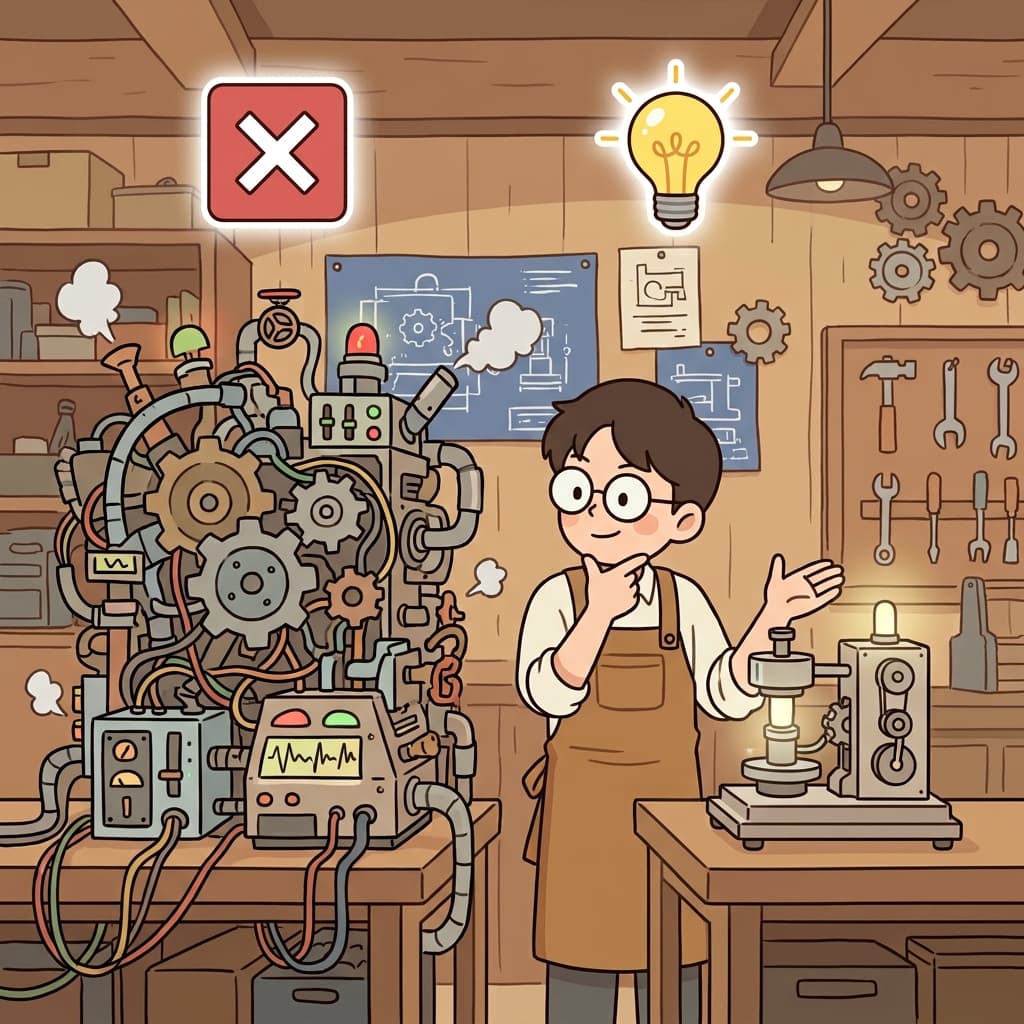
The inventor abandoned the impractical design and chose a simpler one. (❌ Not Practical + 💡 Realistic Solution → Impractical)

The impractical design was simplified, and the project finally succeeded.
Got the picture? Now let's practice.
🎤Pronunciation
🌳Etymology
Origin
The word derives from Latin negative prefix 'im-' combined with 'practical', which itself comes from Greek 'praktikos' (of action, capable of being done), stemming from the Greek verb 'prattein' (to do, to act). The term emerged in English to denote something unsuitable for practical application or implementation.
Breakdown
im- (not, without) + practical (from Greek praktikos, capable of action) = not suited for practical use or application. The Latin prefix 'im-' assimilates before 'p' from the base form 'in-' (negation).
🎵Rhyme
🔗Collocations
📝Examples
“His plan to commute to work by hot air balloon was completely impractical.”
“The glass shoes looked beautiful but were highly impractical for daily wear.”
“It would be impractical to bring a full-size piano to a camping trip.”
“The architect's impractical design had doors that opened into walls.”
“Although romantic, living without electricity is impractical in modern society.”
📚Related Words
Want to master 27,000+ words?
Sign up free for flashcards & quizzes.