nasty — very unpleasant, disgusting, or offensive
Part of speech: ADJECTIVE
Definition: very unpleasant, disgusting, or offensive
Pronunciation (IPA): /ˈnæsti/
Example Sentences
- My roommate left nasty dishes in the sink for three weeks - I think they're evolving into new life forms!
- The boss was in a nasty mood after losing the big contract.
- That's a nasty cut on your finger - you should see a doctor.
nasty
ADJECTIVE[/ˈnæsti/]
very unpleasant, disgusting, or offensive

The storm brought nasty weather all afternoon.
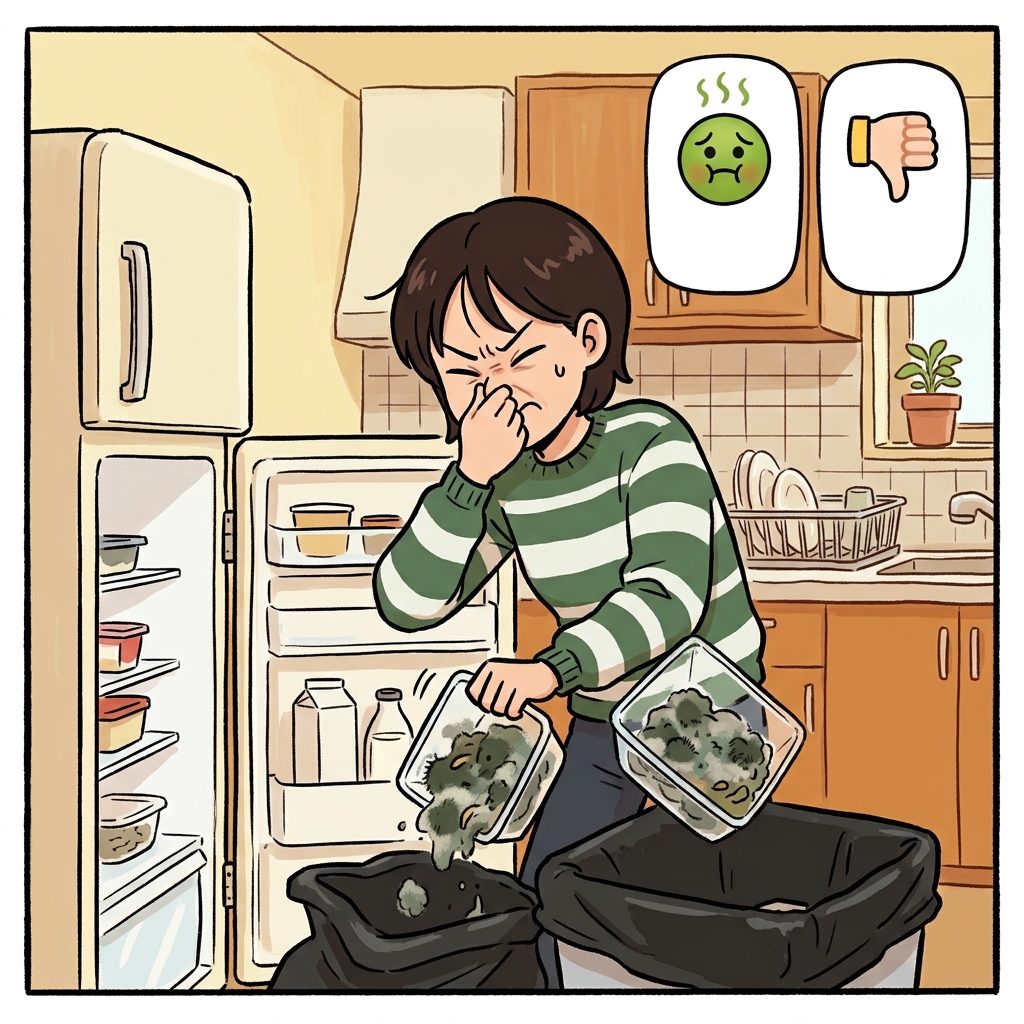
The food gave off a nasty smell. (🤢 Unpleasant + 👎 Bad → Nasty)

A hasty decision during the nasty storm almost endangered everyone's safety.
Got the picture? Now let's practice.
🎤Pronunciation
🌳Etymology
Origin
The word 'nasty' originated in Middle English around the 14th century, initially denoting physical filthiness or uncleanliness. Over time, its semantic range expanded from literal dirtiness to encompass moral depravity and character defects.
Breakdown
The word derives from Middle English 'nasti' (filthy, unclean), with the modern form 'nasty' acquiring the diminutive or intensifying suffix '-y', which transforms the root into an adjective meaning 'disagreeable' or 'morally bad'.
🎵Rhyme
🔗Collocations
📝Examples
“My roommate left nasty dishes in the sink for three weeks - I think they're evolving into new life forms!”
“The boss was in a nasty mood after losing the big contract.”
“That's a nasty cut on your finger - you should see a doctor.”
“He gave me a nasty look when I accidentally stepped on his shoes.”
📚Related Words
Synonyms
Antonyms
Related
Want to master 19,000+ words?
Sign up free for flashcards & quizzes.