preponderance — The quality or fact of being greater in number, quantity, or importance; superiority in weight or influence. A larger proportion or majority of something compared to alternatives.
Part of speech: NOUN
Definition: The quality or fact of being greater in number, quantity, or importance; superiority in weight or influence. A larger proportion or majority of something compared to alternatives.
Pronunciation (IPA): /prɪˈpɑːndərəns/
Example Sentences
- The preponderance of pizza boxes in his room suggested he wasn't exactly a master chef.
- The jury found guilt based on the preponderance of evidence presented.
- There's a preponderance of cat videos on the internet, which explains my productivity issues.
preponderance
NOUN[/prɪˈpɑːndərəns/]
The quality or fact of being greater in number, quantity, or importance; superiority in weight or influence. A larger proportion or majority of something compared to alternatives.
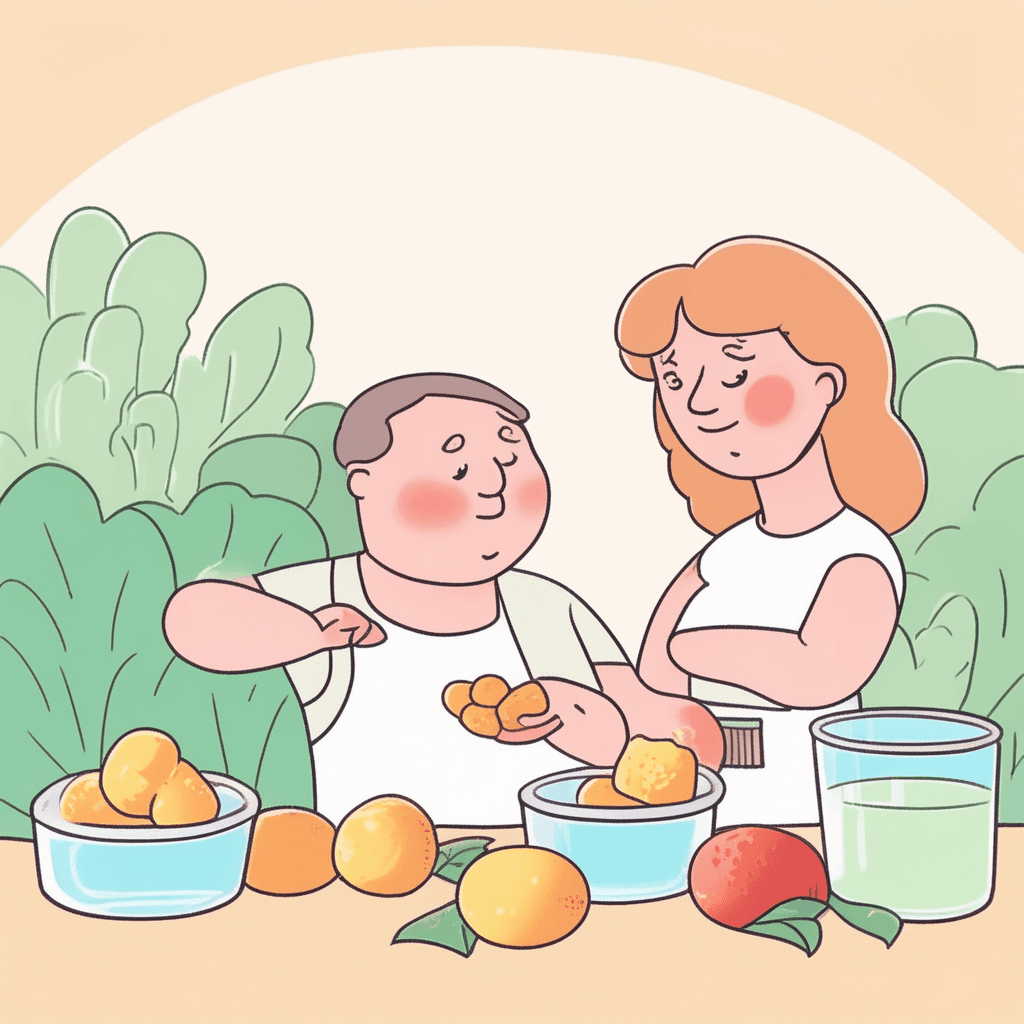
The quality or fact of being greater in number, quantity, or importance; superiority in weight or influence. A larger proportion or majority of something compared to alternatives.

Preponderance defeats ignorance through tolerance!
Got the picture? Now let's practice.
🎤Pronunciation
🌳Etymology
Origin
From Latin praeponderare, meaning 'to weigh more' or 'to be heavier.' The word literally described one side of a scale being heavier than the other, which evolved to mean 'having greater influence or dominance.'
Breakdown
prae- (before/in front) + ponder- (weight) + -ance (noun suffix meaning 'state of')
🎵Rhyme
📝Examples
“The preponderance of pizza boxes in his room suggested he wasn't exactly a master chef.”
“The jury found guilt based on the preponderance of evidence presented.”
“There's a preponderance of cat videos on the internet, which explains my productivity issues.”
“The preponderance of research supports the benefits of regular exercise.”
📚Related Words
Want to master 27,000+ words?
Sign up free for flashcards & quizzes.