digression — a temporary departure from the main subject in speech or writing
Part of speech: NOUN
Definition: a temporary departure from the main subject in speech or writing
Pronunciation (IPA): /daɪˈɡreʃən/
Example Sentences
- Sorry for the digression, but did you see that flying pizza delivery drone?
- His speech was full of amusing digressions about his childhood.
- After a lengthy digression about aliens, the teacher finally returned to math.
digression
NOUN[/daɪˈɡreʃən/]
a temporary departure from the main subject in speech or writing
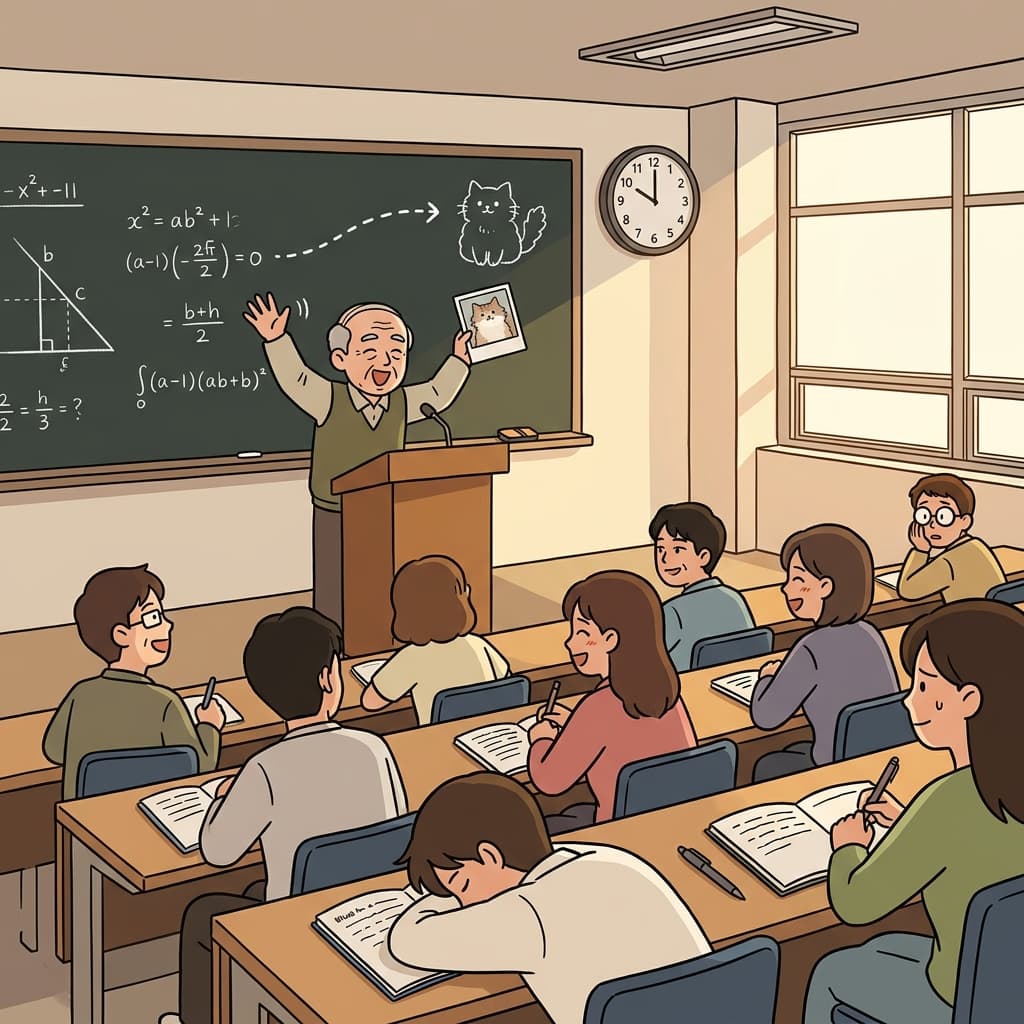
The professor's digression about his cat lasted longer than the actual lecture.

The session's digression leads to honest confession!
Got the picture? Now let's practice.
🎤Pronunciation
🌳Etymology
Origin
From Latin digressio, meaning 'to step away' or 'to depart from.' The word originally described the physical act of walking away from a path, which evolved to mean departing from the main topic in speech or writing.
Breakdown
di- (away/apart) + gress- (to step/walk) + -ion (noun suffix meaning 'act of')
🎵Rhyme
🔗Collocations
📝Examples
“Sorry for the digression, but did you see that flying pizza delivery drone?”
“His speech was full of amusing digressions about his childhood.”
“After a lengthy digression about aliens, the teacher finally returned to math.”
“The writer's constant digressions made the novel difficult to follow.”
📚Related Words
Want to master 27,000+ words?
Sign up free for flashcards & quizzes.