forlorn — pitifully sad and abandoned or lonely
Part of speech: ADJECTIVE
Definition: pitifully sad and abandoned or lonely
Pronunciation (IPA): /fərˈlɔːrn/
Example Sentences
- The abandoned puppy looked so forlorn that everyone at the shelter wanted to adopt it immediately.
- His forlorn attempt to impress his crush by juggling ended with tomatoes all over his face.
- The old castle stood forlorn against the stormy sky, its windows dark and empty.
forlorn
ADJECTIVE[/fərˈlɔːrn/]
pitifully sad and abandoned or lonely

The forlorn puppy waited by the empty doorway, hoping its owner would return.
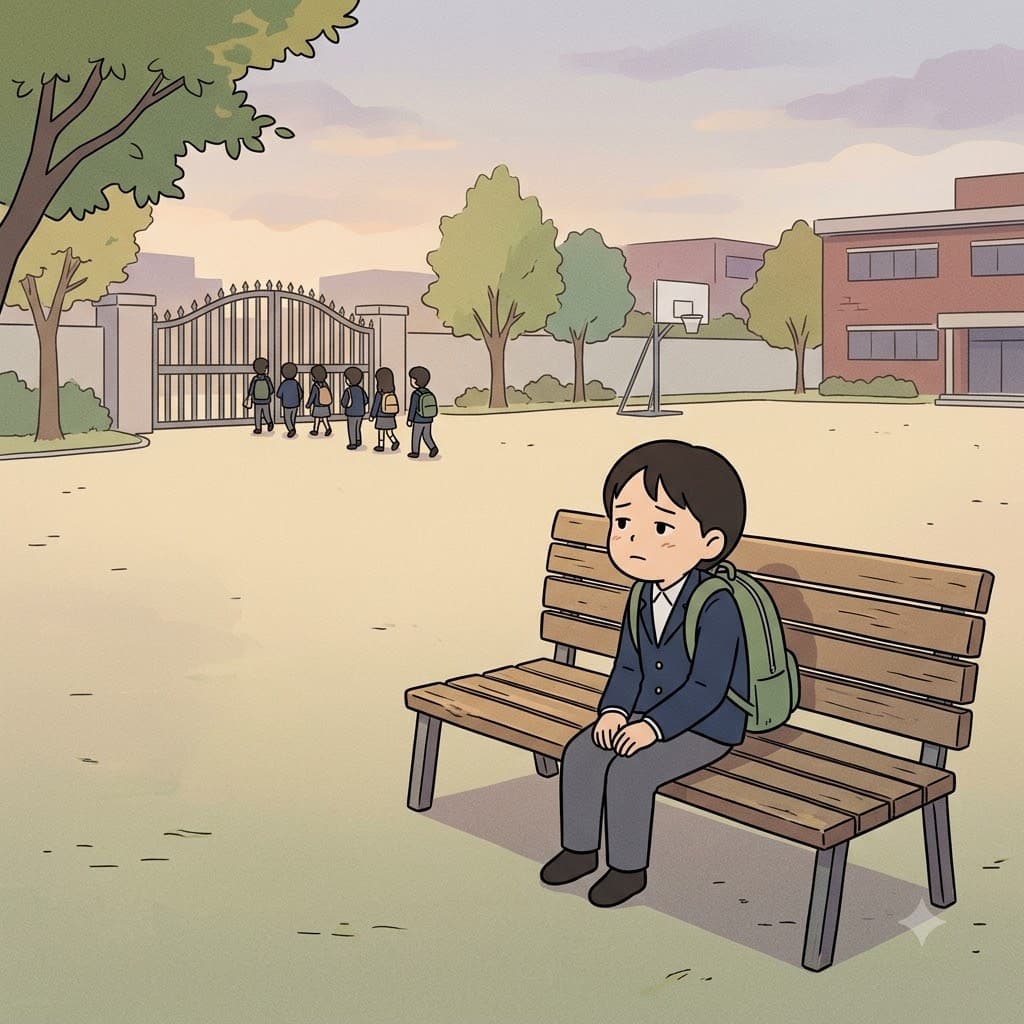
The forlorn child sat alone in the corner, feeling as if everyone had left him behind. (Break it into: FOR + LORN → Think: FOR → for someone, LORN → alone / lonely)

The forlorn sailor began to mourn when he learned that his ship would never return.
Got the picture? Now let's practice.
🎤Pronunciation
🌳Etymology
Origin
From Old English 'forloren', the past participle of 'forleosan' meaning 'to lose completely'. The prefix 'for-' intensifies the meaning of 'leosan' (to lose), combining to express total abandonment or loss.
Breakdown
for- (completely, utterly) + lorn (archaic past participle of lose, meaning lost or abandoned) = forlorn (completely lost or abandoned)
🎵Rhyme
🔗Collocations
📝Examples
“The abandoned puppy looked so forlorn that everyone at the shelter wanted to adopt it immediately.”
“His forlorn attempt to impress his crush by juggling ended with tomatoes all over his face.”
“The old castle stood forlorn against the stormy sky, its windows dark and empty.”
“Making a forlorn effort to fix his car with a banana, he finally called a real mechanic.”
📚Related Words
Want to master 27,000+ words?
Sign up free for flashcards & quizzes.