myth — a traditional story explaining natural phenomena or beliefs, often involving gods or supernatural beings
Part of speech: NOUN
Definition: a traditional story explaining natural phenomena or beliefs, often involving gods or supernatural beings
Pronunciation (IPA): /mɪθ/
Example Sentences
- My mom still believes in the myth that eating carrots improves your eyesight dramatically.
- Norse myths feature Thor wielding his mighty hammer.
- The myth that goldfish have a 3-second memory has been scientifically debunked.
myth
NOUN[/mɪθ/]
a traditional story explaining natural phenomena or beliefs, often involving gods or supernatural beings
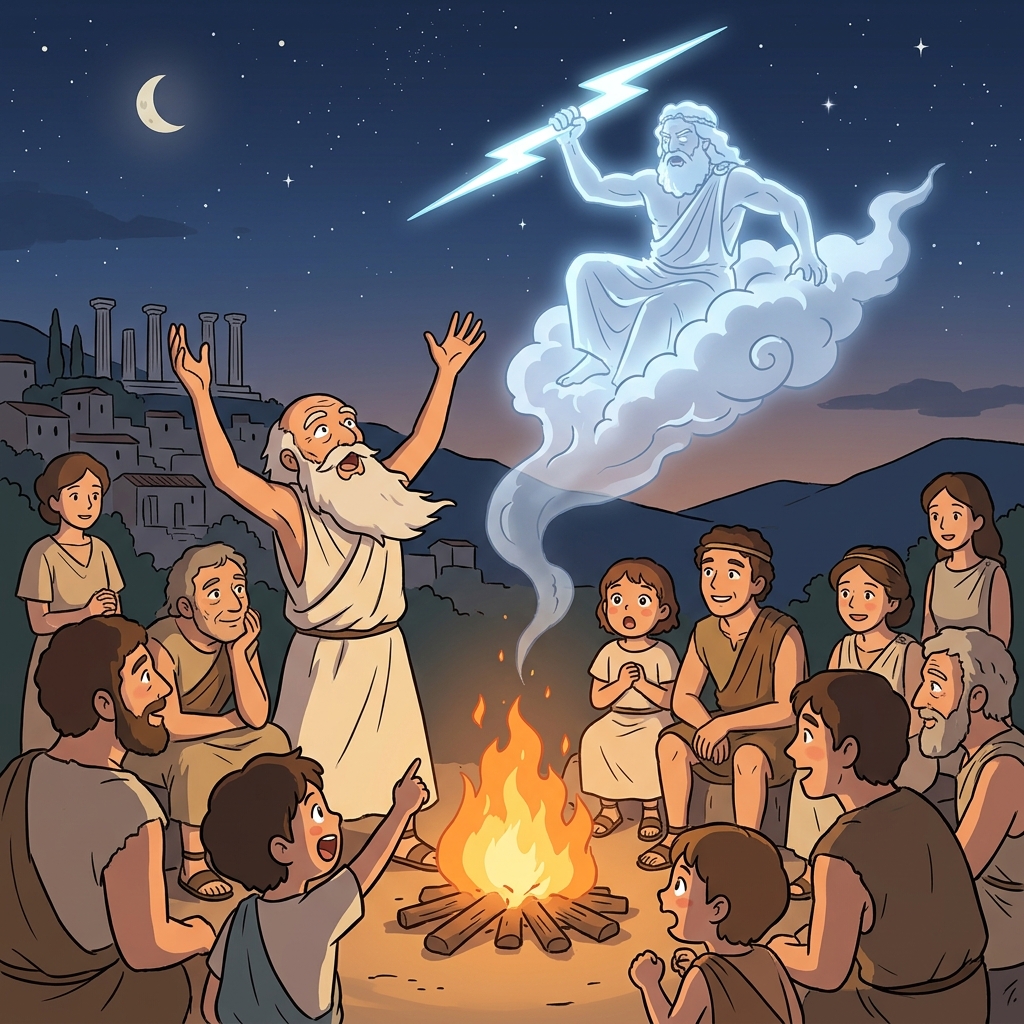
Ancient Greeks tell the myth of Zeus hurling lightning from Mount Olympus.
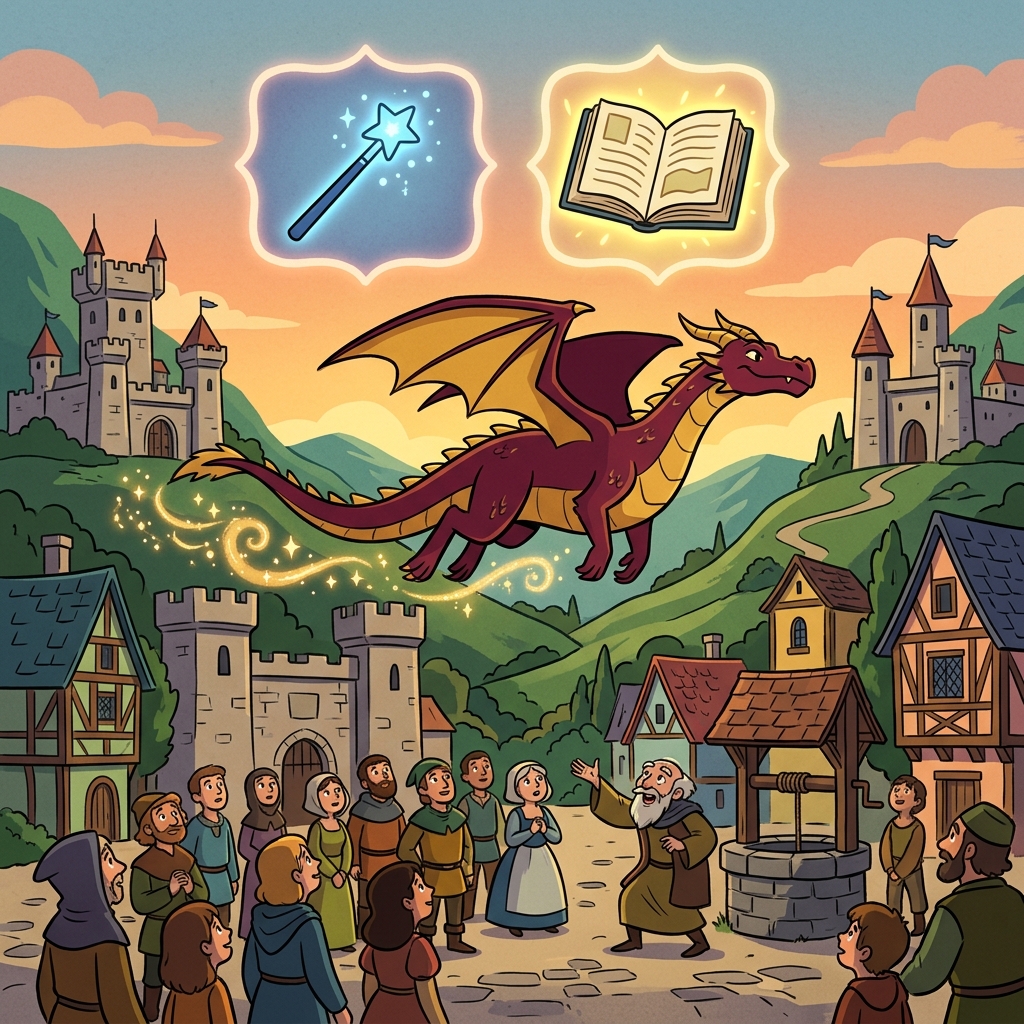
The myth told a magical story about a heroic dragon. (MAGIC + STORY = MYTH → a legendary story passed down over time)

A myth inspired the fifth hero to achieve triumph.
Got the picture? Now let's practice.
🎤Pronunciation
🌳Etymology
Origin
From Ancient Greek 'mythos' (μῦθος) meaning 'word', 'speech', or 'story'. The term originally referred to traditional narratives passed down orally in Greek culture before being adopted into Latin and European languages.
Breakdown
mythos (Greek: word/story) = myth (a narrative account of traditional beliefs or supernatural events)
🎵Rhyme
🔗Collocations
📝Examples
“My mom still believes in the myth that eating carrots improves your eyesight dramatically.”
“Norse myths feature Thor wielding his mighty hammer.”
“The myth that goldfish have a 3-second memory has been scientifically debunked.”
“Students study various cultural myths in their literature class.”
📚Related Words
Synonyms
Antonyms
Related
Want to master 19,000+ words?
Sign up free for flashcards & quizzes.