discolored — having changed color, especially having become less bright or different from the original color due to age, damage, or staining
Part of speech: ADJECTIVE
Definition: having changed color, especially having become less bright or different from the original color due to age, damage, or staining
Pronunciation (IPA): /dɪsˈkʌlərd/
Example Sentences
- My white T-shirt became discolored after I accidentally washed it with my red socks.
- The dentist recommended whitening treatment for my discolored teeth caused by too much coffee.
- The chef threw away the discolored vegetables that had been sitting in the fridge for weeks.
discolored
ADJECTIVE[/dɪsˈkʌlərd/]
having changed color, especially having become less bright or different from the original color due to age, damage, or staining
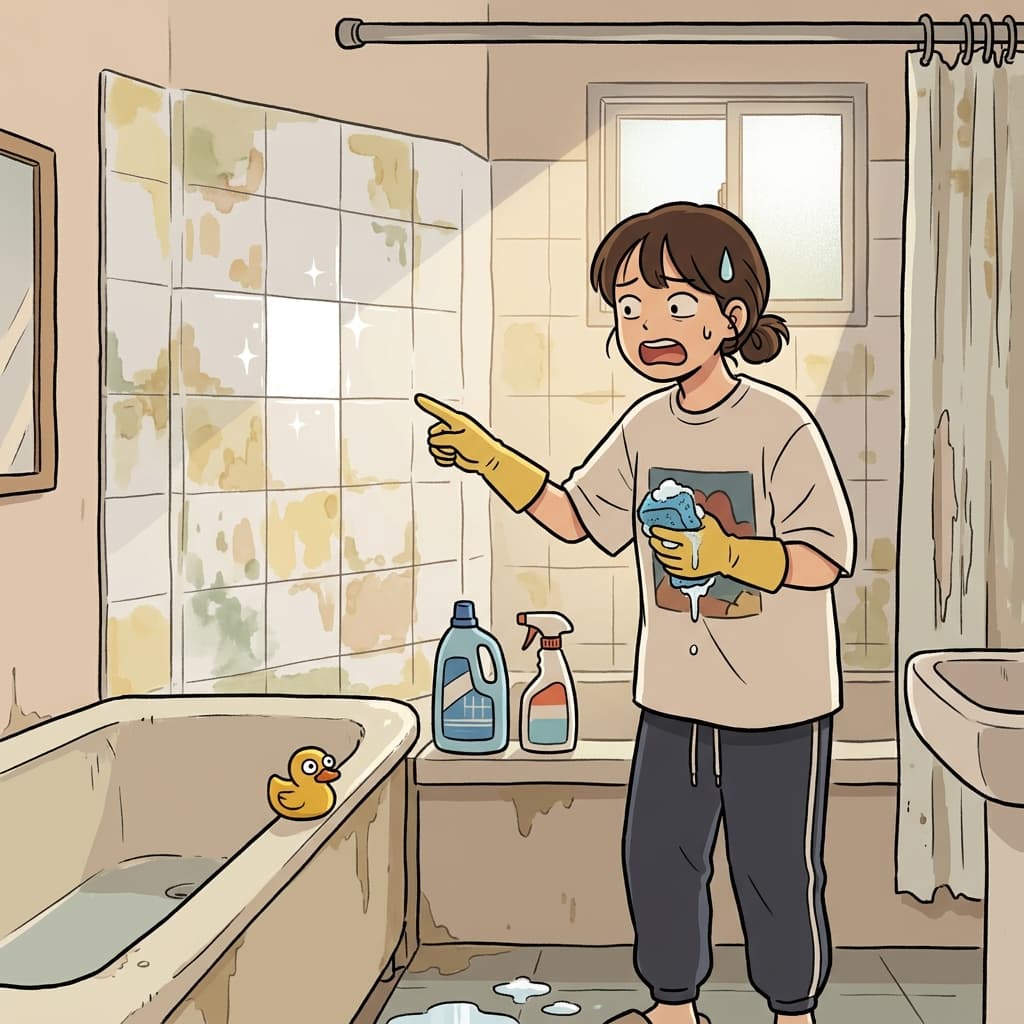
The old bathroom tiles were discolored from years of water stains.
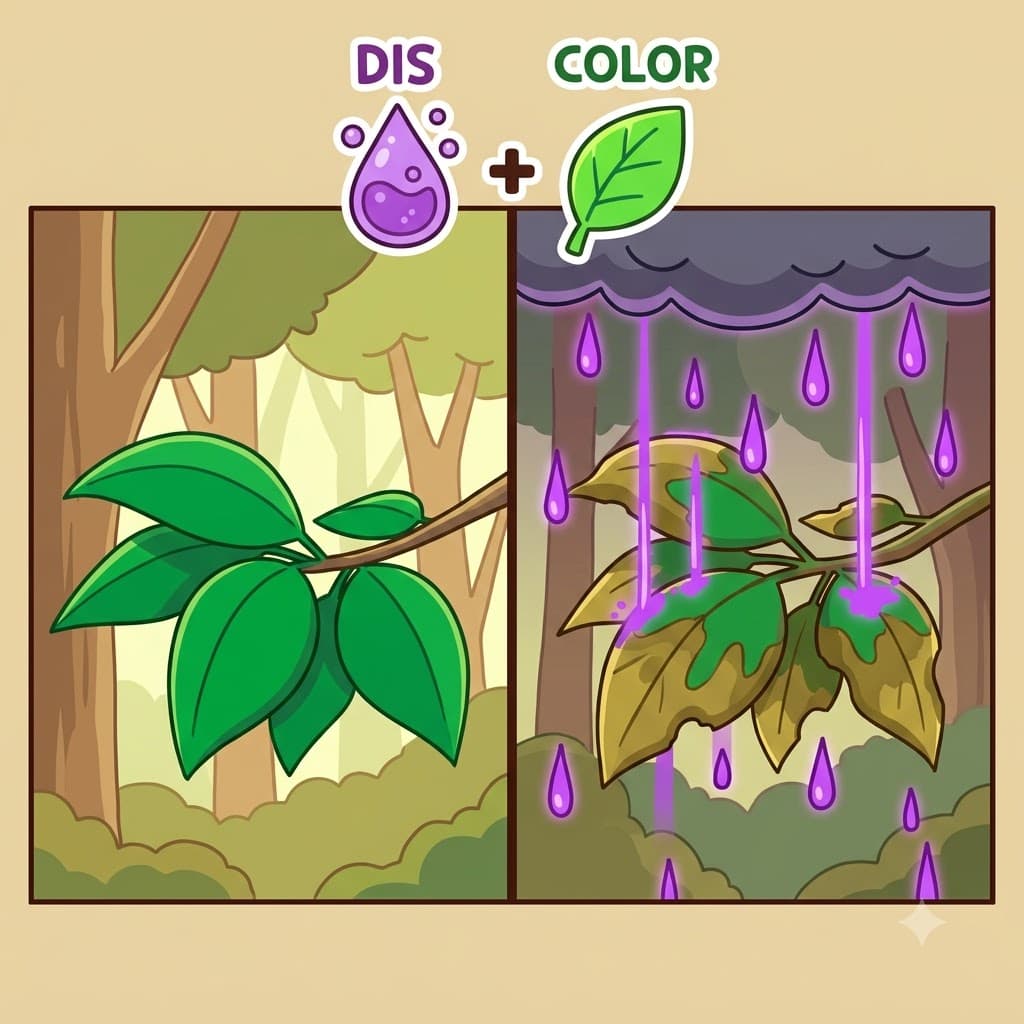
The healthy green leaves became discolored after toxic rain stripped away their natural color.
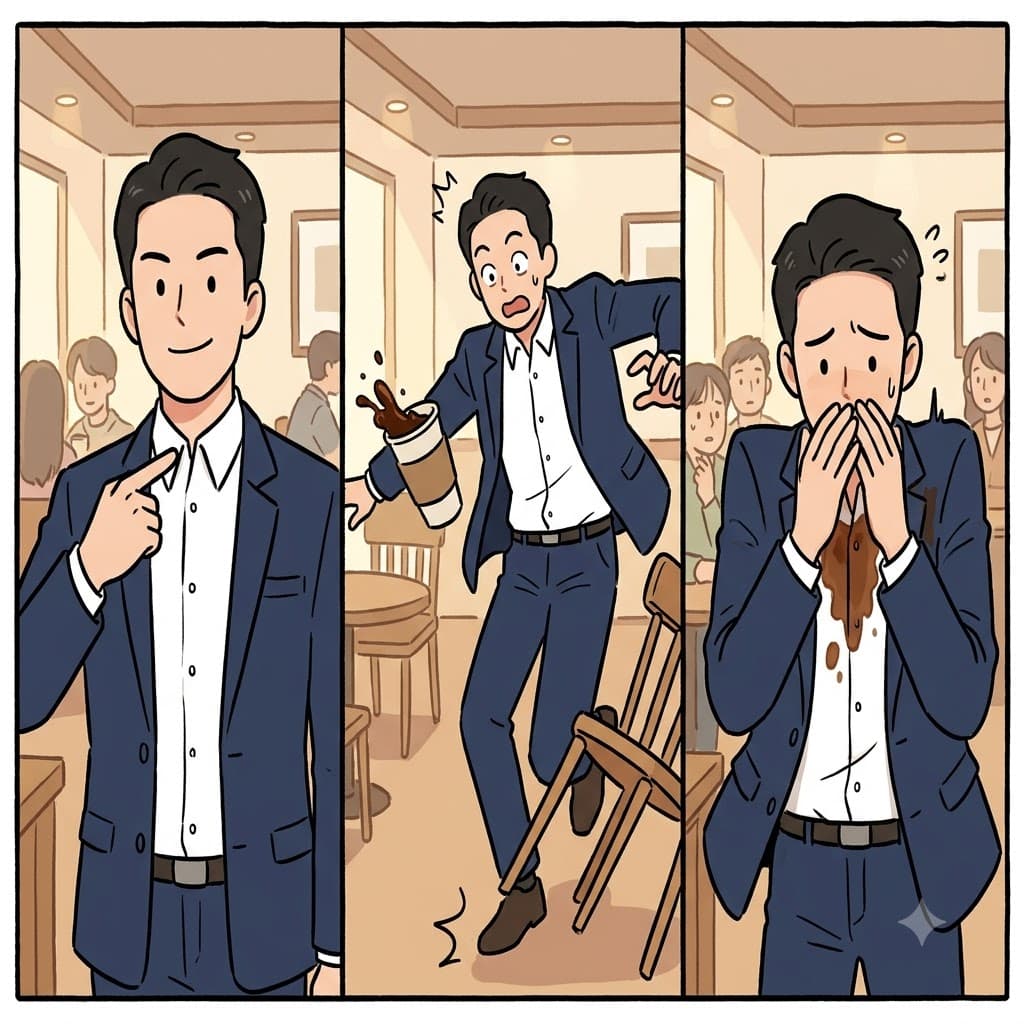
Dark coffee spilled onto his white collar, leaving the shirt badly discolored.
Got the picture? Now let's practice.
🎤Pronunciation
🌳Etymology
Origin
From Latin 'dis-' meaning 'away from' or 'opposite' combined with 'color' meaning 'hue' or 'appearance'. The word literally means to lose or change from the original color.
Breakdown
dis- (away from/opposite) + color (hue/appearance) + -ed (past participle suffix)
🎵Rhyme
🔗Collocations
📝Examples
“My white T-shirt became discolored after I accidentally washed it with my red socks.”
“The dentist recommended whitening treatment for my discolored teeth caused by too much coffee.”
“The chef threw away the discolored vegetables that had been sitting in the fridge for weeks.”
“My grandmother's wedding dress was beautifully preserved despite being slightly discolored with age.”
📚Related Words
Want to master 27,000+ words?
Sign up free for flashcards & quizzes.