understate — to describe or present something as being smaller, less important, or less significant than it actually is
Part of speech: VERB
Definition: to describe or present something as being smaller, less important, or less significant than it actually is
Pronunciation (IPA): /ˌʌndərˈsteɪt/
Example Sentences
- My grandmother always understates her cooking skills, but she's practically a master chef!
- To say I was 'slightly tired' after running a marathon would be a massive understatement.
- The government tends to understate unemployment figures during election periods.
understate
VERB[/ˌʌndərˈsteɪt/]
to describe or present something as being smaller, less important, or less significant than it actually is

He understated the damage by saying it was only a small scratch.

She understated her achievement by calling it a little success. (⬇️ Less + 🗣️ Say → Understate)
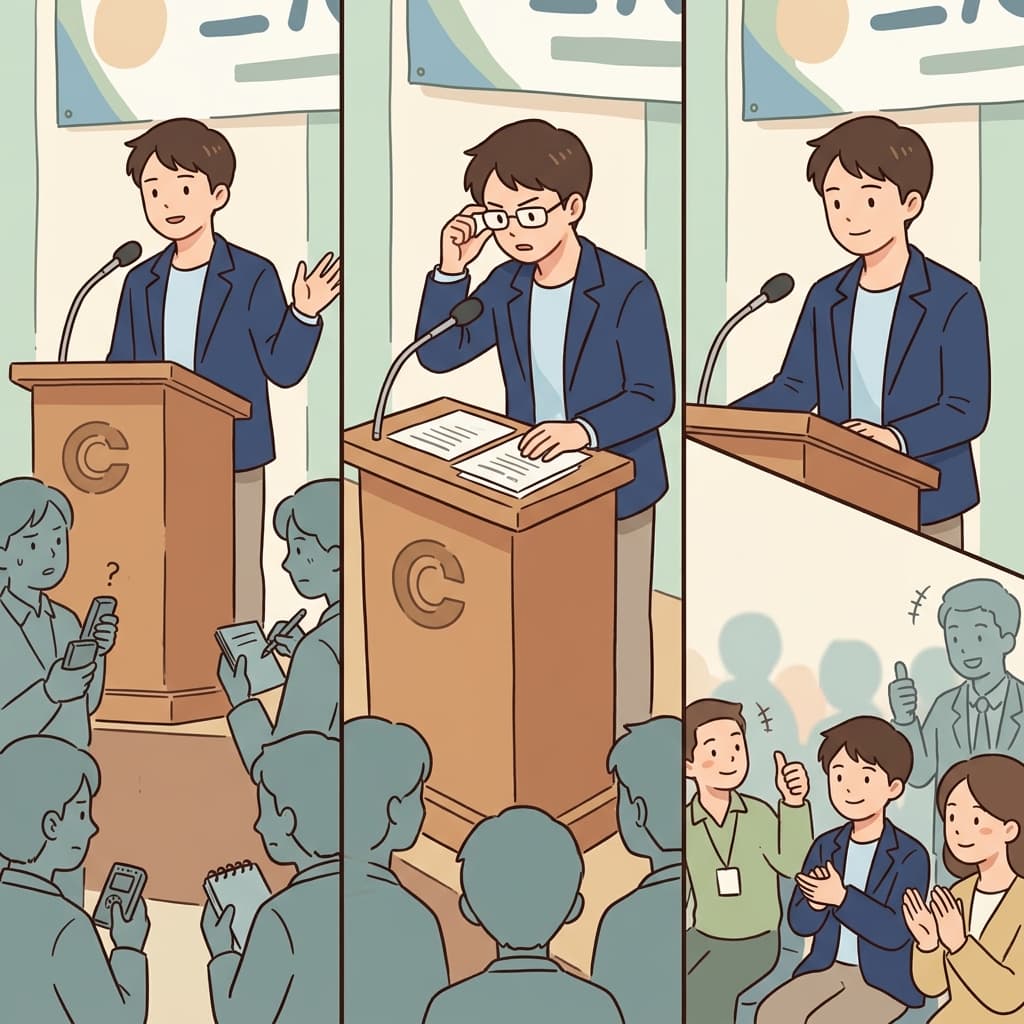
He understated the problem, restated the facts clearly, and communicated the truth.
Got the picture? Now let's practice.
🎤Pronunciation
🌳Etymology
Origin
From the prefix 'under-' (meaning below or less than) combined with the verb 'state' (from Latin 'statum,' meaning to set or place). The word emerged in English to describe the act of presenting something with less emphasis or importance than warranted.
Breakdown
under- (below, less than) + state (to present or declare) = understate (to present as less important or significant than it is)
🎵Rhyme
🔗Collocations
📝Examples
“My grandmother always understates her cooking skills, but she's practically a master chef!”
“To say I was 'slightly tired' after running a marathon would be a massive understatement.”
“The government tends to understate unemployment figures during election periods.”
“He understated his role in the project's success, giving all credit to his team.”
📚Related Words
Want to master 27,000+ words?
Sign up free for flashcards & quizzes.