turbid — cloudy, opaque, or thick with suspended matter
Part of speech: ADJECTIVE
Definition: cloudy, opaque, or thick with suspended matter
Pronunciation (IPA): /ˈtɜːrbɪd/
Example Sentences
- The chef's soup looked so turbid that customers thought it was dishwater.
- After the construction work, the once-clear lake became turbid with mud and debris.
- The scientist observed that the turbid mixture gradually settled into clear layers.
turbid
ADJECTIVE[/ˈtɜːrbɪd/]
cloudy, opaque, or thick with suspended matter

After the storm, the once-clear river became turbid with mud and debris.
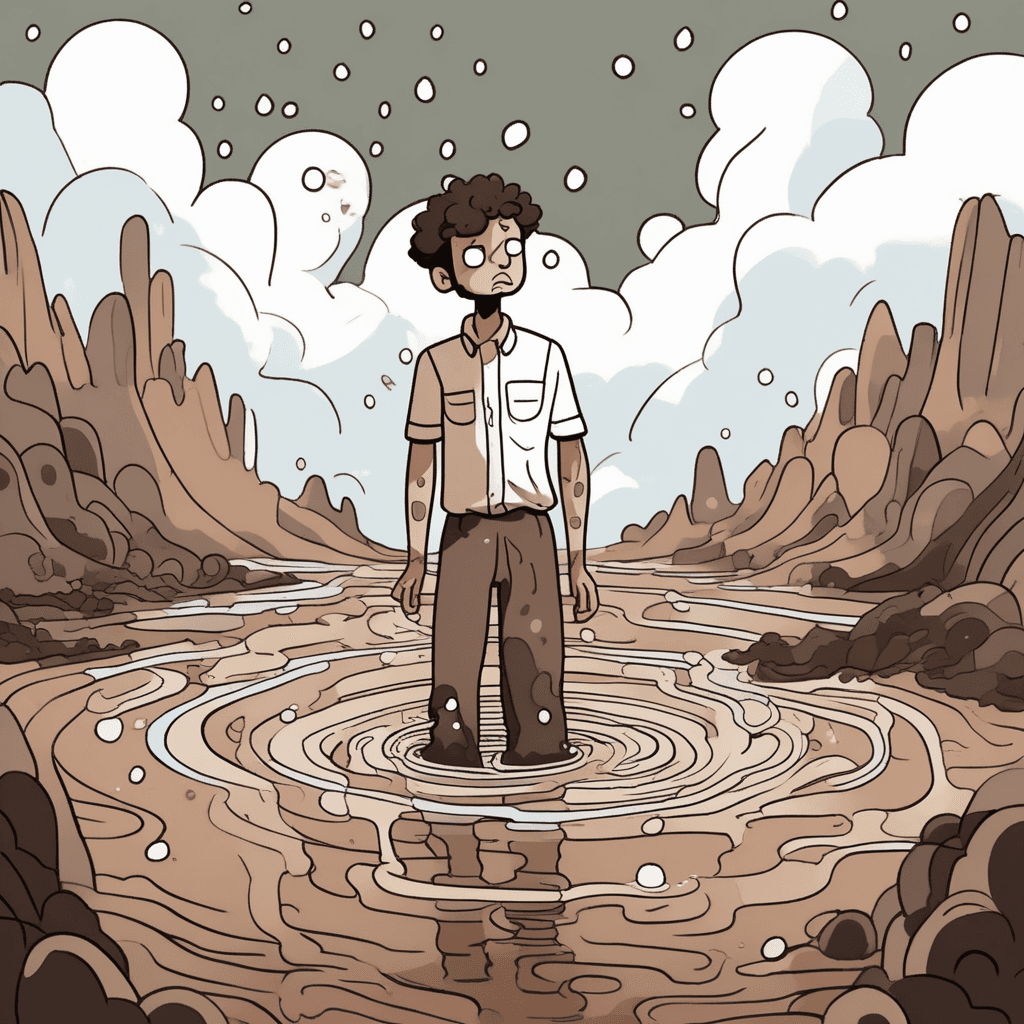
ID disturbed the water — now it's turbid and murky!
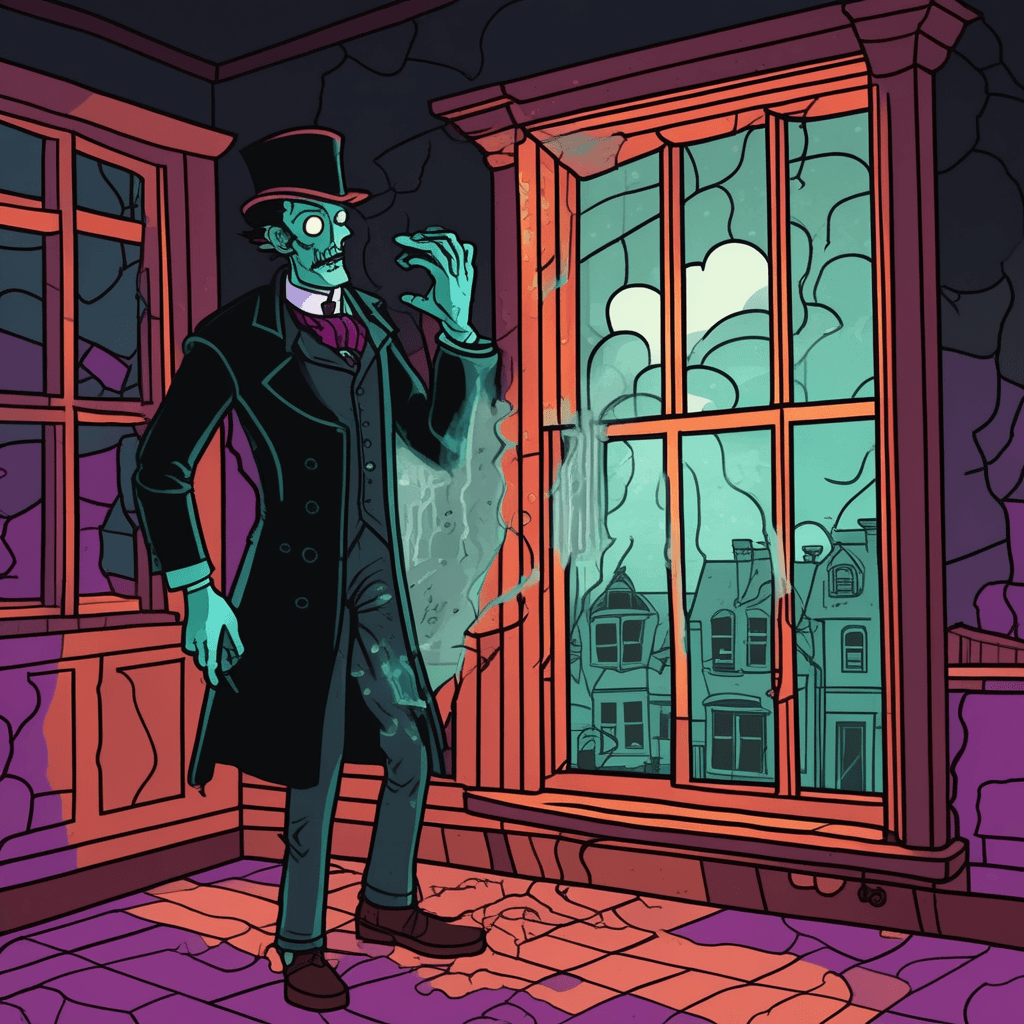
Through turbid glass, the morbid truth appears!
Got the picture? Now let's practice.
🎤Pronunciation
🌳Etymology
Origin
From Latin 'turbidus' meaning disturbed or confused, derived from 'turbare' meaning to stir up or agitate. The image is of water being stirred until it becomes cloudy and unclear.
Breakdown
turb- (to stir, disturb) + -id (adjective suffix meaning having the quality of)
🎵Rhyme
🔗Collocations
📝Examples
“The chef's soup looked so turbid that customers thought it was dishwater.”
“After the construction work, the once-clear lake became turbid with mud and debris.”
“The scientist observed that the turbid mixture gradually settled into clear layers.”
“My coffee became turbid when I accidentally added expired milk to it.”
📚Related Words
Want to master 27,000+ words?
Sign up free for flashcards & quizzes.