dogma — A set of principles or beliefs that are accepted as unquestionably true, often by a religious or political group.
Part of speech: NOUN
Definition: A set of principles or beliefs that are accepted as unquestionably true, often by a religious or political group.
Pronunciation (IPA): /ˈdɔːɡmə/
Example Sentences
- My grandmother's dogma that 'eating late causes nightmares' made me skip midnight snacks for years.
- The professor encouraged students to question established dogma rather than accept it blindly.
- His dogma about 'never buying anything online' crumbled when he discovered free shipping.
dogma
NOUN[/ˈdɔːɡmə/]
A set of principles or beliefs that are accepted as unquestionably true, often by a religious or political group.
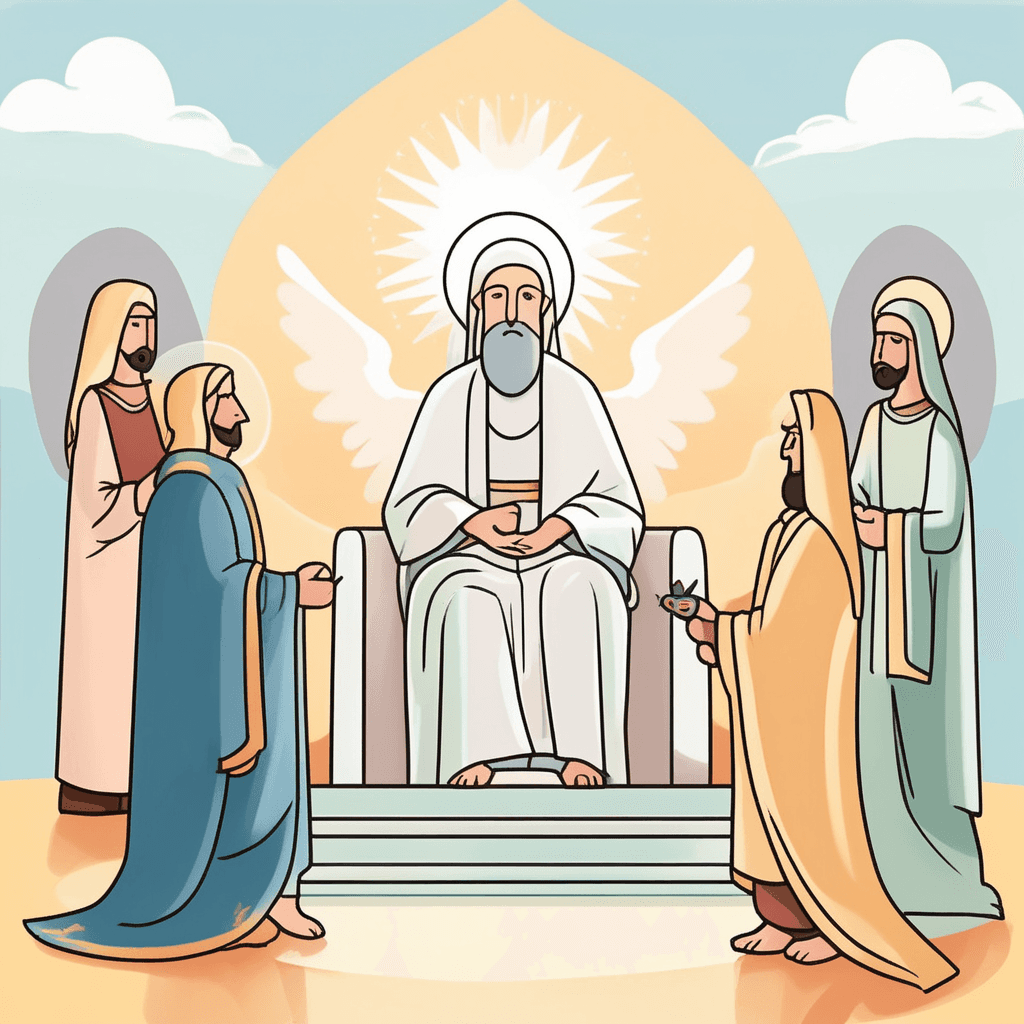
A set of principles or beliefs that are accepted as unquestionably true, often by a religious or political group.

Break free from dogma, embrace the drama!
Got the picture? Now let's practice.
🎤Pronunciation
🌳Etymology
Origin
From Greek 'dogma' meaning 'opinion' or 'that which seems good.' Originally used by philosophers to describe their teachings, it gradually evolved to mean 'established doctrine' or 'unquestionable belief.'
Breakdown
dok- (to think/seem) + -ma (noun suffix indicating result or thing)
🎵Rhyme
📝Examples
“My grandmother's dogma that 'eating late causes nightmares' made me skip midnight snacks for years.”
“The professor encouraged students to question established dogma rather than accept it blindly.”
“His dogma about 'never buying anything online' crumbled when he discovered free shipping.”
“Scientific progress often requires challenging long-held dogma with new evidence.”
📚Related Words
Want to master 27,000+ words?
Sign up free for flashcards & quizzes.