slang — very informal words and expressions that are more common in spoken language, especially used by a particular group of people
Part of speech: NOUN
Definition: very informal words and expressions that are more common in spoken language, especially used by a particular group of people
Pronunciation (IPA): /slæŋ/
Example Sentences
- Regional slang can vary dramatically from one city to another.
- My grandma asked me to translate the slang in my text messages because she was completely lost.
- Using too much slang in a job interview might not create the best impression.
slang
NOUN[/slæŋ/]
very informal words and expressions that are more common in spoken language, especially used by a particular group of people

very informal words and expressions that are more common in spoken language, especially used by a particular group of people
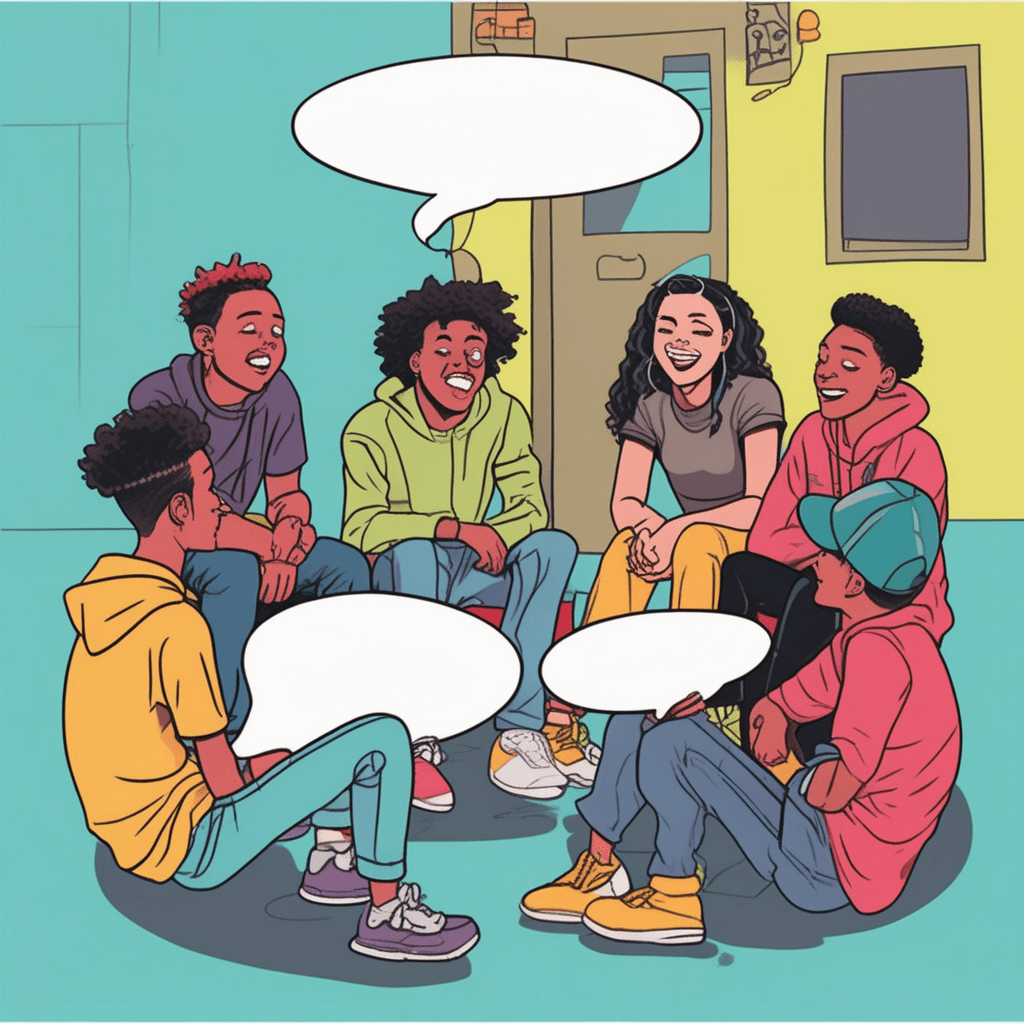
The gang's slang words hang in the air!
Got the picture? Now let's practice.
🎤Pronunciation
🌳Etymology
Origin
Slang emerged in the mid-18th century from Norwegian 'slengja', originally meaning 'chain' or 'necklace'. The term evolved metaphorically to describe language that functions like a linguistic chain connecting specific social groups, reflecting the in-group communication patterns of particular communities.
Breakdown
slengja (Norwegian: to sling, throw, or chain together) → slang. The semantic shift from physical chains to group-binding speech reflects how specialized vocabulary 'chains together' members of social communities.
🎵Rhyme
🔗Collocations
📝Examples
“Regional slang can vary dramatically from one city to another.”
“My grandma asked me to translate the slang in my text messages because she was completely lost.”
“Using too much slang in a job interview might not create the best impression.”
“The English teacher created a 'slang dictionary' to keep up with her students' constantly evolving vocabulary.”
📚Related Words
Want to master 27,000+ words?
Sign up free for flashcards & quizzes.