dredge — to remove mud, sand, or other material from the bottom of a river, harbor, or other area of water
Part of speech: VERB
Definition: to remove mud, sand, or other material from the bottom of a river, harbor, or other area of water
Pronunciation (IPA): /drɛdʒ/
Example Sentences
- The city hired a company to dredge the canal after my neighbor threw his old furniture in there.
- Please don't dredge up that embarrassing story about my karaoke performance again.
- The environmental impact of dredging operations must be carefully assessed.
dredge
VERB[/drɛdʒ/]
to remove mud, sand, or other material from the bottom of a river, harbor, or other area of water
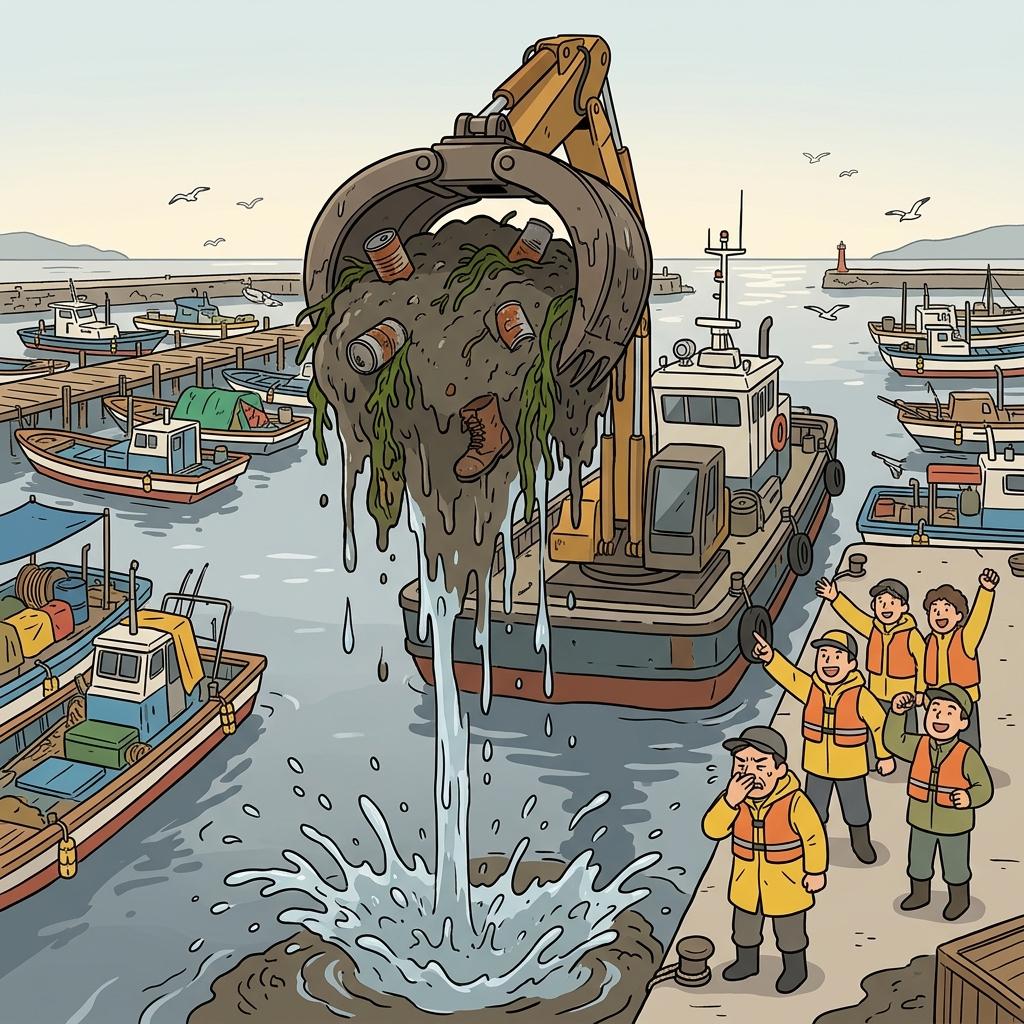
Workers dredge thick mud from the harbor floor to clear the channel.
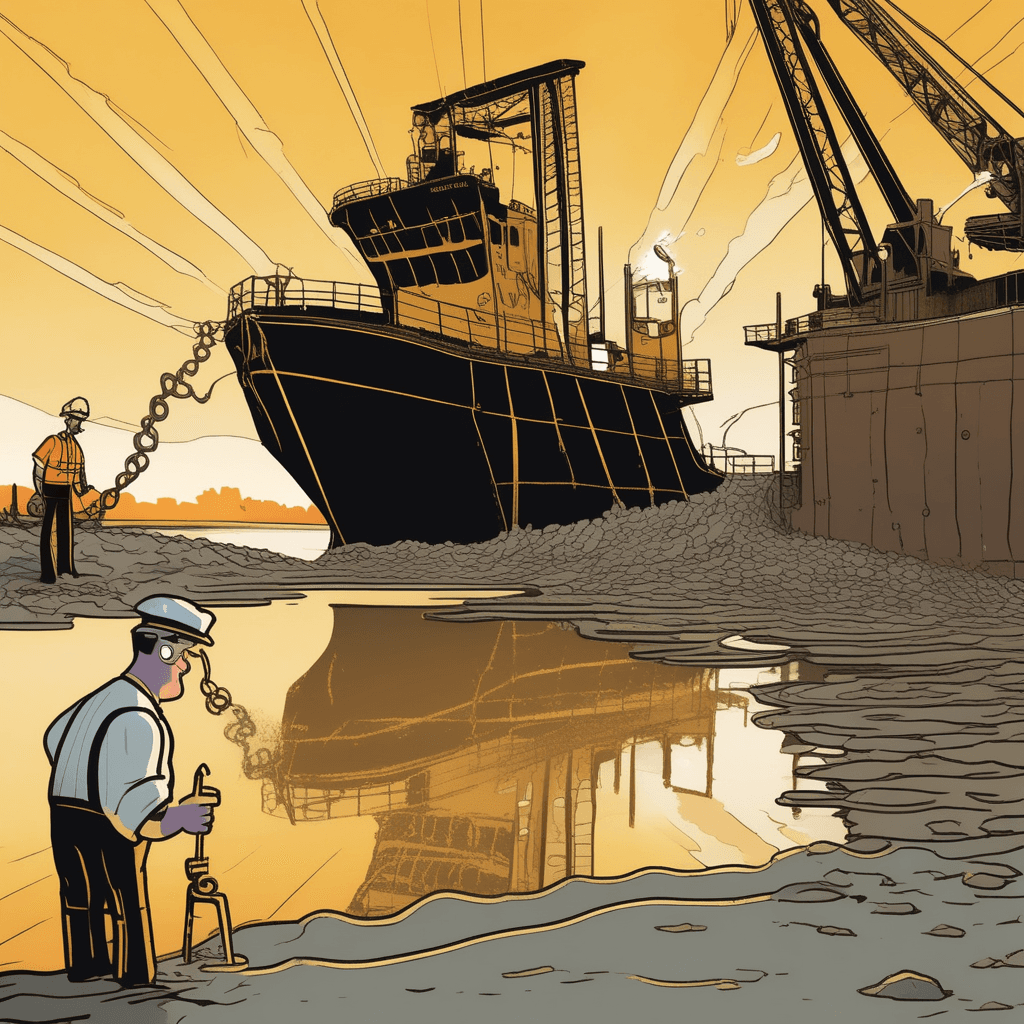
Dredge at the water's edge, with a pledge to restore!
Got the picture? Now let's practice.
🎤Pronunciation
🌳Etymology
Origin
Dredge derives from Middle English 'dregge', probably related to Dutch 'dregghe'. Originally denoted a net or apparatus for scraping up oysters and other items from the seabed.
Breakdown
The word evolved from Middle English 'dregge' (a dredging net) via Dutch influence, with the morphology centered on the root meaning 'to drag or scrape up from water'. The suffix '-dge' reflects the historical phonetic adaptation from Dutch 'dregghe'.
🎵Rhyme
🔗Collocations
📝Examples
“The city hired a company to dredge the canal after my neighbor threw his old furniture in there.”
“Please don't dredge up that embarrassing story about my karaoke performance again.”
“The environmental impact of dredging operations must be carefully assessed.”
“They managed to dredge up some interesting artifacts from the ancient shipwreck.”
📚Related Words
Want to master 17,000+ words?
Sign up free for flashcards & quizzes.