dissidence — disagreement with or opposition to prevailing ideas, policies, or institutions
Part of speech: NOUN
Definition: disagreement with or opposition to prevailing ideas, policies, or institutions
Pronunciation (IPA): /ˈdɪsɪdəns/
Example Sentences
- The teacher was surprised by the students' dissidence when they all refused to do homework on pizza day.
- Her dissidence against the company's dress code led to the 'Pajama Friday' movement.
- The journalist's dissidence cost him his job but earned him respect among his peers.
dissidence
NOUN[/ˈdɪsɪdəns/]
disagreement with or opposition to prevailing ideas, policies, or institutions
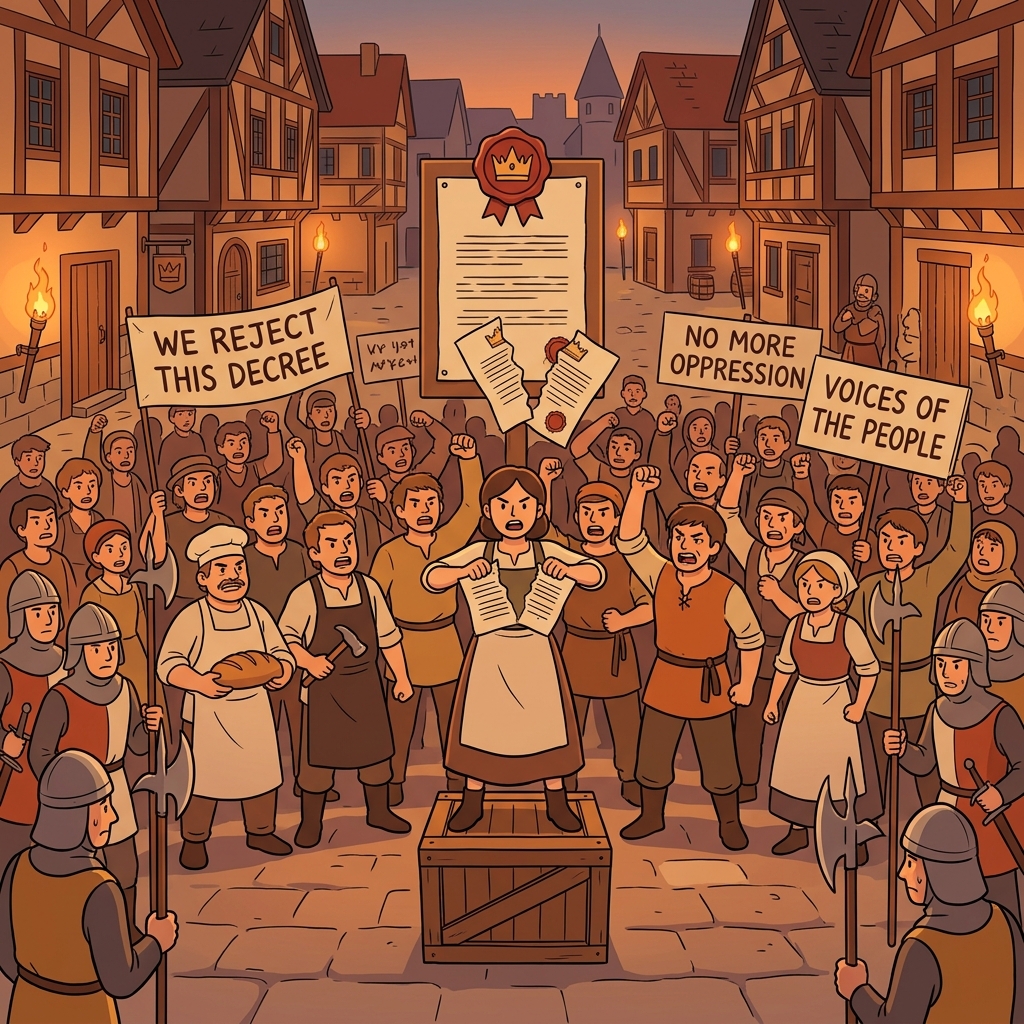
The crowd's dissidence filled the square as banners rose against the king's decree.
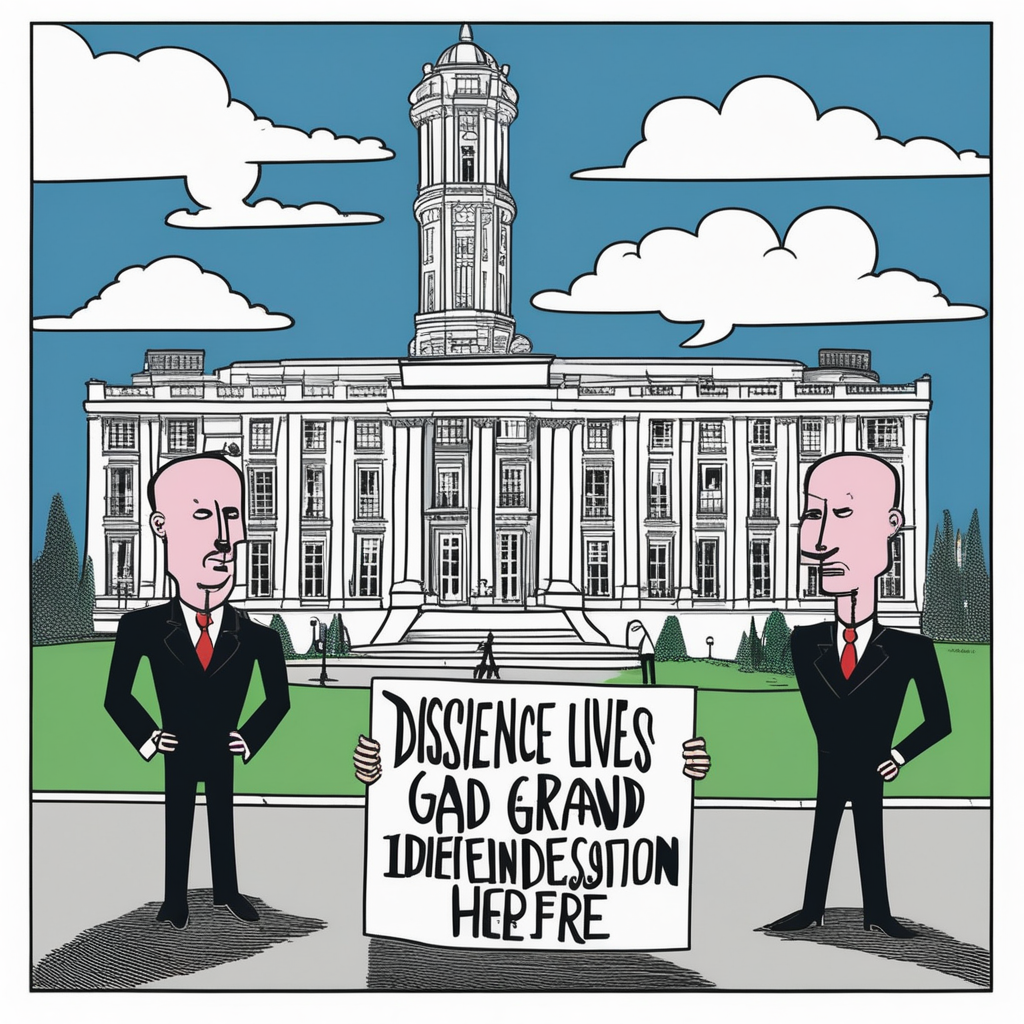
Dissidence echoes outside the residence!
Got the picture? Now let's practice.
🎤Pronunciation
🌳Etymology
Origin
Dissidence derives from Latin dissidere, meaning 'to sit apart.' The word evolved from the literal image of people with differing opinions sitting separately, eventually acquiring the abstract sense of disagreement or discord.
Breakdown
dis- (apart) + sidere (to sit) + -ence (state or quality). The suffix -ence transforms the verb into a noun denoting the state of sitting apart or disagreement.
🎵Rhyme
🔗Collocations
📝Examples
“The teacher was surprised by the students' dissidence when they all refused to do homework on pizza day.”
“Her dissidence against the company's dress code led to the 'Pajama Friday' movement.”
“The journalist's dissidence cost him his job but earned him respect among his peers.”
“Political dissidence was strongly discouraged in the authoritarian regime.”
📚Related Words
Synonyms
Antonyms
Related
Want to master 19,000+ words?
Sign up free for flashcards & quizzes.