detriment — the state of being harmed or damaged; something that causes harm or loss
Part of speech: NOUN
Definition: the state of being harmed or damaged; something that causes harm or loss
Pronunciation (IPA): /ˈdetrɪmənt/
Example Sentences
- He worked overtime to the detriment of his social life.
- Eating pizza every day proved to be a detriment to my diet goals.
- The factory's pollution was a major detriment to the local environment.
detriment
NOUN[/ˈdetrɪmənt/]
the state of being harmed or damaged; something that causes harm or loss

Skipping sleep for weeks was a serious detriment to her health.
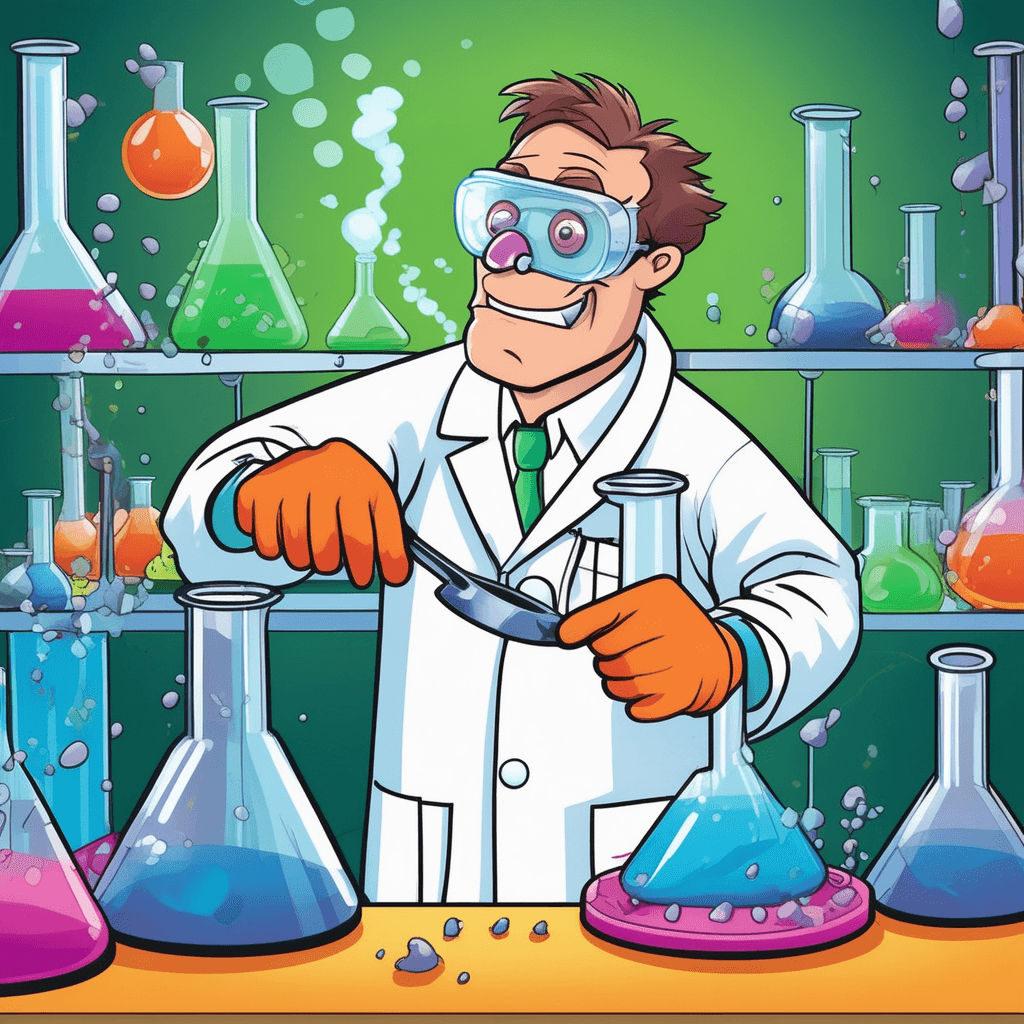
A toxic element needs the right implement to prevent detriment!
Got the picture? Now let's practice.
🎤Pronunciation
🌳Etymology
Origin
Derived from Latin, the word originates from the meaning 'to wear away by grinding or rubbing' and evolved to signify 'to cause damage or harm.' The metaphor reflects how continuous friction wears down stone, just as detrimental actions erode value or well-being.
Breakdown
de- (down, away) + terere (to rub, grind, wear) + -ment (result or state). The root terere literally means to rub or grind away, combined with the downward prefix to indicate diminishment or damage.
🎵Rhyme
🔗Collocations
📝Examples
“He worked overtime to the detriment of his social life.”
“Eating pizza every day proved to be a detriment to my diet goals.”
“The factory's pollution was a major detriment to the local environment.”
“My cat's habit of knocking things off tables is a constant detriment to my decoration efforts.”
📚Related Words
Want to master 27,000+ words?
Sign up free for flashcards & quizzes.