opera — a dramatic work in one or more acts, set to music for singers and instrumentalists
Part of speech: NOUN
Definition: a dramatic work in one or more acts, set to music for singers and instrumentalists
Pronunciation (IPA): /ˈɑːpərə/
Example Sentences
- My grandmother thinks K-pop concerts are just modern opera with better choreography.
- The opera was so long that I had three dinners during intermission.
- She fell asleep during the opera and started snoring in harmony with the tenor.
opera
NOUN[/ˈɑːpərə/]
a dramatic work in one or more acts, set to music for singers and instrumentalists
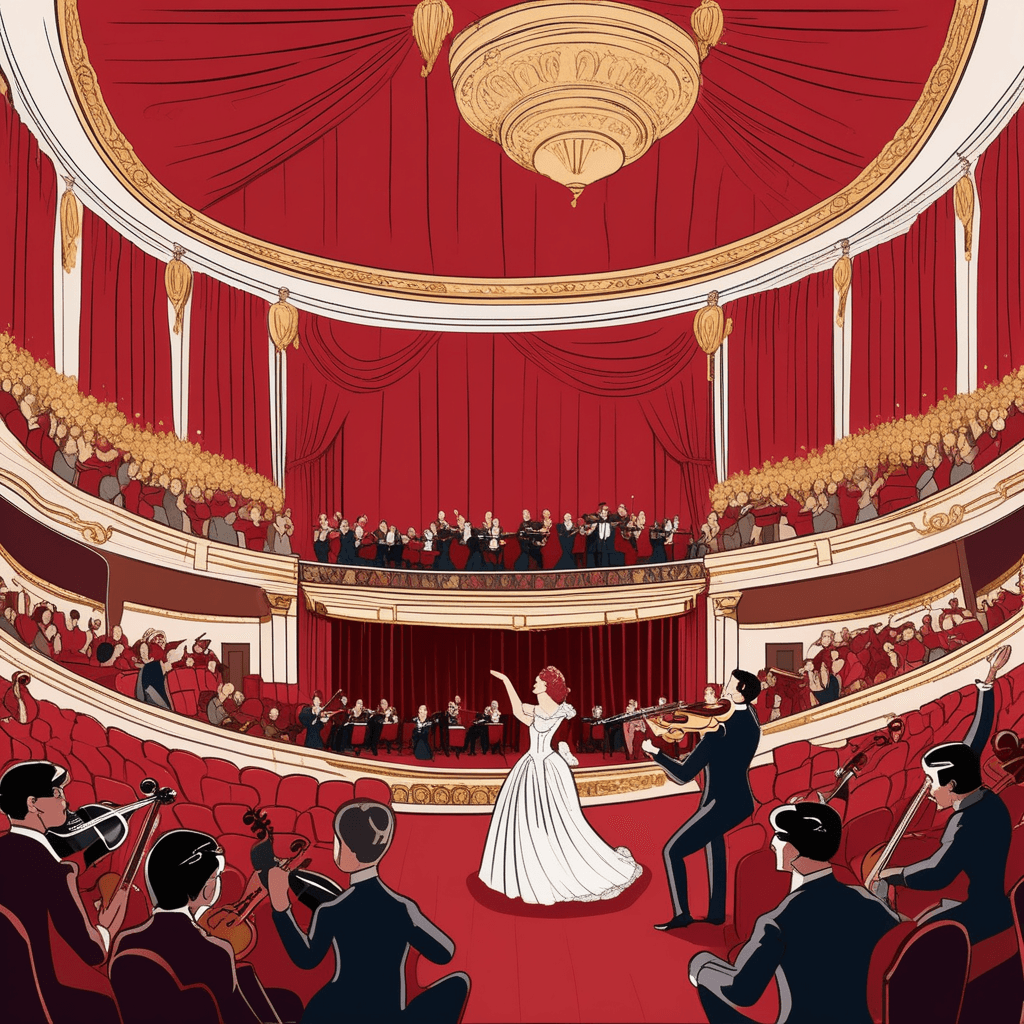
Musical drama with singers and orchestra
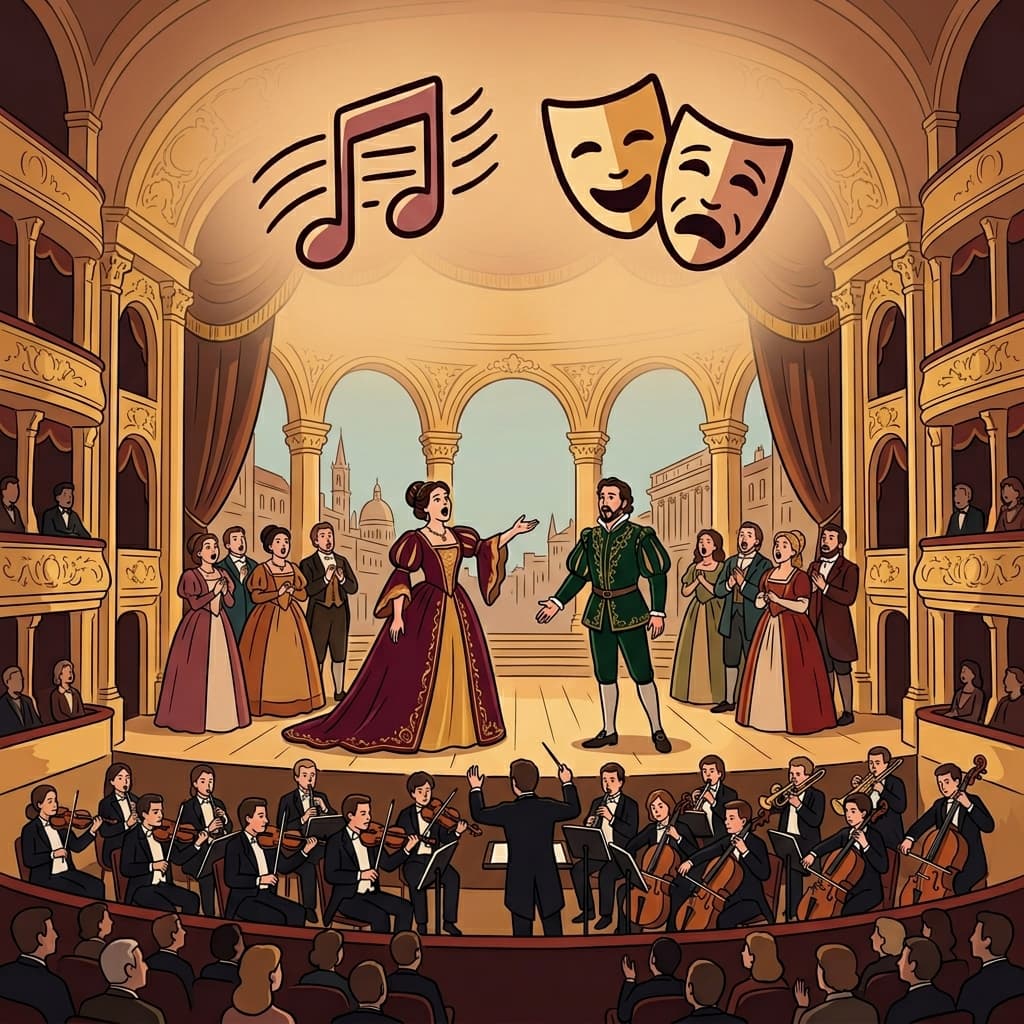
The audience was moved by the opera's powerful final performance. (MUSIC + DRAMA = OPERA)
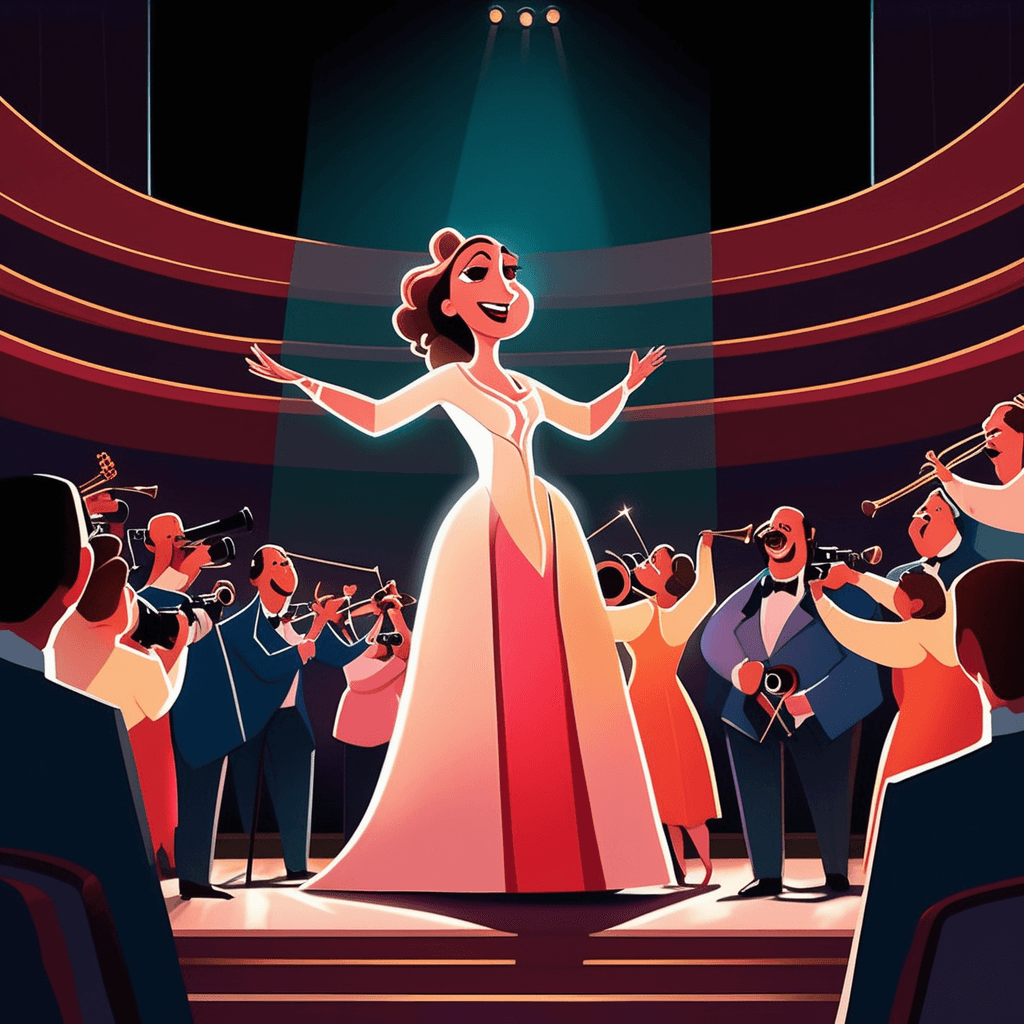
Opera lights up the area as cameras capture the drama!
Got the picture? Now let's practice.
🎤Pronunciation
🌳Etymology
Origin
Opera originates from Latin 'opus' (work, composition), with the term adopted and developed in 17th-century Italy. Italian nobility created this dramatic art form as an attempt to revive Greek tragedy, combining music, drama, and visual spectacle into an integrated theatrical experience.
Breakdown
Latin 'opera' is the plural of 'opus' (work, composition), which evolved into Italian 'opera' to denote the musical-dramatic genre, then adopted into English with the same form and meaning.
🎵Rhyme
🔗Collocations
📝Examples
“My grandmother thinks K-pop concerts are just modern opera with better choreography.”
“The opera was so long that I had three dinners during intermission.”
“She fell asleep during the opera and started snoring in harmony with the tenor.”
“The Metropolitan Opera is one of the most prestigious venues in the world.”
📚Related Words
Want to master 27,000+ words?
Sign up free for flashcards & quizzes.