frustration — the feeling of being upset or annoyed as a result of being unable to change or achieve something
Part of speech: NOUN
Definition: the feeling of being upset or annoyed as a result of being unable to change or achieve something
Pronunciation (IPA): /frʌˈstreɪʃən/
Example Sentences
- His frustration reached its peak when his phone died right before an important call.
- The cat's frustration was obvious when it couldn't catch the red laser dot.
- Students often experience frustration when learning a new language.
frustration
NOUN[/frʌˈstreɪʃən/]
the feeling of being upset or annoyed as a result of being unable to change or achieve something

He slams the keyboard in frustration after losing the game again.
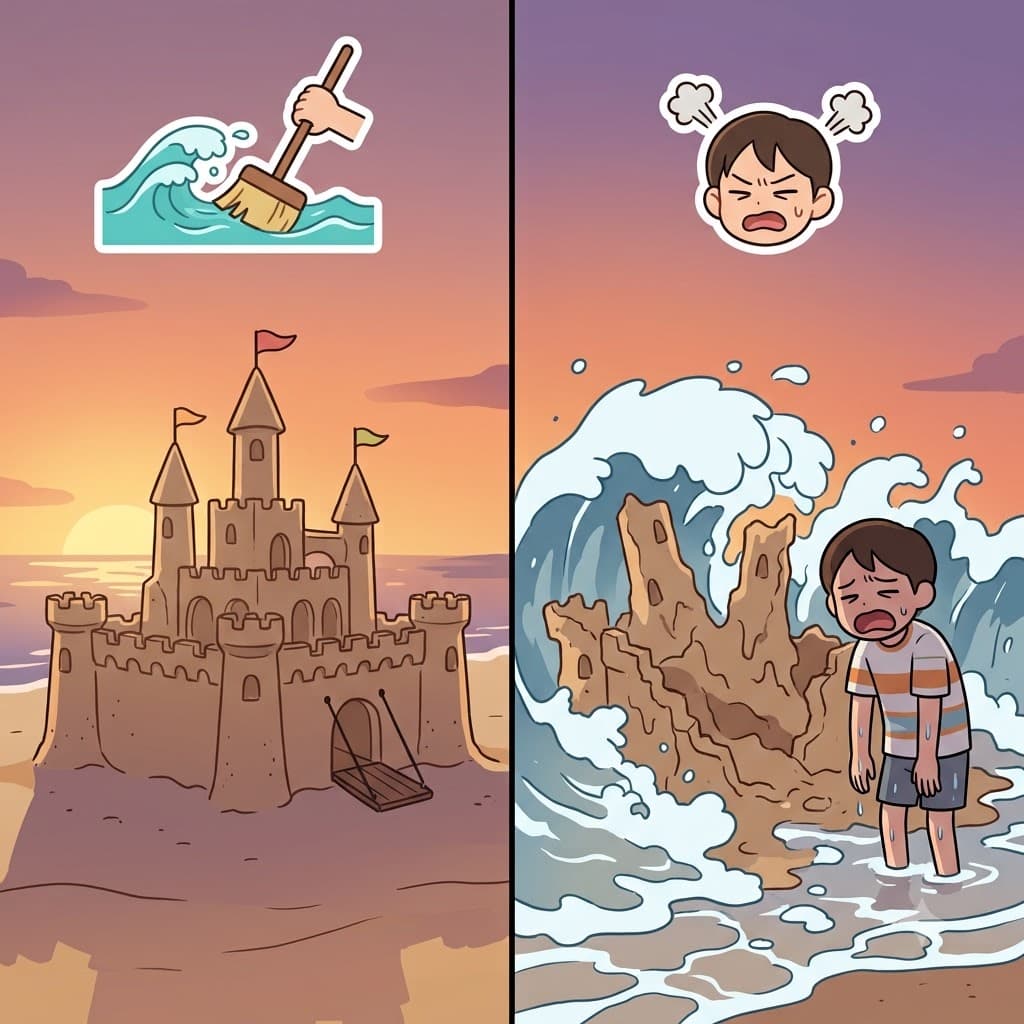
Watching the incoming tide destroy his sand castle filled the builder with deep frustration.
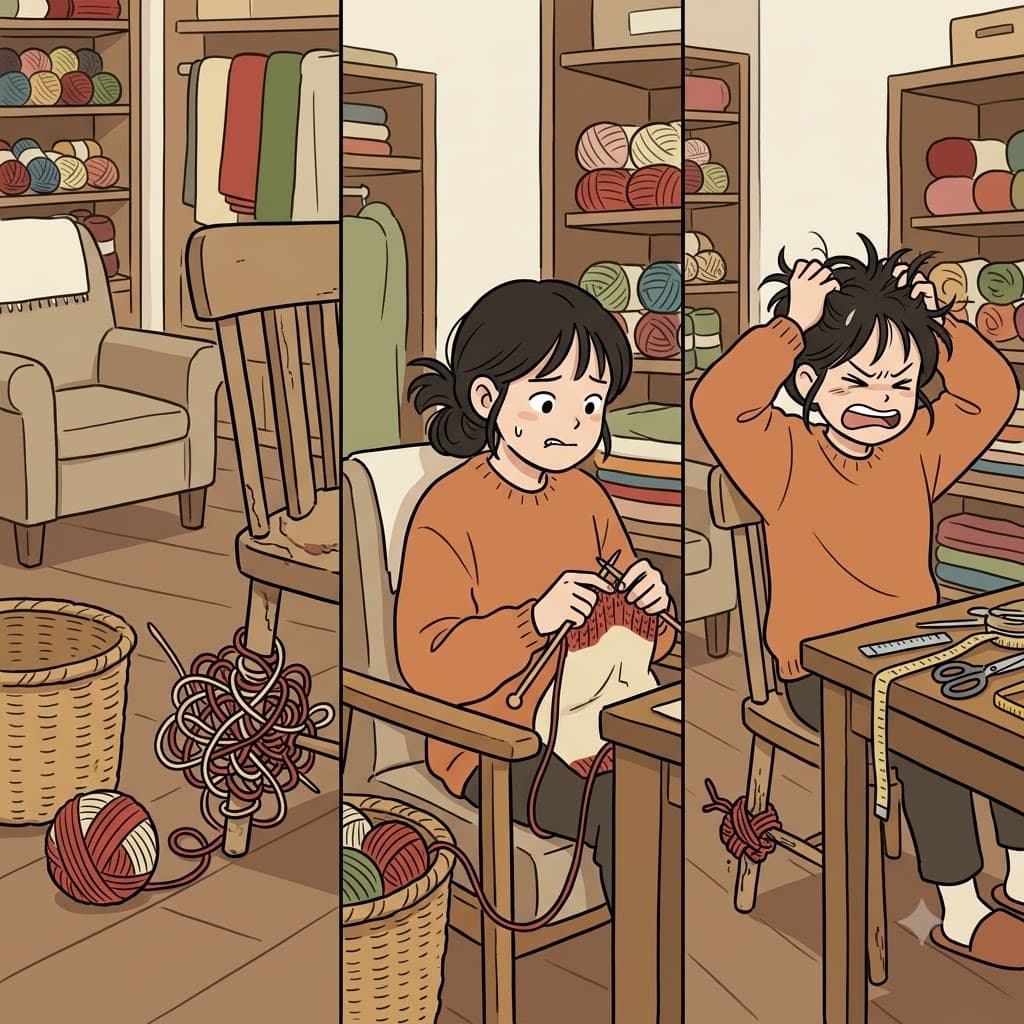
The complicated knot made her hesitate, and every failed attempt added to her frustration.
Got the picture? Now let's practice.
🎤Pronunciation
🌳Etymology
Origin
From Latin 'frustrari' meaning 'to deceive, disappoint, or make vain,' which may derive from 'frustra' meaning 'in vain' or 'uselessly.' The word entered English through Old French.
Breakdown
frustr- (Latin root meaning 'to disappoint, thwart') + -ation (suffix forming nouns from verbs) = frustration
🎵Rhyme
🔗Collocations
📝Examples
“His frustration reached its peak when his phone died right before an important call.”
“The cat's frustration was obvious when it couldn't catch the red laser dot.”
“Students often experience frustration when learning a new language.”
“My frustration with assembly instructions led me to build a bookshelf that looks suspiciously like modern art.”
📚Related Words
Want to master 27,000+ words?
Sign up free for flashcards & quizzes.