cession — the formal giving up of rights, property, or territory by a state
Part of speech: NOUN
Definition: the formal giving up of rights, property, or territory by a state
Pronunciation (IPA): /ˈseʃən/
Example Sentences
- The CEO's cession of power to his daughter surprised everyone at the board meeting.
- After losing the war, the country had no choice but to accept the cession of its northern provinces.
- The pizza shop owner's cession of the last slice to his hungry customer was an act of pure kindness.
cession
NOUN[/ˈseʃən/]
the formal giving up of rights, property, or territory by a state
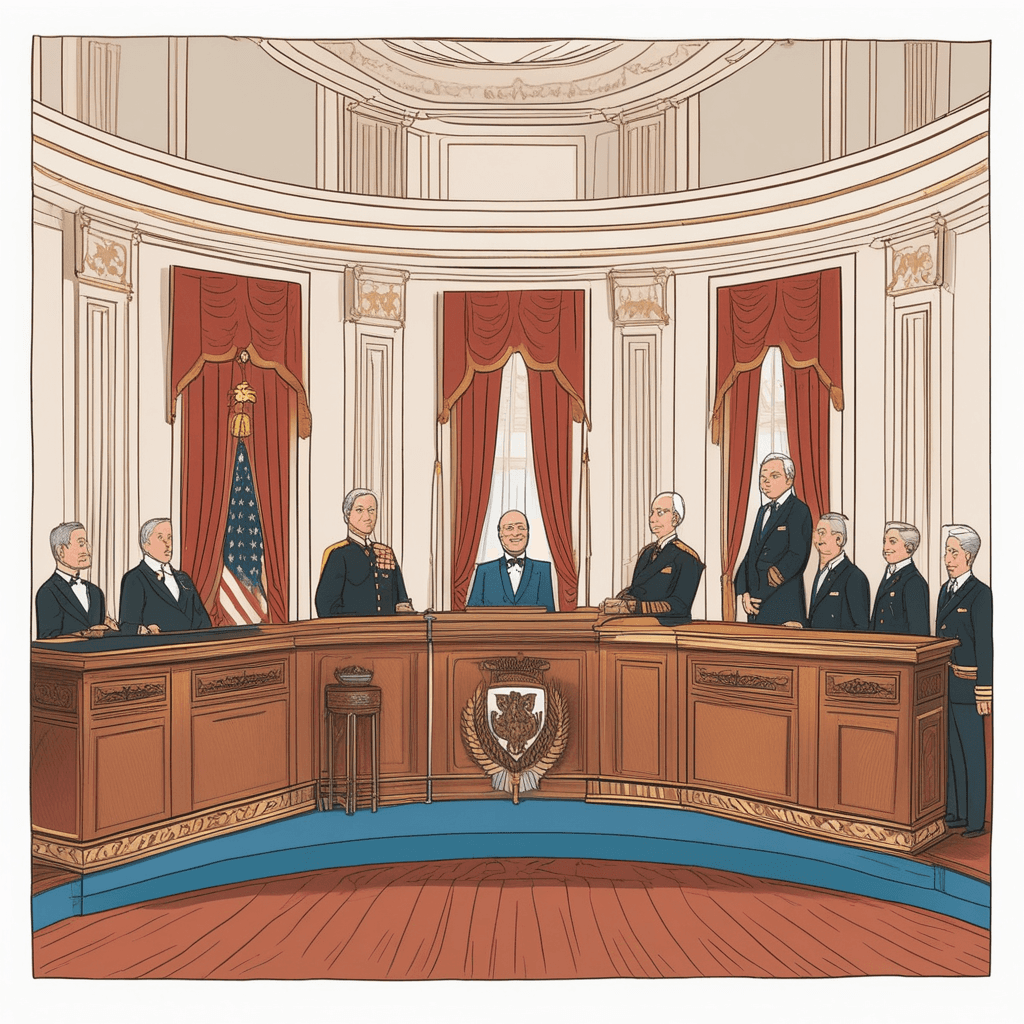
a dignified government official in formal attire places an ornate pen on an important treaty document spread across a mahogany table. The official steps back with a solemn expression as another leader approaches the same document. The second official picks up the pen and begins signing while the first official watches the transfer of authority. Several other formally dressed diplomats and witnesses stand nearby observing this historic moment. the formal giving up of rights, property, or territory by a state
Got the picture? Now let's practice.
🎤Pronunciation
🌳Etymology
Origin
From Latin cedere meaning 'to yield' or 'to give way,' combined with the suffix -sion indicating an action or process. The word literally means 'the act of yielding or giving up,' especially territory or rights.
Breakdown
ced- (to yield/give way) + -sion (action/process suffix)
🎵Rhyme
🔗Collocations
📝Examples
“The CEO's cession of power to his daughter surprised everyone at the board meeting.”
“After losing the war, the country had no choice but to accept the cession of its northern provinces.”
“The pizza shop owner's cession of the last slice to his hungry customer was an act of pure kindness.”
“The peace treaty included the cession of several islands to end the maritime dispute.”
📚Related Words
Want to master 27,000+ words?
Sign up free for flashcards & quizzes.