first-hand — obtained directly from the original source or through direct experience, not through others
Part of speech: ADJECTIVE
Definition: obtained directly from the original source or through direct experience, not through others
Pronunciation (IPA): /ˈfɜːrstˌhænd/
Example Sentences
- My grandpa loves telling first-hand stories about how he once arm-wrestled a bear (we don't believe him, but it's a great story).
- I got first-hand experience of how embarrassing it is to trip in front of your crush.
- The journalist traveled to the war zone to get a first-hand report.
first-hand
ADJECTIVE[/ˈfɜːrstˌhænd/]
obtained directly from the original source or through direct experience, not through others
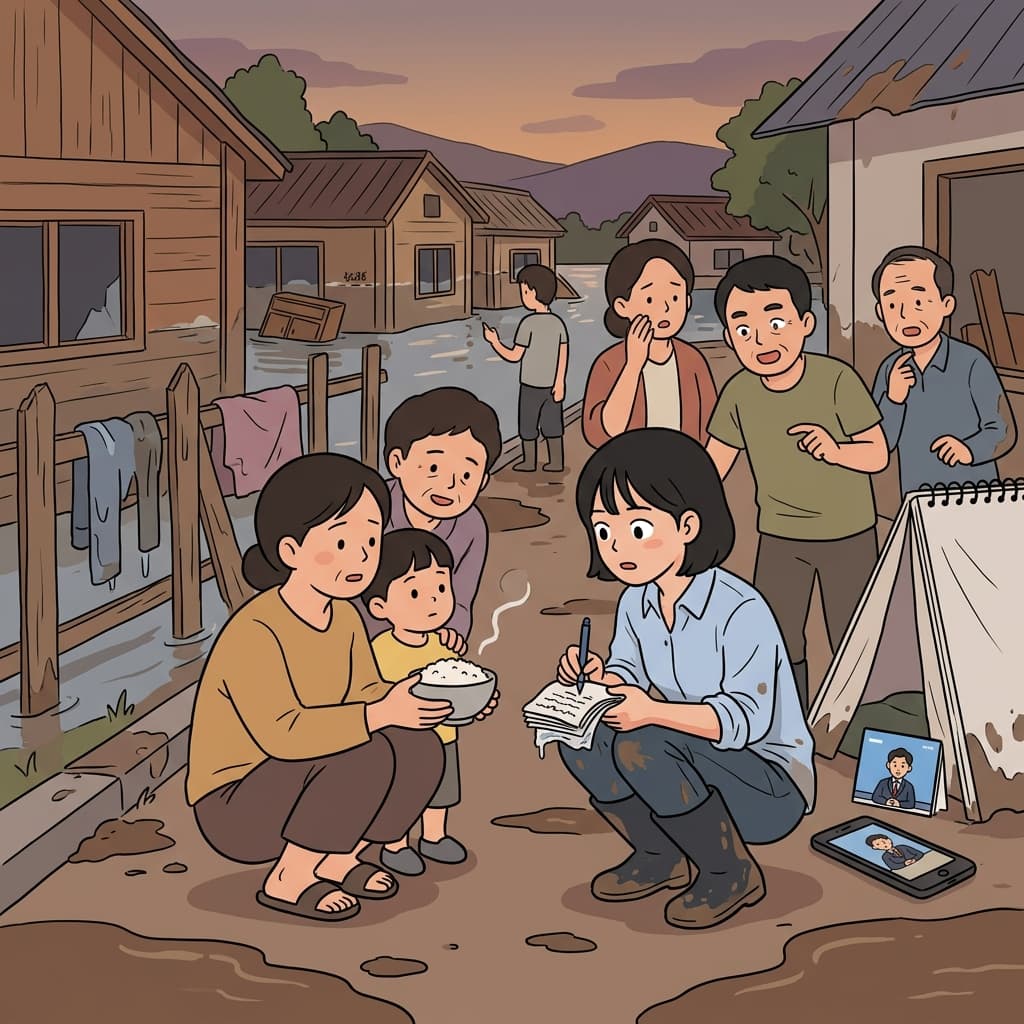
The journalist gained first-hand experience by living in the disaster zone for a week.
Got the picture? Now let's practice.
🎤Pronunciation
🌳Etymology
Origin
Originally a commercial term meaning goods received 'from the first hand' (the original source) rather than through middlemen or resellers.
Breakdown
first (원래의, 최초의) + hand (손, 출처) = 원출처에서 직접
🎵Rhyme
🔗Collocations
📝Examples
“My grandpa loves telling first-hand stories about how he once arm-wrestled a bear (we don't believe him, but it's a great story).”
“I got first-hand experience of how embarrassing it is to trip in front of your crush.”
“The journalist traveled to the war zone to get a first-hand report.”
“Reading about swimming is different from learning it first-hand.”
📚Related Words
Antonyms
Want to master 27,000+ words?
Sign up free for flashcards & quizzes.