swerve — to change direction suddenly, especially to avoid hitting something
Part of speech: VERB
Definition: to change direction suddenly, especially to avoid hitting something
Pronunciation (IPA): /swɜːrv/
Example Sentences
- My pizza delivery guy swerved so hard that my pepperoni flew off the pizza!
- The bus had to swerve when a dog suddenly ran into the street.
- She swerved her conversation away from politics when her boss approached.
swerve
VERB[/swɜːrv/]
to change direction suddenly, especially to avoid hitting something
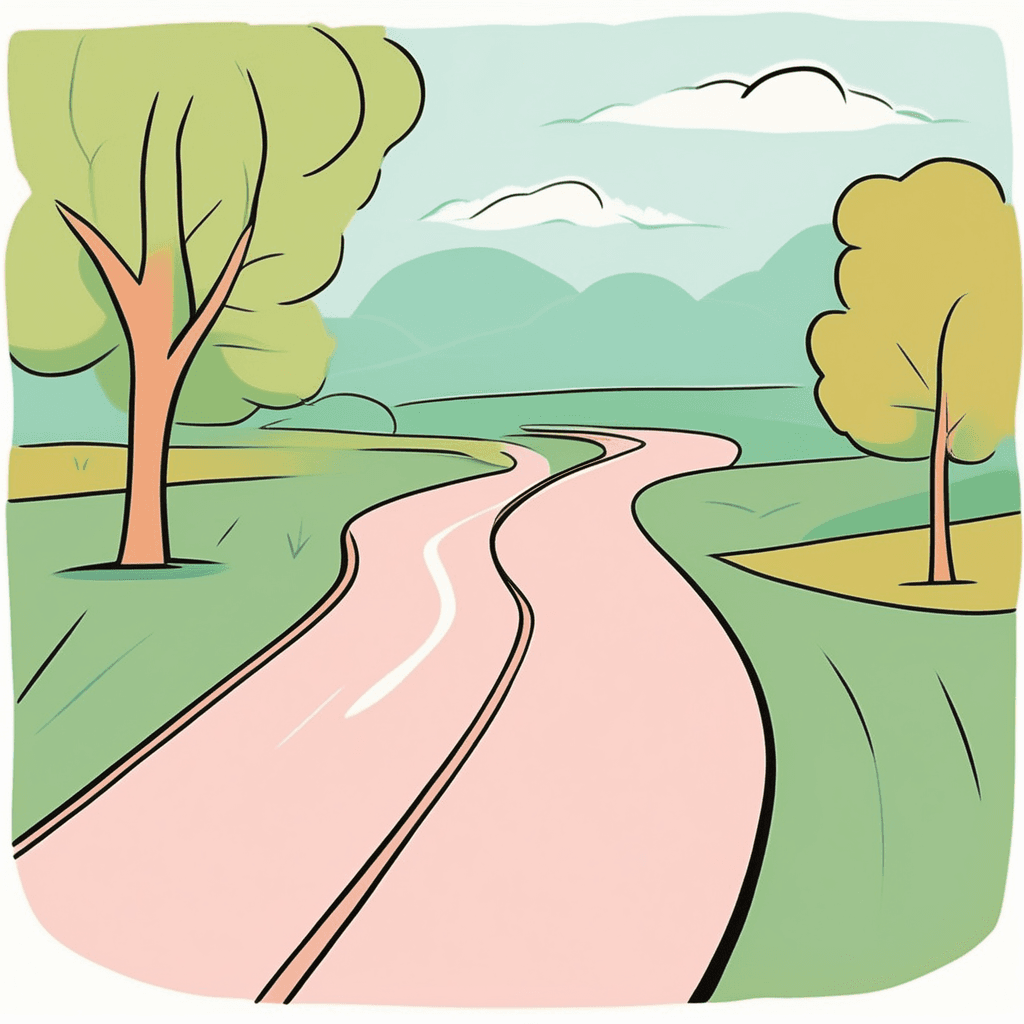
to change direction suddenly, especially to avoid hitting something
Got the picture? Now let's practice.
🎤Pronunciation
🌳Etymology
Origin
From Old English 'sweorfan' meaning to wipe, rub, or turn aside, possibly related to Proto-Germanic roots meaning to turn or twist. The word evolved to mean changing direction suddenly.
Breakdown
swerve (simple root) - no clear modern morpheme breakdown; the word is a single etymological unit from Old English 'sweorfan' meaning to turn or deviate
🎵Rhyme
🔗Collocations
📝Examples
“My pizza delivery guy swerved so hard that my pepperoni flew off the pizza!”
“The bus had to swerve when a dog suddenly ran into the street.”
“She swerved her conversation away from politics when her boss approached.”
“The cyclist swerved to miss the pothole but hit a garbage can instead.”
📚Related Words
Want to master 27,000+ words?
Sign up free for flashcards & quizzes.