displaced — forced to leave one's home, country, or position, typically because of war, disaster, or persecution
Part of speech: ADJECTIVE
Definition: forced to leave one's home, country, or position, typically because of war, disaster, or persecution
Pronunciation (IPA): /dɪsˈpleɪst/
Example Sentences
- My cat looked completely displaced when I moved the sofa two inches to the left — the betrayal in her eyes!
- War has displaced millions of people from their homes across the region.
- After the merger, several employees felt displaced, as if their desks had been secretly stolen by aliens.
displaced
ADJECTIVE[/dɪsˈpleɪst/]
forced to leave one's home, country, or position, typically because of war, disaster, or persecution
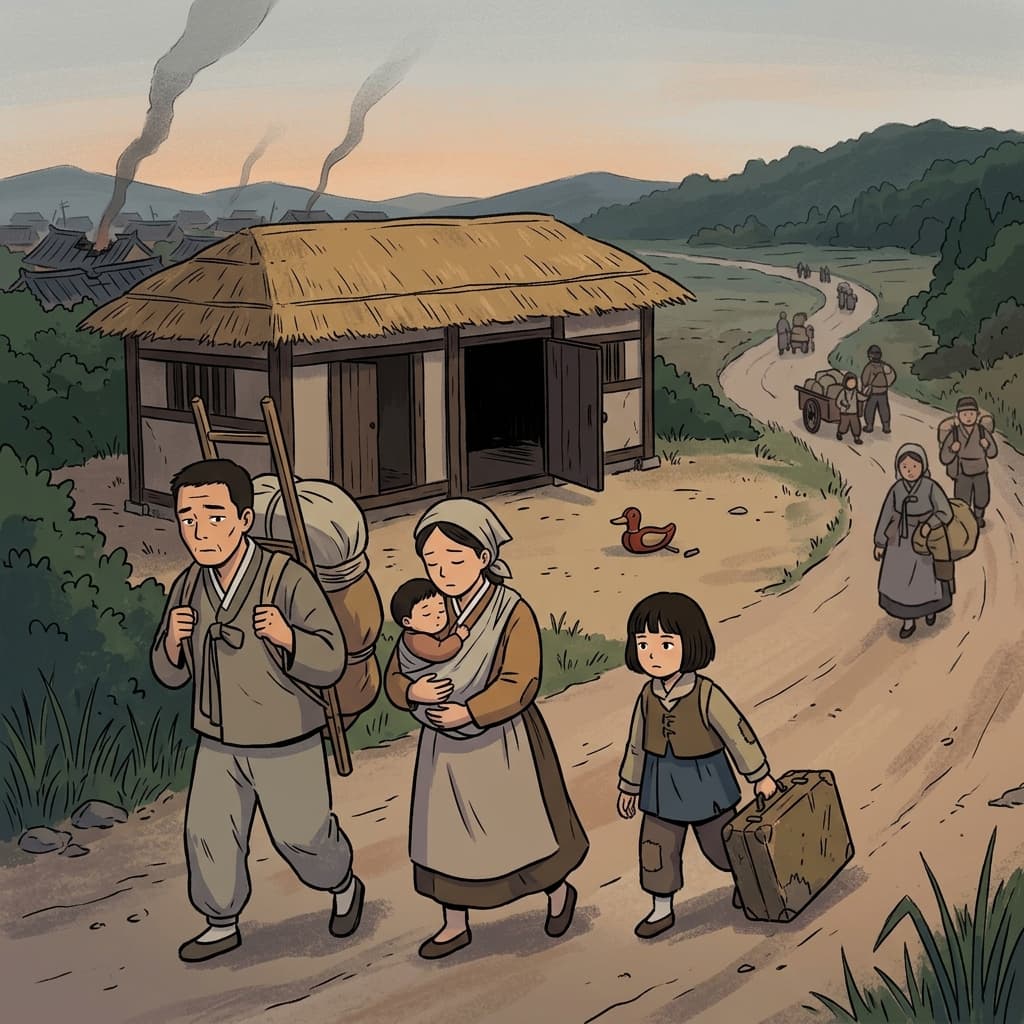
War forced the family to become displaced, carrying only what they could hold.
Got the picture? Now let's practice.
🎤Pronunciation
🌳Etymology
Origin
From Old French 'desplacer', combining Latin 'dis-' (apart) and 'placer' (to place), literally meaning 'to remove from its place'.
Breakdown
dis- (apart, away) + place (location) + -d (past participle suffix)
🎵Rhyme
🔗Collocations
📝Examples
“My cat looked completely displaced when I moved the sofa two inches to the left — the betrayal in her eyes!”
“War has displaced millions of people from their homes across the region.”
“After the merger, several employees felt displaced, as if their desks had been secretly stolen by aliens.”
“The government is building shelters for internally displaced persons affected by the earthquake.”
“I felt so displaced at the party that I started talking to the coat rack — at least it listened.”
📚Related Words
Want to master 27,000+ words?
Sign up free for flashcards & quizzes.