veer — to change direction suddenly, especially when driving or moving
Part of speech: VERB
Definition: to change direction suddenly, especially when driving or moving
Pronunciation (IPA): /vɪr/
Example Sentences
- My diet plan completely veered off track when I discovered the chocolate cake in the fridge.
- The discussion about homework veered into a heated debate about pizza toppings.
- The ship veered to avoid the iceberg, just like in Titanic but with a happy ending.
veer
VERB[/vɪr/]
to change direction suddenly, especially when driving or moving
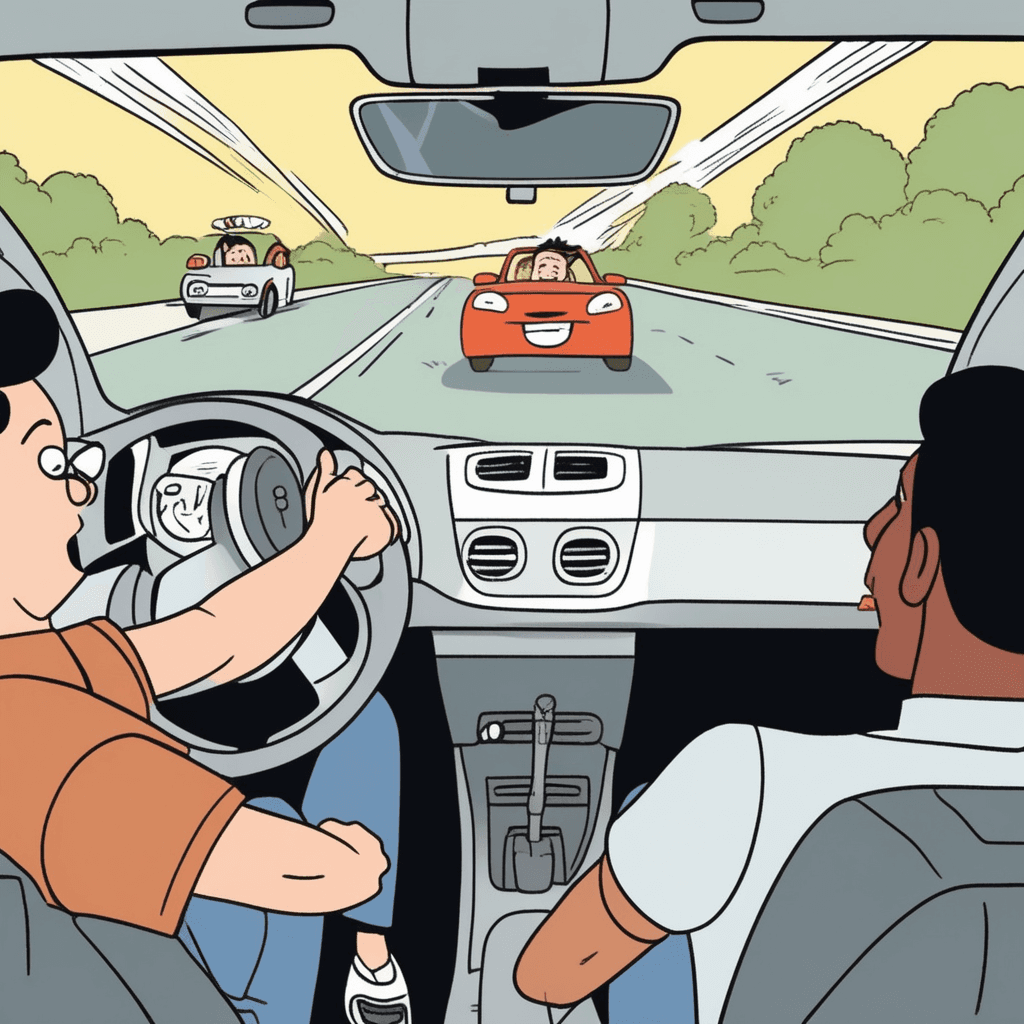
Car suddenly changes direction
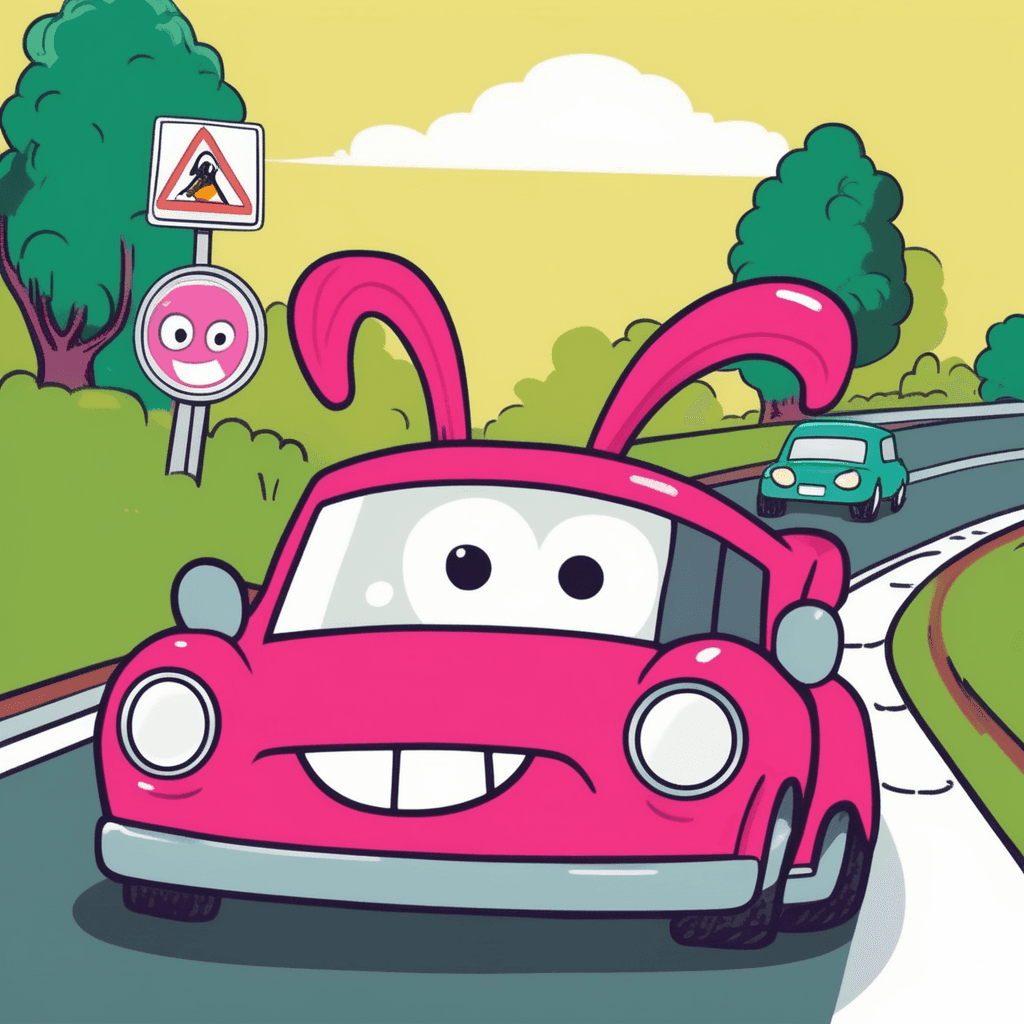
We ear-gently need to veer away from danger!

The deer will veer away from fear!
Got the picture? Now let's practice.
🎤Pronunciation
🌳Etymology
Origin
From Middle Dutch 'veren' and Old French 'virer', both meaning to turn or pivot. The word ultimately derives from Latin 'virare' (to turn), related to the concept of circular motion.
Breakdown
Simple root word with no productive morphemes: 'veer' (to turn) - cannot be further decomposed into recognizable English morpheme components
🎵Rhyme
🔗Collocations
📝Examples
“My diet plan completely veered off track when I discovered the chocolate cake in the fridge.”
“The discussion about homework veered into a heated debate about pizza toppings.”
“The ship veered to avoid the iceberg, just like in Titanic but with a happy ending.”
“The company's strategy veered toward digital marketing after the pandemic.”
📚Related Words
Want to master 27,000+ words?
Sign up free for flashcards & quizzes.