disappointed — sad or displeased because someone or something has failed to fulfill one's hopes or expectations
Part of speech: ADJECTIVE
Definition: sad or displeased because someone or something has failed to fulfill one's hopes or expectations
Pronunciation (IPA): /ˌdɪsəˈpɔɪntɪd/
Example Sentences
- I was so disappointed when I found out my idol's concert was actually lip-syncing.
- He looked disappointed when his pizza arrived with pineapple instead of pepperoni.
- The students were disappointed by the exam results.
disappointed
ADJECTIVE[/ˌdɪsəˈpɔɪntɪd/]
sad or displeased because someone or something has failed to fulfill one's hopes or expectations
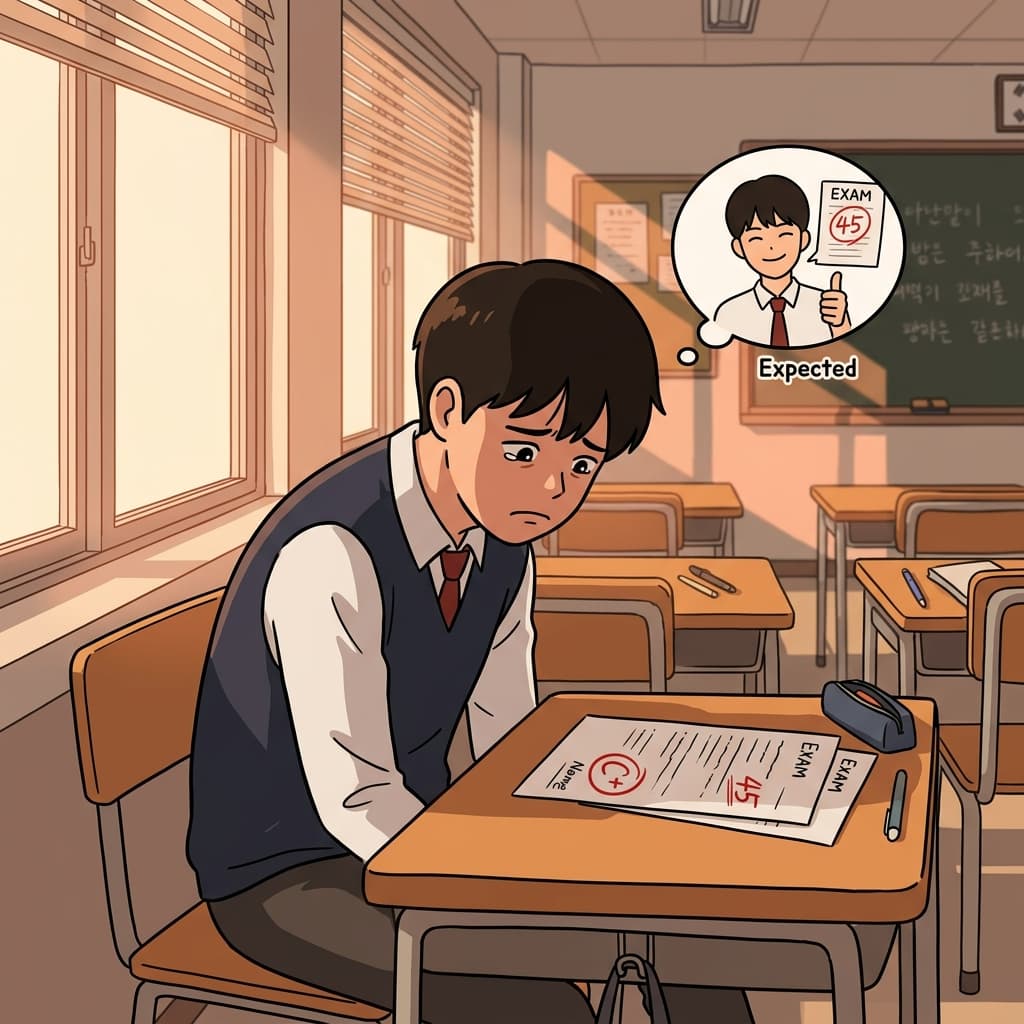
He felt disappointed when his exam score was much lower than expected.
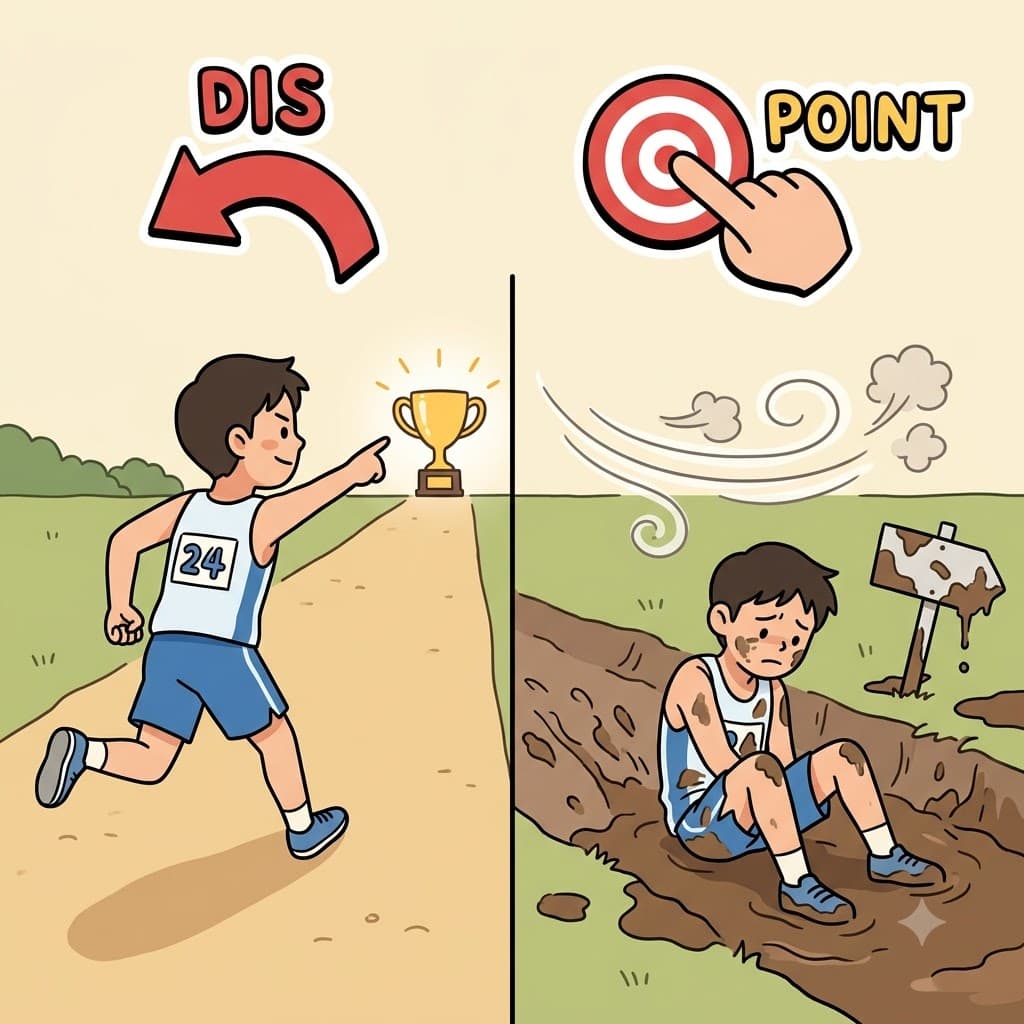
DIS (away) + POINT (expectation) — by having his high expectation pointed DIS (away) from his dream, the boy felt disappointed.

Hoping they would appoint him to lead the team at that crucial point, he instead felt deeply disappointed when they chose someone else.
Got the picture? Now let's practice.
🎤Pronunciation
🌳Etymology
Origin
The word derives from 15th-century French 'desappointer', combining the prefix 'des-' (removal) with 'appointer' (to appoint or assign). Originally meaning 'to remove from an appointment or position', it evolved to signify 'to fail to fulfill expectations' by the 16th century.
Breakdown
dis- (opposite, reversal) + appoint (to assign, to fix or arrange) + -ed (past participle). The morphology reflects the sense of reversing or undoing an appointment, with the meaning shifted metaphorically from removal of office to the failure of expectations.
🎵Rhyme
🔗Collocations
📝Examples
“I was so disappointed when I found out my idol's concert was actually lip-syncing.”
“He looked disappointed when his pizza arrived with pineapple instead of pepperoni.”
“The students were disappointed by the exam results.”
“She was disappointed in herself for forgetting her best friend's birthday.”
📚Related Words
Want to master 27,000+ words?
Sign up free for flashcards & quizzes.