curiosity — a strong desire to know or learn something
Part of speech: NOUN
Definition: a strong desire to know or learn something
Pronunciation (IPA): /ˌkjʊriˈɑːsəti/
Example Sentences
- My curiosity about my neighbor's daily pizza deliveries finally got the better of me.
- Children's natural curiosity makes them excellent learners.
- His curiosity about cooking led him to become a professional chef.
curiosity
NOUN[/ˌkjʊriˈɑːsəti/]
a strong desire to know or learn something

While the older cat dozed lazily on the rug, the fluffy kitten tilted its head with bright curiosity at the mysterious ticking pocket watch.
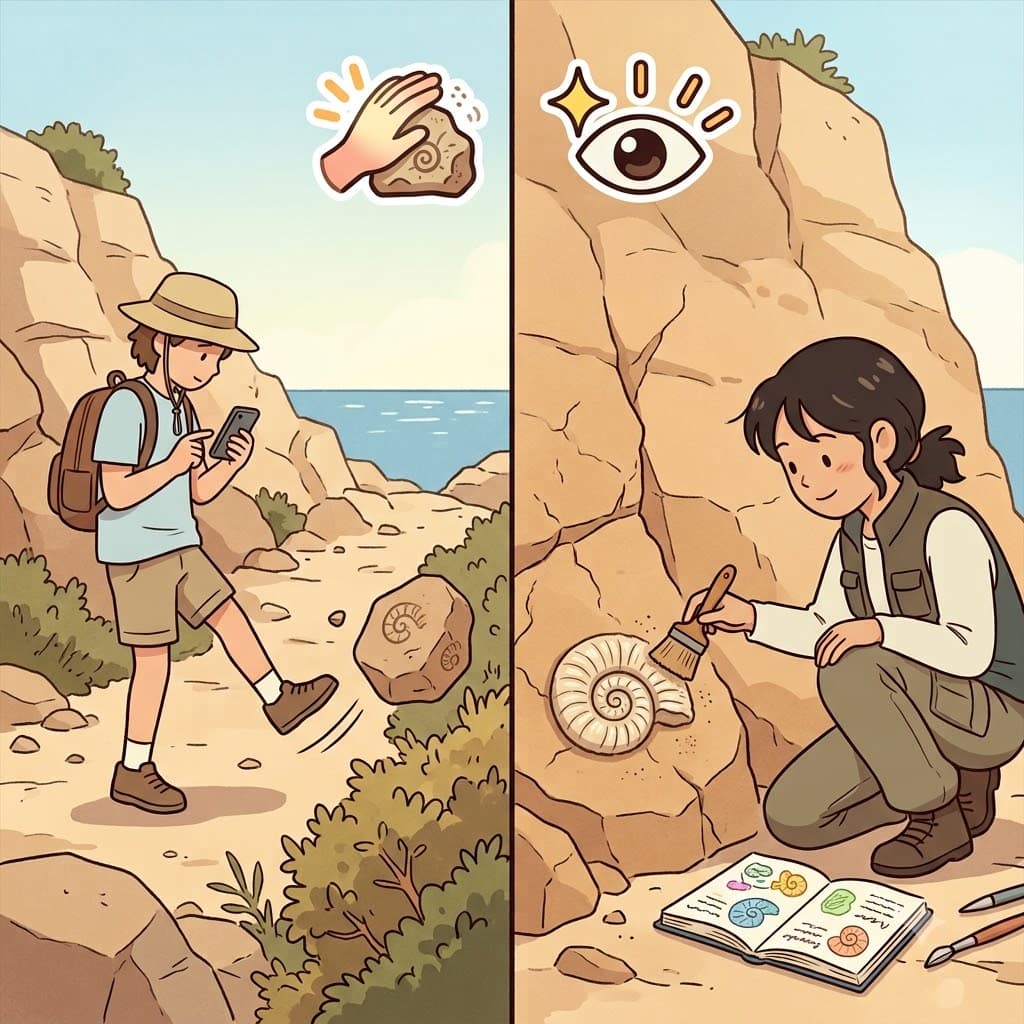
CURI (careful attention) + OSITY (state of) — by giving deep CURI (care) to every strange fossil in the rock, the young paleontologist showed intense curiosity.

Rushing through the ancient hall with youthful velocity and greeted by the librarian's warm generosity, she opened the star map in pure curiosity.
Got the picture? Now let's practice.
🎤Pronunciation
🌳Etymology
Origin
Curiosity derives from Old French curiosité, which evolved from the Latin root cura, meaning 'care' or 'concern.' The term originally referred to a careful, attentive disposition before developing its modern sense of an eager desire to know or learn something.
Breakdown
cura (Latin: care, concern) + -osus (Latin: full of, prone to) + -ity (suffix forming abstract nouns). The morpheme progression evolved through Old French -osité before becoming -osity in English.
🎵Rhyme
🔗Collocations
📝Examples
“My curiosity about my neighbor's daily pizza deliveries finally got the better of me.”
“Children's natural curiosity makes them excellent learners.”
“His curiosity about cooking led him to become a professional chef.”
“The museum displayed various curiosities from the Victorian era.”
📚Related Words
Want to master 27,000+ words?
Sign up free for flashcards & quizzes.