have trouble with — to experience difficulty or problems with something
Part of speech: NOUN
Definition: to experience difficulty or problems with something
Pronunciation (IPA): /hæv ˈtrʌbl wɪð/
Example Sentences
- My grandmother has trouble with smartphones - she keeps calling people by accident when trying to take selfies.
- Students often have trouble with irregular verbs in English.
- I have trouble with my neighbor's cat - it keeps stealing my newspaper and hiding it under the porch.
have trouble with
NOUN[/hæv ˈtrʌbl wɪð/]
to experience difficulty or problems with something
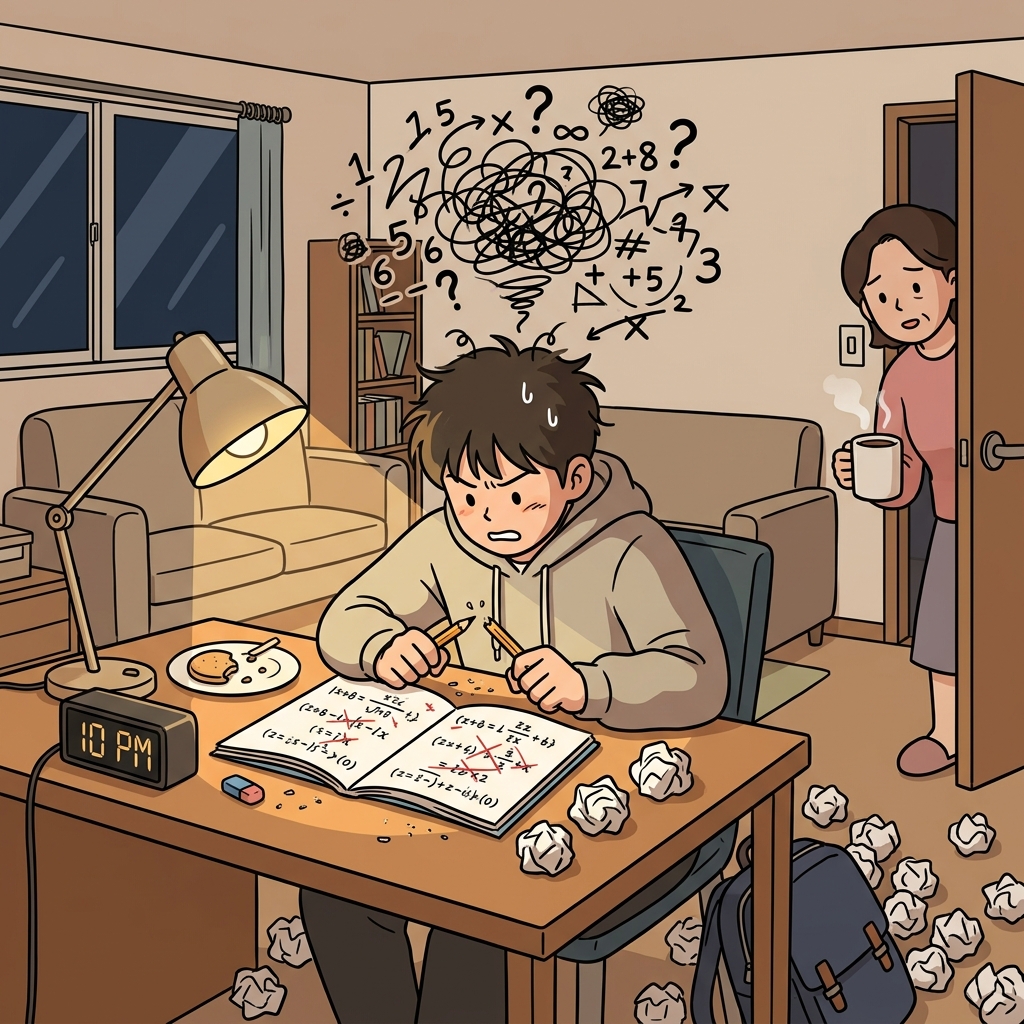
💡 Concept
Kids always have trouble with math homework on Sunday nights.

🎵 Rhyme
Have trouble with bubbles that double your troubles!
Got the picture? Now let's practice.
🎤Pronunciation
🇺🇸 US/hæv ˈtrʌbl wɪð/
🇬🇧 UK/hæv ˈtrʌbl wɪð/
🌳Etymology
🎵Rhyme
bubbledoublestubble
bubble
double
stubble
🔗Collocations
have trouble sleeping
have trouble understanding
have trouble with technology
have serious trouble
have no trouble at all
have trouble breathing
📝Examples
😄 Fun example
“My grandmother has trouble with smartphones - she keeps calling people by accident when trying to take selfies.”
“Students often have trouble with irregular verbs in English.”
😄 Fun example
“I have trouble with my neighbor's cat - it keeps stealing my newspaper and hiding it under the porch.”
“Many people have trouble with public speaking due to anxiety.”
📚Related Words
Synonyms
have difficulty withstruggle withhave problems withfind challenging
Antonyms
have no problem withexcel atbe good at
Related
difficultyproblemchallengeobstacleissue
Want to master 19,000+ words?
Sign up free for flashcards & quizzes.