abhorrence — a feeling of revulsion; disgusted loathing
Part of speech: NOUN
Definition: a feeling of revulsion; disgusted loathing
Pronunciation (IPA): /əbˈhɔːrəns/
Example Sentences
- My grandmother has a complete abhorrence of social media - she thinks it's the devil's invention.
- His abhorrence of vegetables is so extreme that he once fainted at a salad bar.
- The politician's abhorrence of corruption was evident in her reform policies.
abhorrence
NOUN[/əbˈhɔːrəns/]
a feeling of revulsion; disgusted loathing
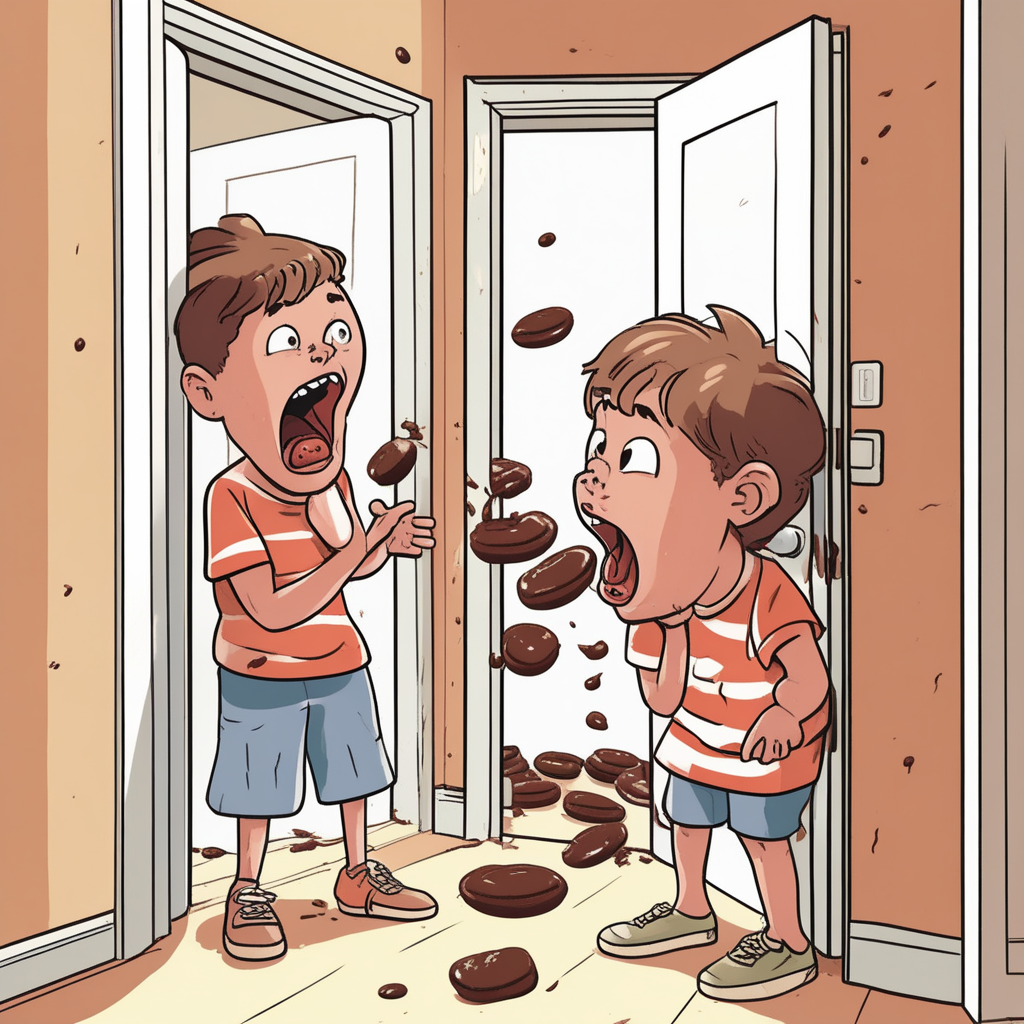
Complete disgust and revulsion
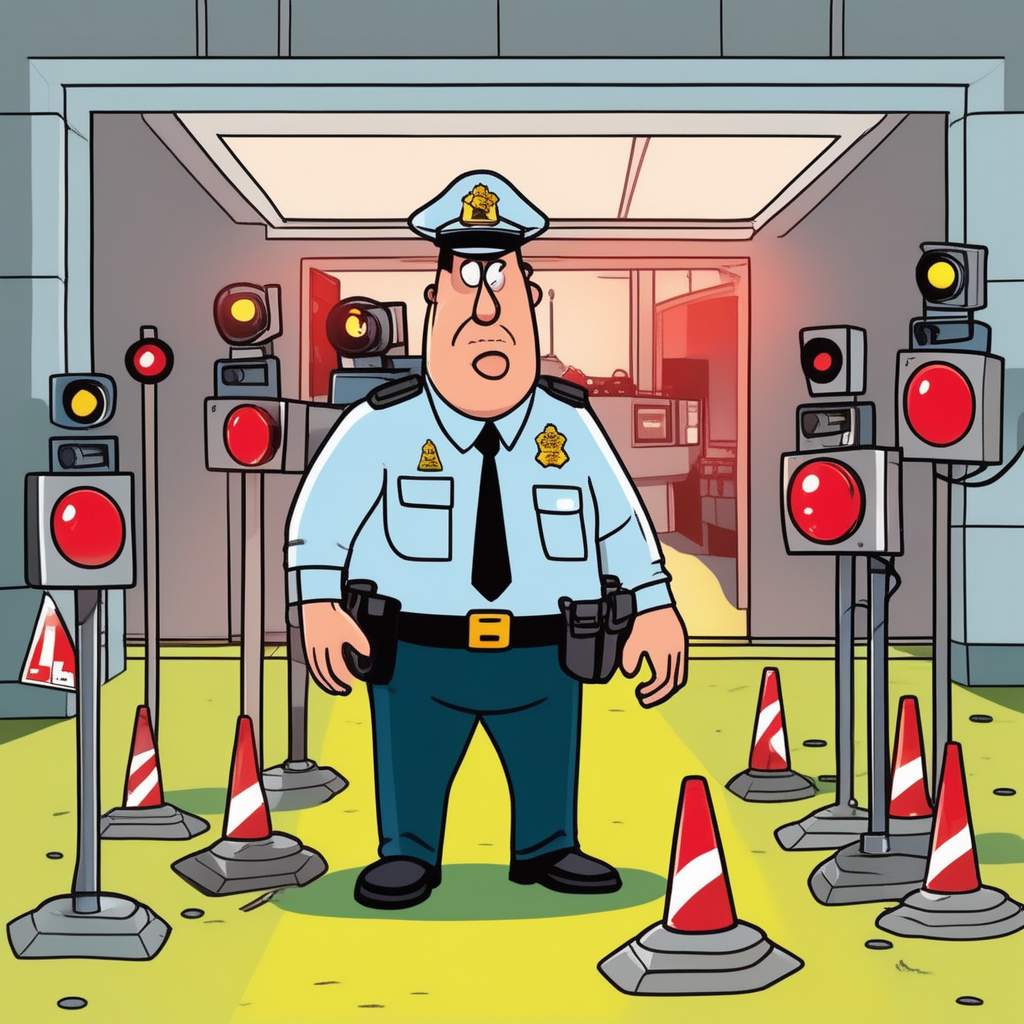
Strong deterrence prevents abhorrence from any reoccurrence.
Got the picture? Now let's practice.
🎤Pronunciation
🌳Etymology
Origin
The word derives from Latin abhorrere, formed from ab- (away) and horrere (to shudder or bristle). The original sense expressed physical recoil or shuddering away from something fearful, as if one's body instinctively recoils from a horrifying sight.
Breakdown
ab- (away, off) + horrere (to shudder, bristle, be aghast) + -ence (noun suffix). The Latin verb abhorrere literally meant to shudder away from, which evolved into the English noun abhorrence denoting intense disgust or loathing.
🎵Rhyme
🔗Collocations
📝Examples
“My grandmother has a complete abhorrence of social media - she thinks it's the devil's invention.”
“His abhorrence of vegetables is so extreme that he once fainted at a salad bar.”
“The politician's abhorrence of corruption was evident in her reform policies.”
“Despite his abhorrence of public speaking, he delivered an excellent presentation.”
📚Related Words
Synonyms
Antonyms
Related
Want to master 19,000+ words?
Sign up free for flashcards & quizzes.