grossly — In a very obvious and unacceptable way; extremely or excessively, often used to emphasize the severity of something negative.
Part of speech: ADVERB
Definition: In a very obvious and unacceptable way; extremely or excessively, often used to emphasize the severity of something negative.
Pronunciation (IPA): /ˈɡroʊsli/
Example Sentences
- My phone bill was grossly overpriced - they charged me for international calls to my own kitchen!
- The weather forecast was grossly inaccurate - they predicted sunshine but we got a hurricane.
- He was grossly unprepared for the exam, having studied only the title page of his textbook.
grossly
ADVERB[/ˈɡroʊsli/]
In a very obvious and unacceptable way; extremely or excessively, often used to emphasize the severity of something negative.
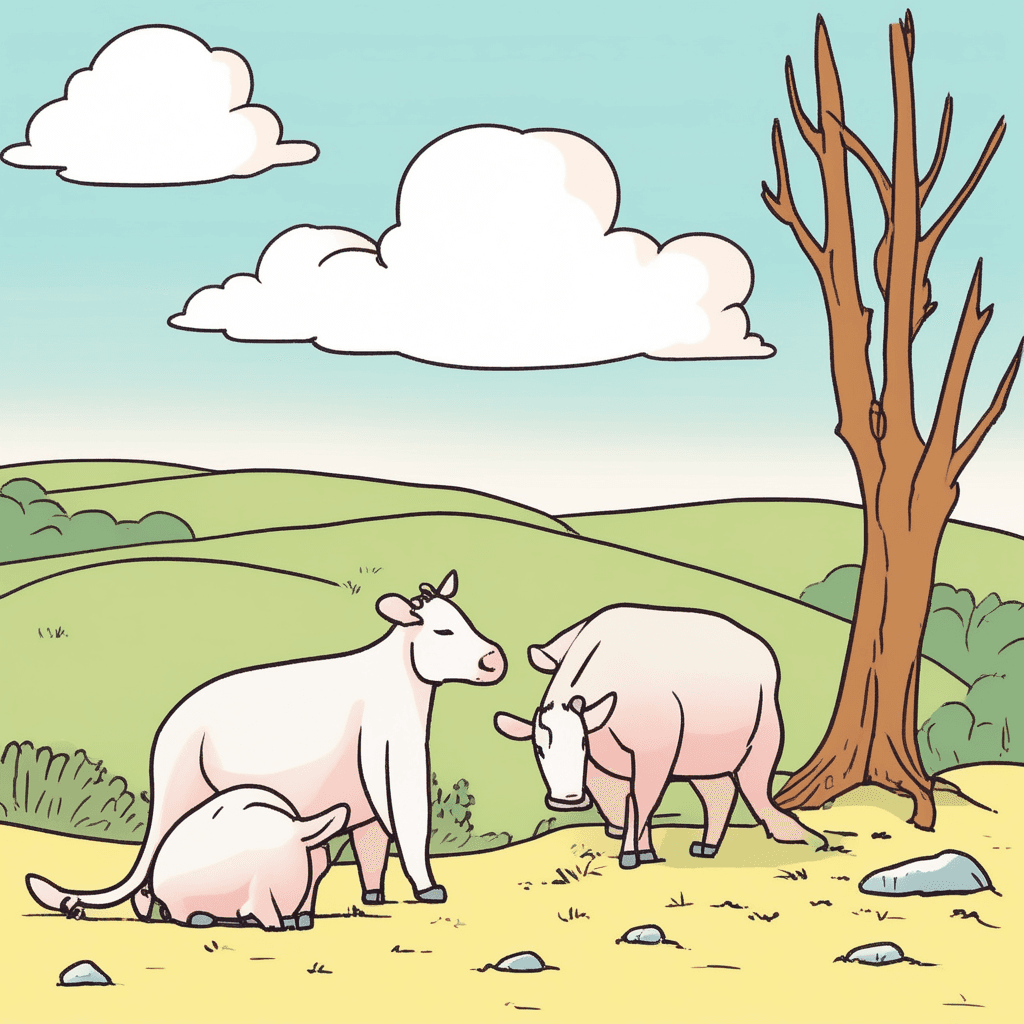
In a very obvious and unacceptable way; extremely or excessively, often used to emphasize the severity of something negative.
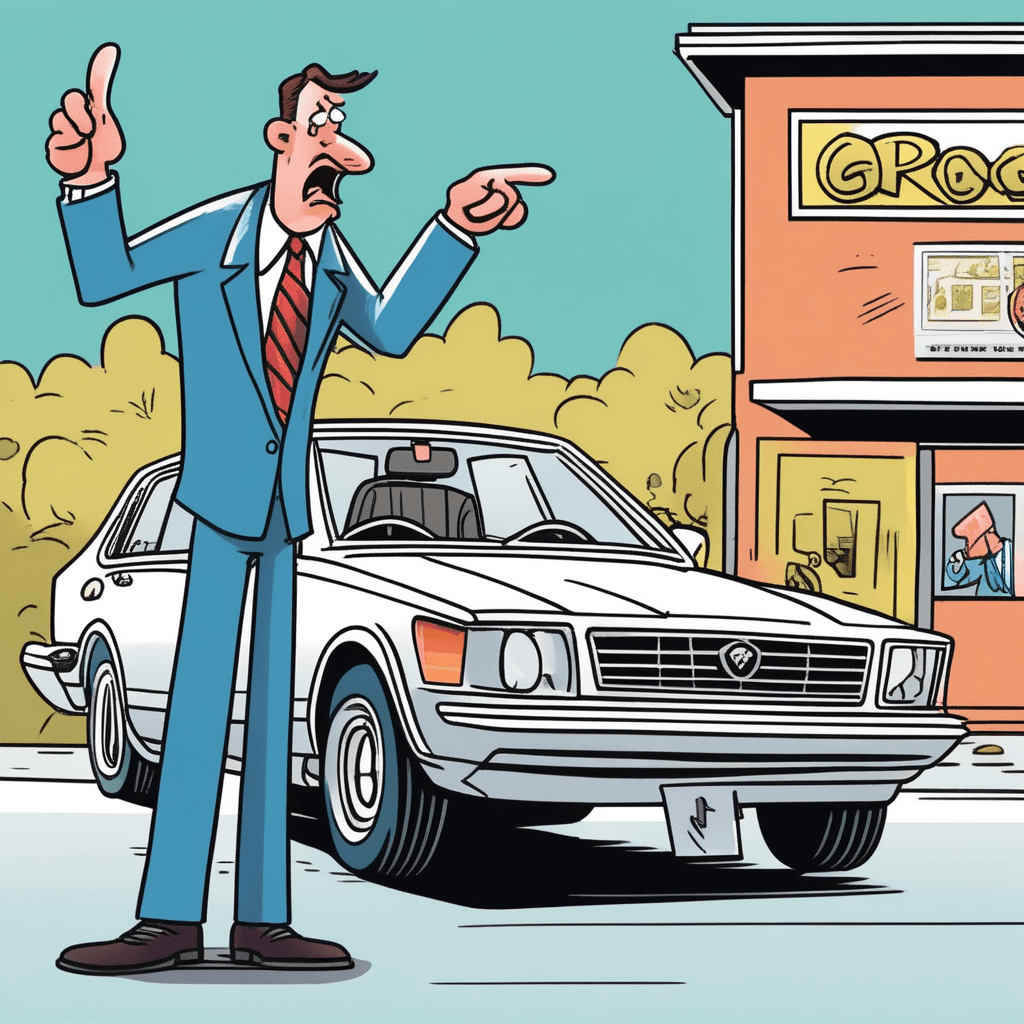
This car is grossly overpriced - mostly costly mistakes ahead!
Got the picture? Now let's practice.
🎤Pronunciation
🌳Etymology
Origin
From Latin 'grossus' meaning thick or coarse. Originally meant 'as a whole' in medieval times, but evolved to mean 'extremely' or 'obviously' in modern usage.
Breakdown
gross (thick/coarse) + -ly (adverb suffix meaning 'in a manner of')
🎵Rhyme
📝Examples
“My phone bill was grossly overpriced - they charged me for international calls to my own kitchen!”
“The weather forecast was grossly inaccurate - they predicted sunshine but we got a hurricane.”
“He was grossly unprepared for the exam, having studied only the title page of his textbook.”
“The company's safety measures were grossly insufficient for handling hazardous materials.”
📚Related Words
Want to master 27,000+ words?
Sign up free for flashcards & quizzes.