hewn — past participle of 'hew'; shaped or cut with an axe, pick, or other tool
Part of speech: ADJECTIVE
Definition: past participle of 'hew'; shaped or cut with an axe, pick, or other tool
Pronunciation (IPA): /hjuːn/
Example Sentences
- The hewn granite steps looked like they were carved by ancient giants with really good dental insurance.
- The mountain trail was lined with hewn rock walls that had withstood centuries of weather.
- His roughly hewn table looked rustic, but mostly because he forgot to read the IKEA instructions.
hewn
ADJECTIVE[/hjuːn/]
past participle of 'hew'; shaped or cut with an axe, pick, or other tool

The mason's apprentice stares at the freshly hewn stone block, awestruck.
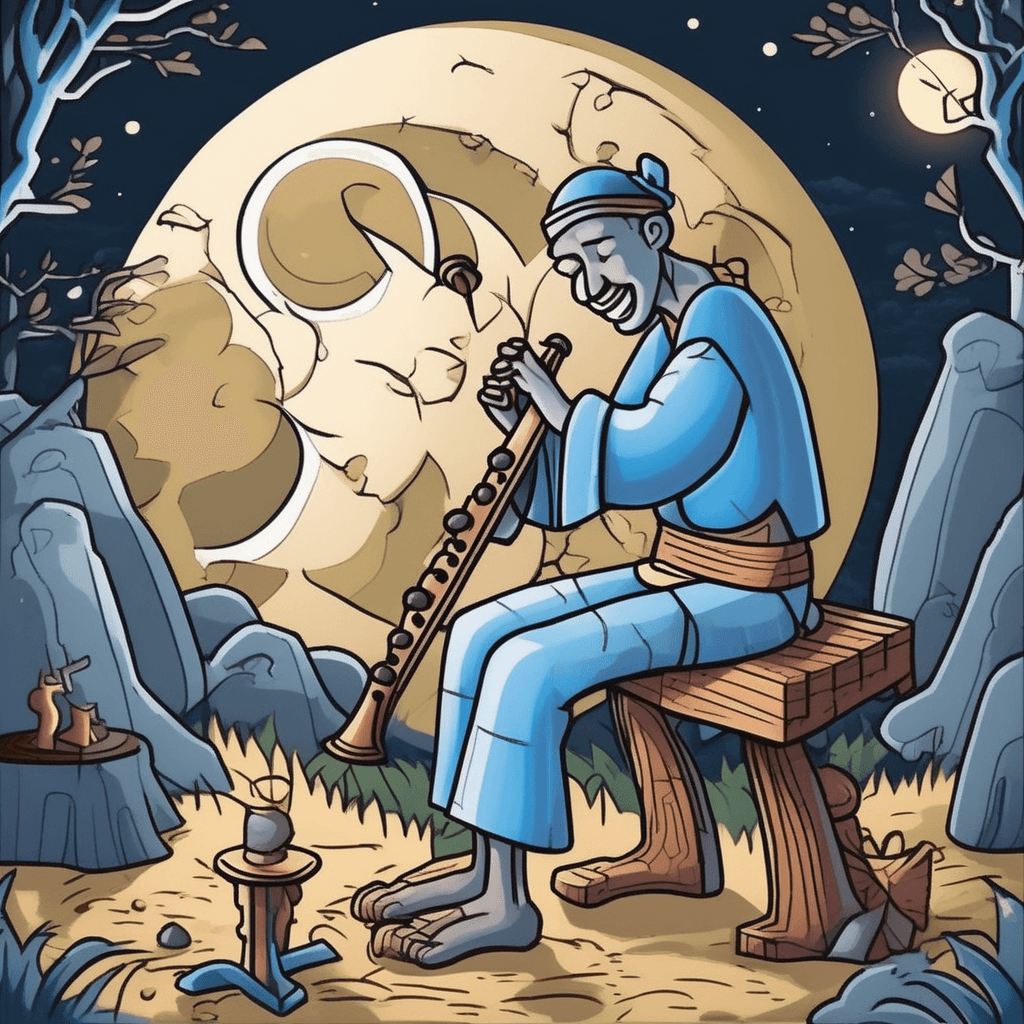
A flute hewn under the moon plays a haunting tune!
Got the picture? Now let's practice.
🎤Pronunciation
🌳Etymology
Origin
Hewn derives from Old English 'heawan', rooted in Germanic languages and ultimately from the Proto-Indo-European '*kau-' (to strike, to hit). The word originally denoted the action of cutting or carving something with a tool through striking motions.
Breakdown
hew (Old English heawan, to strike/cut) + -n (past participle suffix). The -n ending marks the word as a past participle, indicating a completed action of cutting or shaping material.
🎵Rhyme
🔗Collocations
📝Examples
“The hewn granite steps looked like they were carved by ancient giants with really good dental insurance.”
“The mountain trail was lined with hewn rock walls that had withstood centuries of weather.”
“His roughly hewn table looked rustic, but mostly because he forgot to read the IKEA instructions.”
📚Related Words
Want to master 27,000+ words?
Sign up free for flashcards & quizzes.