dormancy — a state of inactivity or reduced activity, especially in biological organisms during unfavorable conditions
Part of speech: NOUN
Definition: a state of inactivity or reduced activity, especially in biological organisms during unfavorable conditions
Pronunciation (IPA): /ˈdɔːrmənsɪ/
Example Sentences
- My laptop went into dormancy after I forgot to use it for three months - it probably dreams of better days.
- Bears enter dormancy during winter to conserve energy when food is scarce.
- The volcano has been in dormancy for over 100 years, but scientists monitor it carefully.
dormancy
NOUN[/ˈdɔːrmənsɪ/]
a state of inactivity or reduced activity, especially in biological organisms during unfavorable conditions

The volcano remained quiet under the snow, its long period of dormancy hiding the fire beneath the crater.
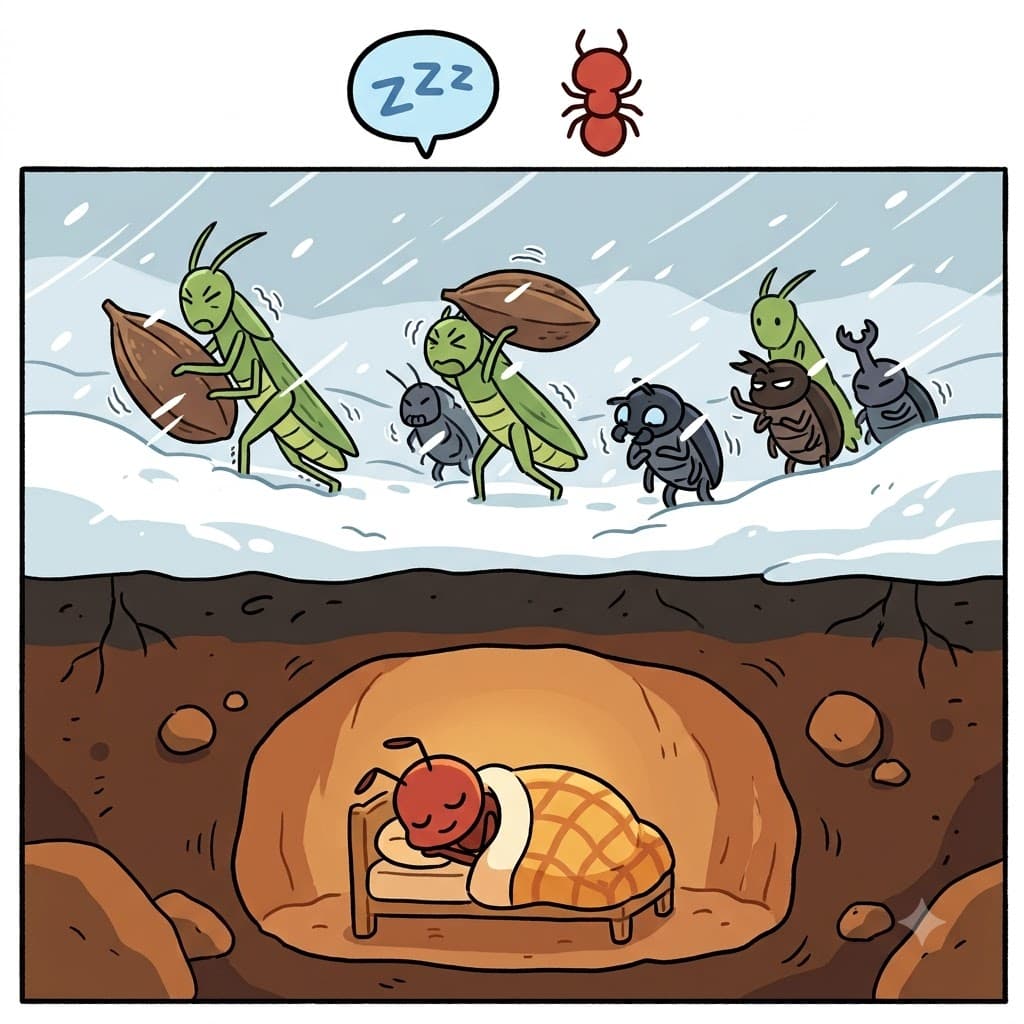
DORM(sleep) + ANCY(state) — the ANT stayed asleep in its underground DORM, entering complete dormancy.

The empty apartment contained a powered-off robot that remained in complete dormancy.
Got the picture? Now let's practice.
🎤Pronunciation
🌳Etymology
Origin
From Latin 'dormire' meaning 'to sleep,' combined with the suffix '-ancy' (indicating a state or condition). The word entered English in the 17th century to describe a state of sleep-like inactivity.
Breakdown
dorm- (sleep, from Latin dormire) + -ancy (state or condition) = dormancy
🎵Rhyme
🔗Collocations
📝Examples
“My laptop went into dormancy after I forgot to use it for three months - it probably dreams of better days.”
“Bears enter dormancy during winter to conserve energy when food is scarce.”
“The volcano has been in dormancy for over 100 years, but scientists monitor it carefully.”
“My motivation for exercise seems to enter dormancy every winter, just like hibernating animals.”
📚Related Words
Want to master 27,000+ words?
Sign up free for flashcards & quizzes.