fable — a short story, typically with animals as characters, conveying a moral lesson
Part of speech: NOUN
Definition: a short story, typically with animals as characters, conveying a moral lesson
Pronunciation (IPA): /ˈfeɪbəl/
Example Sentences
- The teacher used the fable of the tortoise and the hare to explain why slow and steady wins the race.
- My grandmother's cooking advice sounds like a fable: 'The impatient chef burns the soup, but the patient one feeds the village.'
- His success story became a modern fable about hard work and determination.
fable
NOUN[/ˈfeɪbəl/]
a short story, typically with animals as characters, conveying a moral lesson
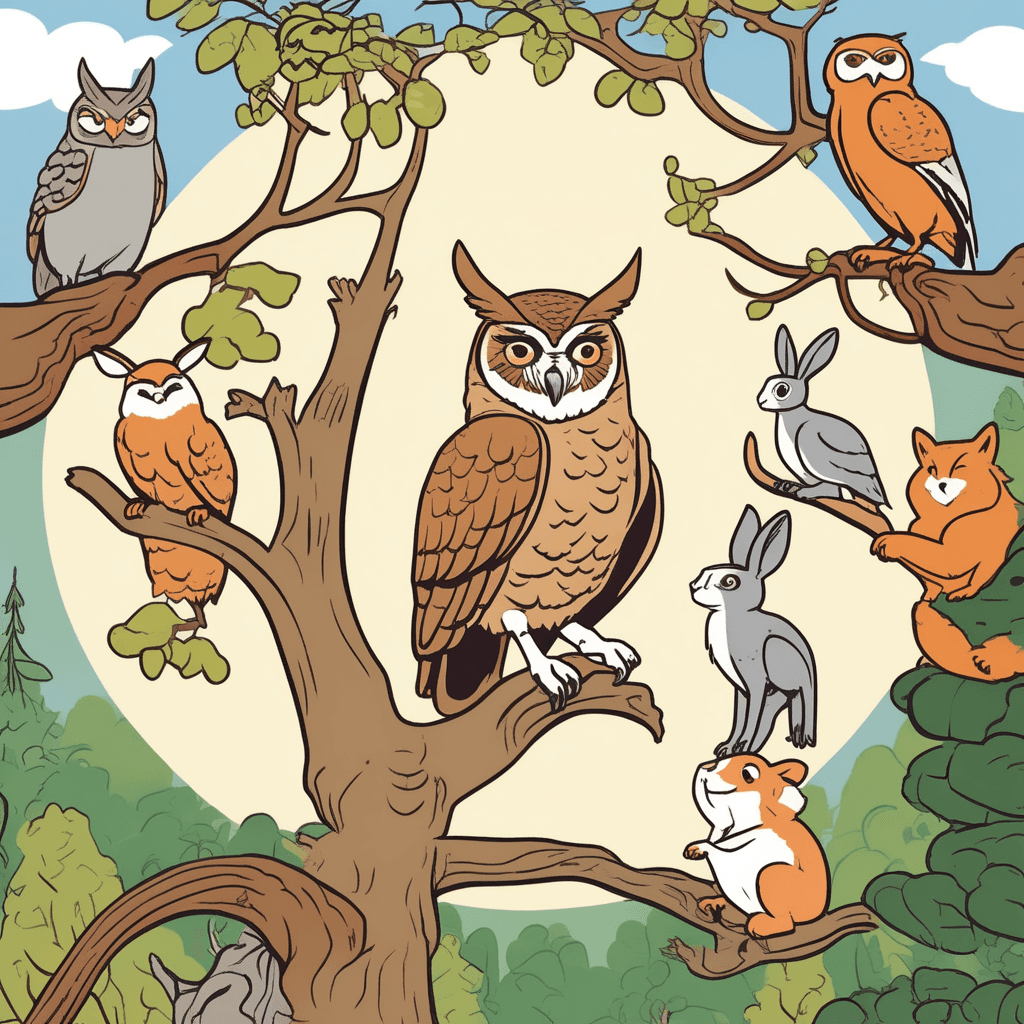
Animal story with moral lesson

A fable shared at the stable table
Got the picture? Now let's practice.
🎤Pronunciation
🌳Etymology
Origin
The word derives from Latin 'fabula', meaning 'story' or 'narrative'. This noun originates from the Latin verb 'fari', meaning 'to speak' or 'to say'. Since antiquity, fables have served as a literary tradition for conveying moral lessons through narratives featuring animals as principal characters.
Breakdown
fabula (Latin: story, narrative) + -e (diminutive/nominative suffix). The root 'fabula' itself stems from 'fari' (to speak, to say), forming an agent noun for something that is spoken or told.
🎵Rhyme
🔗Collocations
📝Examples
“The teacher used the fable of the tortoise and the hare to explain why slow and steady wins the race.”
“My grandmother's cooking advice sounds like a fable: 'The impatient chef burns the soup, but the patient one feeds the village.'”
“His success story became a modern fable about hard work and determination.”
“Reading fables to children helps them learn important values in an entertaining way.”
📚Related Words
Want to master 27,000+ words?
Sign up free for flashcards & quizzes.