imprisonment — the state of being confined in prison as punishment for a crime
Part of speech: NOUN
Definition: the state of being confined in prison as punishment for a crime
Pronunciation (IPA): /ɪmˈprɪzənmənt/
Example Sentences
- The cat burglar got three years' imprisonment, but at least the prison has good WiFi.
- Wrongful imprisonment can result in substantial compensation claims.
- He complained that marriage felt like imprisonment, until his wife heard him.
imprisonment
NOUN[/ɪmˈprɪzənmənt/]
the state of being confined in prison as punishment for a crime
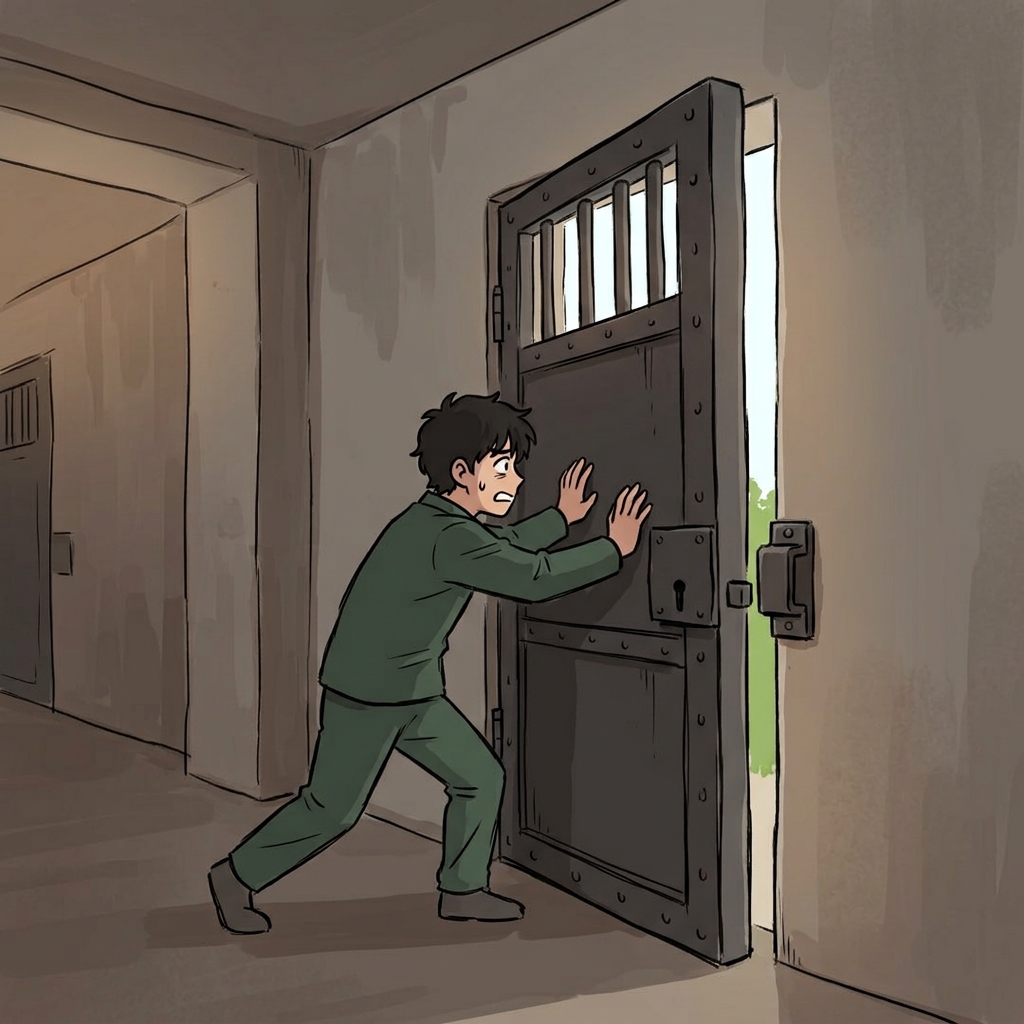
The heavy prison door slammed shut, beginning his years of imprisonment.

The imprisonment took away the prisoner's freedom for many years. (🔒 Prison + 🚫 Freedom → Imprisonment)

After entering prison, years of imprisonment made him dream of freedom.
Got the picture? Now let's practice.
🎤Pronunciation
🌳Etymology
Origin
Imprisonment derives from Middle French 'emprisoner' (to imprison), which combines Latin 'in' (in, within) and 'prehendere' (to seize, grasp). The term originally conveyed the concept of seizing and holding someone within confinement.
Breakdown
im- (in, within) + prison (from Latin 'prehendere', to seize) + -ment (noun suffix indicating state or condition). The word literally means 'the state of being held within'.
🎵Rhyme
🔗Collocations
📝Examples
“The cat burglar got three years' imprisonment, but at least the prison has good WiFi.”
“Wrongful imprisonment can result in substantial compensation claims.”
“He complained that marriage felt like imprisonment, until his wife heard him.”
“The judge reduced his imprisonment from ten to seven years for good behavior.”
📚Related Words
Synonyms
Antonyms
Related
Want to master 19,000+ words?
Sign up free for flashcards & quizzes.