impression — an idea, feeling, or opinion about someone or something, especially one formed without conscious thought or on the basis of little evidence
Part of speech: NOUN
Definition: an idea, feeling, or opinion about someone or something, especially one formed without conscious thought or on the basis of little evidence
Pronunciation (IPA): /ɪmˈpreʃən/
Example Sentences
- The job interviewer was under the impression that I could speak fluent Chinese, but I can barely order fried rice.
- His impression of a confused tourist asking for directions was so accurate it made everyone laugh.
- She made a strong impression on her first day at work by bringing homemade cookies for everyone.
impression
NOUN[/ɪmˈpreʃən/]
an idea, feeling, or opinion about someone or something, especially one formed without conscious thought or on the basis of little evidence

He made a great impression during the job interview.
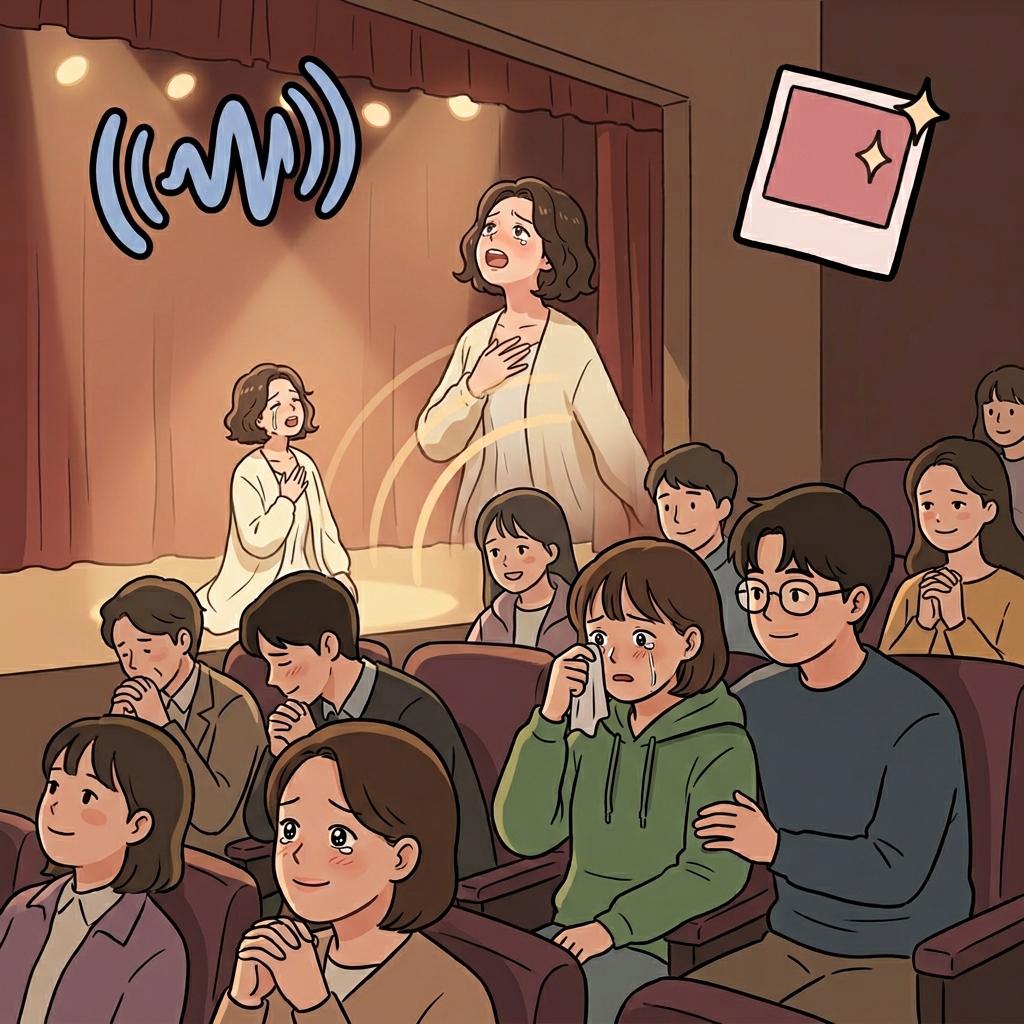
The performance left a strong impression on the audience. (IMPACT + MEMORY = IMPRESSION → impression is a memory or feeling created by impact)

Her expression created a strong impression and meaningful connection.
Got the picture? Now let's practice.
🎤Pronunciation
🌳Etymology
Origin
The word derives from the 14th-century French 'impression', which ultimately comes from the Latin 'imprimere', meaning 'to press' or 'to push into'. The sense evolved from the physical act of pressing (like stamping with a seal to leave a mark) to the metaphorical meaning of something making a deep mark on the mind.
Breakdown
im- (into) + premere (to press) + -ion (act or result of). The prefix im- conveys 'into' while the Latin root premere means 'to press', combined with the suffix -ion denoting the action or its result.
🎵Rhyme
🔗Collocations
📝Examples
“The job interviewer was under the impression that I could speak fluent Chinese, but I can barely order fried rice.”
“His impression of a confused tourist asking for directions was so accurate it made everyone laugh.”
“She made a strong impression on her first day at work by bringing homemade cookies for everyone.”
“The muddy shoes left a clear impression on the clean white carpet, much to his mother's horror.”
📚Related Words
Synonyms
Antonyms
Related
Want to master 19,000+ words?
Sign up free for flashcards & quizzes.