armistice — An agreement made by opposing sides in a war to stop fighting for a certain time; a truce
Part of speech: NOUN
Definition: An agreement made by opposing sides in a war to stop fighting for a certain time; a truce
Pronunciation (IPA): /ˈɑːrmɪstɪs/
Example Sentences
- The two rival pizza restaurants finally signed an armistice after the great cheese war of 2023.
- Korea and North Korea agreed to an armistice in 1953.
- My parents declared an armistice in their argument when grandma arrived.
armistice
NOUN[/ˈɑːrmɪstɪs/]
An agreement made by opposing sides in a war to stop fighting for a certain time; a truce

Generals from both sides sign an armistice as soldiers lower their rifles.

ARM IS strong, but TRUCE is stronger - armistice wins!
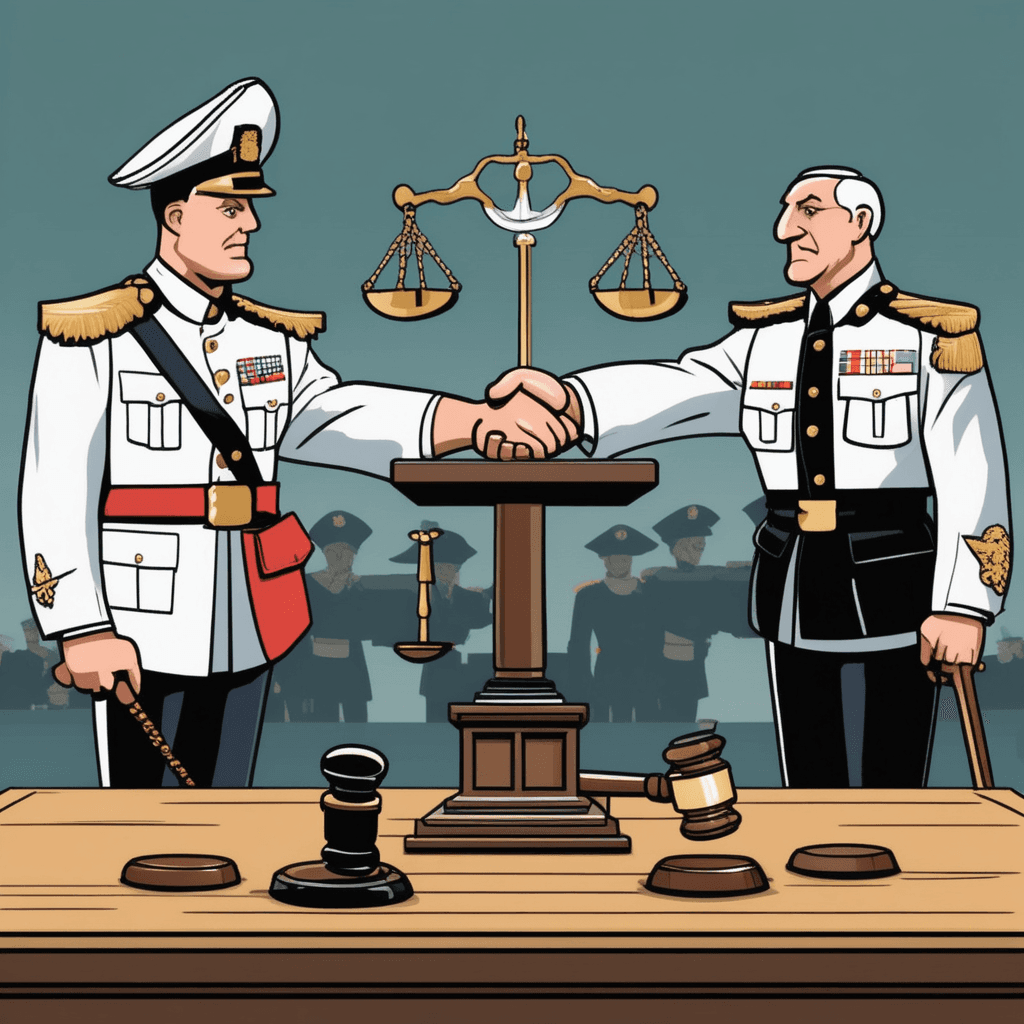
Armistice brings justice through the practice of peace!
Got the picture? Now let's practice.
🎤Pronunciation
🌳Etymology
Origin
From Latin 'armistium,' combining 'arma' (arms/weapons) and 'sistere' (to stop). This was a Medieval Latin term created to describe a cessation of hostilities in warfare.
Breakdown
arma (arms/weapons) + sistere (to stop/stand still) = armistice (a stopping of weapons/fighting)
🎵Rhyme
🔗Collocations
📝Examples
“The two rival pizza restaurants finally signed an armistice after the great cheese war of 2023.”
“Korea and North Korea agreed to an armistice in 1953.”
“My parents declared an armistice in their argument when grandma arrived.”
“The armistice brought temporary peace to the war-torn region.”
📚Related Words
Want to master 27,000+ words?
Sign up free for flashcards & quizzes.