time-span — a period of time during which something happens or is expected to happen
Part of speech: NOUN
Definition: a period of time during which something happens or is expected to happen
Pronunciation (IPA): /ˈtaɪm spæn/
Example Sentences
- My attention span and time-span for boring meetings are inversely proportional to the coffee quality.
- The dinosaurs ruled Earth for a time-span of about 165 million years.
- Students often underestimate the time-span needed to complete their assignments properly.
time-span
NOUN[/ˈtaɪm spæn/]
a period of time during which something happens or is expected to happen
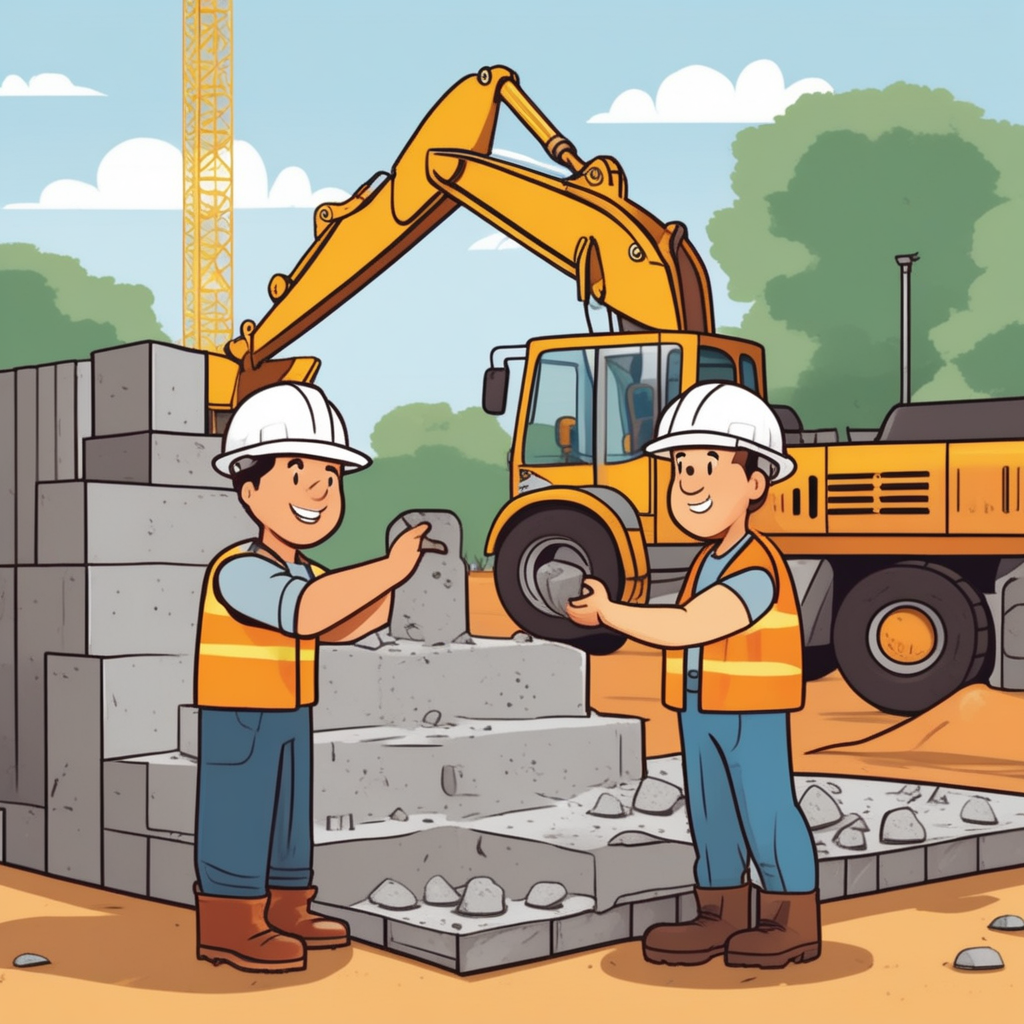
In the center of the frame, a construction foreman holds up his hand while looking at his watch as concrete is being poured. The concrete truck driver waits for the signal as wet cement flows into the foundation forms. The foreman counts down the exact timing needed for the concrete to properly set. Other workers stand ready with tools, watching the foreman track the critical curing period. a specific period of time during which the concrete work must happen according to schedule

A lifespan measured by wingspan across time-span
Got the picture? Now let's practice.
🎤Pronunciation
🌳Etymology
🎵Rhyme
🔗Collocations
📝Examples
“My attention span and time-span for boring meetings are inversely proportional to the coffee quality.”
“The dinosaurs ruled Earth for a time-span of about 165 million years.”
“Students often underestimate the time-span needed to complete their assignments properly.”
“The time-span between ordering pizza and regretting it is exactly 23 minutes.”
📚Related Words
Synonyms
Antonyms
Related
Want to master 19,000+ words?
Sign up free for flashcards & quizzes.